These five quotes for IT professionals are very important to learn and prove:
“In the world of IT, an employee’s true worth is measured by their competencies. When an IT professional collaborates with their employer, it’s the strength of their skills that drives success. Without competency, the collaboration becomes ineffective.”
“An IT professional’s journey is defined by their competencies. When they align their skills with their employer’s vision, they create a powerful synergy. Without that alignment, both the employee and the employer miss out on potential growth.”
“In IT, expertise is the currency of collaboration. An employee who leverages their competencies can transform their employer’s business, while a lack of skill renders the partnership unproductive. Competency is the key to mutual success.”
“For IT professionals, the intersection of personal expertise and organizational goals is where innovation thrives. When competencies align, both the employee and employer can achieve remarkable outcomes. Without that connection, progress stagnates.”
“In the IT landscape, an employee’s competency is the cornerstone of value creation. When professionals engage with their employers through the lens of their skills, they pave the way for growth and innovation. Without competency, the partnership lacks direction.
Reviving Your Tech Career: A Proactive Approach to Bridging the AI Skills Gap
In the bustling city of Techville, where skyscrapers gleamed with digital billboards and coffee shops buzzed with discussions of algorithms and innovations, lived Maya, a seasoned software developer. After spending a decade mastering coding languages and leading projects, she found herself feeling increasingly out of touch. The tech landscape was evolving rapidly, with AI taking center stage, and she felt like an outsider in her own field.
One crisp autumn morning, as Maya sipped her coffee, she scrolled through her social media feed. A post caught her eye: “Reviving your tech career requires a proactive approach to bridging the AI skills gap. Start your journey today!” It resonated with her, igniting a spark of determination. She realized that it was time to adapt and evolve.
Maya decided to invest in herself. She enrolled in an online AI coaching program led by an industry expert named Raj. The first session was eye-opening. Raj emphasized the importance of practical experience, stating, “Theory is essential, but hands-on projects will truly elevate your understanding.” Inspired, Maya dove into her first assignment: creating a simple AI model to predict housing prices.
As she worked on the project, Maya faced challenges that made her question her abilities. But instead of retreating, she sought help from her peers in the course’s online forum. Through collaboration, she learned the nuances of neural networks and data processing. Each obstacle became a stepping stone, and with every breakthrough, her confidence grew.
After completing the course, Maya realized that knowledge without application was like a ship without a sail. She sought opportunities to gain practical experience. She volunteered for a local non-profit that aimed to use AI for social good. They needed help developing a predictive tool to assist families in finding affordable housing. Maya jumped at the chance, applying everything she had learned.
Working alongside a diverse team, she found herself in the thick of real-world challenges. They faced issues with data integrity and model accuracy, but together they brainstormed solutions, iterated, and eventually launched a tool that made a tangible difference in their community. The project not only reignited her passion but also expanded her network, connecting her with other tech enthusiasts and professionals.
With her newfound skills and practical experience, Maya felt ready to tackle the job market. She revamped her resume, highlighting her AI projects and the impact they made. She also began sharing her journey on social media, documenting her learning process and the importance of bridging the skills gap in tech. Her posts resonated with many, and soon she was invited to speak at local tech meetups about her experiences.
One evening, while preparing for a presentation, Maya received an unexpected message from a recruiter. They had seen her online presence and were interested in her for a role at a leading AI firm. Excitement surged through her as she prepared for the interview, reflecting on how far she had come.
The interview day arrived, and Maya felt a mix of nerves and exhilaration. She spoke passionately about her journey, her hands-on experience, and her commitment to continuous learning. The interviewers were impressed, not just by her technical skills but by her proactive approach to growth.
Days later, she received the call she had been waiting for. “Congratulations, Maya! We’d like to offer you the position,” the recruiter said. Tears of joy filled her eyes as she realized that her decision to invest in herself had paid off.
As Maya stepped into her new role, she felt a sense of fulfillment. She was no longer just a software developer; she was a part of the future of technology, contributing to projects that harnessed the power of AI for good. She continued her journey of learning, mentoring others, and advocating for the importance of bridging the skills gap in tech.
In Techville, where the digital skyline continued to evolve, Maya became a beacon of inspiration, proving that with a proactive approach, anyone could revive their tech career and thrive in the ever-changing landscape. Start your journey today, just as she did, and watch the possibilities unfold.
In the age of digital communication, social media has become a critical platform for individuals and businesses alike to express opinions, share experiences, and interact with others. With millions of posts, comments, and tweets generated every minute, understanding the sentiments behind these communications can provide invaluable insights. This is where sentiment analysis comes into play, offering a systematic approach to gauge public opinion and monitor brand reputation in real-time.
What is Sentiment Analysis?
Sentiment analysis, also known as opinion mining, is a form of natural language processing (NLP) that involves the use of algorithms to determine the emotional tone behind a series of words. It categorizes sentiments into positive, negative, or neutral classes, allowing organizations to quantify subjective information. This technique enables businesses to analyze customer feedback, social media interactions, and other forms of textual data to derive actionable insights.
Key Components of Sentiment Analysis
Data Collection: The first step involves gathering data from social media platforms like Twitter, Facebook, Instagram, and LinkedIn. This data can be collected through APIs, web scraping, or third-party tools.
Preprocessing: Raw data often contains noise, such as irrelevant information, emojis, or HTML tags. Preprocessing includes cleaning the data, removing stop words, and normalizing text (e.g., stemming or lemmatization).
Sentiment Classification: This is the core of sentiment analysis, where the cleaned data is analyzed using various algorithms. Techniques can range from simple rule-based approaches to complex machine learning models. Common algorithms include Support Vector Machines (SVM), Naive Bayes, and deep learning methods such as recurrent neural networks (RNNs).
Visualization and Reporting: The results of the sentiment analysis are often presented in a user-friendly format, such as dashboards or reports, to help stakeholders make informed decisions.
Why is Sentiment Analysis Important for Social Media Monitoring?
Brand Reputation Management: Companies can monitor how their brand is perceived in real-time. By analyzing sentiments, they can quickly respond to negative feedback or comments, mitigating potential public relations crises.
Customer Insights: Understanding customer sentiment allows businesses to gauge satisfaction and dissatisfaction levels. This can inform product development, marketing strategies, and customer service improvements.
Competitive Analysis: Sentiment analysis can be used to monitor competitors, providing insights into their strengths and weaknesses based on public perception. This can help businesses position themselves more effectively in the market.
Trend Analysis: Businesses can identify emerging trends and shifts in consumer preferences by tracking sentiments over time. This information can guide strategic planning and product development.
Crisis Management: In times of crisis, sentiment analysis can help organizations track public reaction and sentiment, allowing for timely and appropriate responses.
Challenges in Sentiment Analysis
Despite its benefits, sentiment analysis is not without challenges:
Sarcasm and Irony: Detecting sarcasm or irony in text can be difficult, leading to misclassification of sentiments.
Contextual Understanding: Words can have different meanings based on context. A simple algorithm may fail to capture the nuance of certain phrases.
Multilingual Sentiment Analysis: Analyzing sentiments in multiple languages requires specialized models and datasets, which can be resource-intensive.
Domain-Specific Language: Different industries may use jargon or colloquial language that standard sentiment analysis models may not understand.
Data Overload: The sheer volume of data available on social media can make it challenging to filter out noise and focus on relevant information.
Tools and Technologies for Sentiment Analysis
Several tools and technologies can facilitate sentiment analysis for social media monitoring:
Natural Language Processing Libraries: Libraries such as NLTK, SpaCy, and TextBlob provide functionalities for text processing and sentiment analysis.
Machine Learning Frameworks: TensorFlow and PyTorch can be used to build custom sentiment analysis models.
Sentiment Analysis APIs: Services like Google Cloud Natural Language, IBM Watson, and Microsoft Azure Text Analytics offer pre-built sentiment analysis capabilities.
Social Media Monitoring Tools: Platforms like Hootsuite, Brandwatch, and Sprout Social provide integrated sentiment analysis features, allowing businesses to monitor their social media presence effectively.
Best Practices for Implementing Sentiment Analysis
Define Clear Objectives: Understand what you want to achieve with sentiment analysis—whether it’s improving customer service, managing brand reputation, or conducting market research.
Choose the Right Tools: Select tools and technologies that align with your organization’s needs and capabilities.
Regularly Update Models: Sentiment analysis models should be regularly updated to adapt to changing language trends and consumer behavior.
Combine Quantitative and Qualitative Analysis: While sentiment analysis provides quantitative data, combining it with qualitative insights can lead to a more comprehensive understanding of customer sentiments.
Engage with Your Audience: Use the insights gained from sentiment analysis to engage with your audience. Respond to positive feedback, address negative comments, and show that you value customer opinions. This two-way interaction can enhance customer loyalty and improve brand image.
Monitor Consistently: Sentiment analysis should not be a one-time effort. Continuous monitoring allows businesses to stay abreast of public perception and respond proactively to emerging issues or trends.
Integrate with Other Data Sources: Combining sentiment analysis with other data sources, such as sales figures, customer service interactions, and marketing campaign data, can provide a more holistic view of customer sentiment and behavior.
Train Staff on Insights: Ensure that team members understand the implications of sentiment analysis data. Training can help them use insights effectively in decision-making processes.
Focus on Key Performance Indicators (KPIs): Establish KPIs to measure the effectiveness of sentiment analysis efforts. These may include sentiment score changes, response times to negative sentiments, and overall engagement metrics.
Case Studies
1. Brand Reputation Management: A Beverage Company
A leading beverage company utilized sentiment analysis to monitor social media conversations during a product launch. By analyzing sentiment trends, they discovered a significant amount of negative feedback related to the product’s taste. The company quickly addressed these concerns by engaging with customers and launching a reformulation of the product. This proactive approach not only salvaged their reputation but also turned the negative sentiment into a positive narrative, showcasing their commitment to customer satisfaction.
2. Crisis Management: A Fashion Retailer
During a controversy surrounding a campaign, a fashion retailer employed sentiment analysis to assess public reaction. The analysis revealed a spike in negative sentiments across various social media platforms. The company responded by issuing a public apology and engaging in a dialogue with affected customers. By actively addressing concerns and showing accountability, the retailer managed to recover its reputation and rebuild customer trust.
3. Competitive Analysis: A Tech Firm
A technology firm used sentiment analysis to monitor competitor launches and public reception. By analyzing social media sentiments towards competitor products, they identified features that consumers loved and those that were poorly received. This insight enabled the firm to refine its product offerings and marketing strategies, positioning itself advantageously in the market.
Future Trends in Sentiment Analysis
As technology continues to evolve, several trends are likely to shape the future of sentiment analysis:
Advanced AI and Machine Learning: The use of more sophisticated machine learning models, including deep learning and reinforcement learning, will enhance the accuracy of sentiment analysis, especially in understanding context and nuance.
Real-time Analytics: As businesses increasingly demand real-time insights, sentiment analysis tools will evolve to provide instantaneous results, allowing for quicker decision-making.
Emotion Detection: Future sentiment analysis may extend beyond basic positive, negative, and neutral classifications to incorporate more nuanced emotional states, such as joy, anger, or sadness.
Integration with Voice and Video Analysis: As social media expands to include more multimedia content, sentiment analysis will likely integrate voice and video analysis capabilities, allowing for a more comprehensive understanding of public sentiment.
Ethical Considerations: With growing concerns about privacy and data ethics, organizations will need to navigate the complexities of sentiment analysis responsibly, ensuring transparency and ethical use of data.
Conclusion
Sentiment analysis has emerged as a vital tool for social media monitoring, offering organizations a means to understand public opinion and engage with customers effectively. By leveraging sentiment analysis, businesses can enhance brand reputation, gain customer insights, and respond proactively to challenges. However, to harness the full potential of sentiment analysis, organizations must be mindful of its challenges and adopt best practices in implementation. As technology advances, the capabilities of sentiment analysis will continue to evolve, providing even richer insights into consumer behavior and sentiment. In an increasingly competitive landscape, embracing sentiment analysis can be a game-changer for businesses aiming to stay ahead of the curve.
Leveraging Large Language Models (LLMs) to Protect Against Cyber Attacks in Operations
In the ever-evolving landscape of cybersecurity, organizations face increasing threats that challenge their operational integrity. As cyber attacks become more sophisticated, the need for advanced solutions has never been greater. One promising technology in this realm is Large Language Models (LLMs). These powerful AI tools can significantly enhance cybersecurity measures, particularly in Operations (Ops). Let’s explore how LLMs can be applied to protect against cyber attacks, complete with real-world examples and solutions.
1. Threat Detection and Analysis
Example: A financial institution notices unusual login attempts during off-hours, indicating potential unauthorized access.
Solution: By implementing an LLM trained on historical login data, organizations can analyze patterns that may indicate a threat. In this case, the model flags anomalies in real-time, alerting the security team to investigate further. This proactive approach allows for quicker responses to potential breaches.
2. Incident Response Automation
Example: A company experiences a ransomware attack, overwhelming its security team with tasks.
Solution: An LLM can automate incident response by generating incident reports and remediation steps based on predefined templates. It can also draft communication for stakeholders, ensuring timely updates while the security team focuses on containment and recovery. This not only speeds up the response but also streamlines the workflow.
3. Phishing Detection
Example: Employees receive multiple emails claiming to be from the IT department, asking for password resets.
Solution: Integrating an LLM that analyzes incoming emails for phishing indicators—such as unusual language patterns and sender discrepancies—can significantly reduce the risk of successful phishing attacks. The model flags suspicious emails for further review and alerts users to exercise caution.
4. User Behavior Analytics
Example: An employee suddenly accesses sensitive data they have never interacted with before, raising red flags.
Solution: Deploying an LLM to establish a baseline of normal user behavior allows organizations to detect deviations. When unusual access patterns occur, the model triggers an alert for the security team to investigate, potentially thwarting insider threats or compromised accounts.
5. Security Awareness Training
Example: A company wants to improve its employees’ ability to recognize phishing attempts.
Solution: Utilizing an LLM to create interactive training modules simulating phishing scenarios can enhance security awareness. The model generates personalized quizzes based on employees’ performance, reinforcing learning and better preparing staff to identify threats.
6. Vulnerability Management
Example: A tech company discovers several vulnerabilities in its software but struggles to prioritize them.
Solution: An LLM can analyze vulnerability reports and correlate them with existing systems. By prioritizing vulnerabilities based on potential impact, organizations can allocate resources more effectively, ensuring that critical vulnerabilities are addressed promptly.
7. Natural Language Processing for Threat Intelligence
Example: A cybersecurity team needs to stay updated on emerging threats but is overwhelmed by the volume of information.
Solution: An LLM can aggregate and summarize threat intelligence reports from various sources. By extracting key insights and providing concise summaries, the model keeps the team informed without requiring extensive manual review, allowing them to focus on strategic planning.
8. Log Analysis and Correlation
Example: A network administrator needs to analyze logs from multiple sources to identify potential security incidents.
Solution: Deploying an LLM for automated log analysis enables the correlation of data from firewalls, servers, and applications. The model identifies patterns that may indicate an ongoing attack, facilitating quicker response times and reducing the risk of data breaches.
9. Policy Development and Compliance
Example: A healthcare organization must ensure its security policies comply with HIPAA regulations.
Solution: An LLM can assist in drafting and reviewing security policies, ensuring they align with compliance requirements. The model can also suggest updates based on regulatory changes, helping organizations maintain compliance and avoid penalties.
10. Continuous Learning and Adaptation
Example: A cybersecurity team wants to ensure their defenses evolve alongside emerging threats.
Solution: Implementing an LLM that continually learns from new data—such as recent attack vectors and threat intelligence reports—helps organizations stay ahead of potential threats. This adaptive model updates detection protocols and response strategies, ensuring robust defenses against evolving cyber attacks.
Conclusion
Incorporating Large Language Models into cybersecurity practices provides organizations with a powerful tool to enhance their defenses against cyber attacks. By automating processes, improving detection capabilities, and continuously learning from new data, LLMs can significantly bolster an organization’s cybersecurity posture. As cyber threats continue to evolve, leveraging advanced technologies like LLMs will be crucial for proactive defense measures and ensuring operational integrity.
Embracing these innovations not only protects sensitive data but also fosters a culture of security awareness within the organization, paving the way for a more resilient future.
The Ultimate Guide to Self-Learning Cloud, DevOps, ML, Generative AI, and MLOps Skills with Digital Courses
In today’s rapidly evolving technological landscape, staying ahead of the curve is more important than ever. Whether you’re looking to break into a new field or advance in your current career, acquiring skills in Cloud Computing, DevOps, Machine Learning (ML), Generative AI, and MLOps can open up a world of opportunities. One of the most effective ways to gain these skills is through self-learning with digital courses crafted by experienced coaches. In this blog, we’ll explore the numerous benefits of this approach and how you can make the most out of it.
Why Choose Self-Learning with Digital Courses?
Personalized Learning Experience
Tailored Content: Digital courses designed by coaches can be customized to meet your specific learning goals, interests, and career aspirations. Unlike traditional classroom settings, where the curriculum is often rigid, these courses offer flexibility in content delivery.
Pacing: One of the most significant advantages of self-learning is that you can learn at your own pace. This allows you to spend more time on complex topics that require deeper understanding, ensuring better retention and mastery of the subject matter.
Access to Expert Knowledge
Industry Insights: Coaches often bring real-world experience and insights to their courses. This contextual understanding helps bridge the gap between theoretical knowledge and practical application, making the learning process more relevant and engaging.
Up-to-Date Information: The tech industry is constantly evolving. Digital courses can be regularly updated to reflect the latest trends, technologies, and best practices, ensuring that you are always learning the most current information.
Structured Learning Path
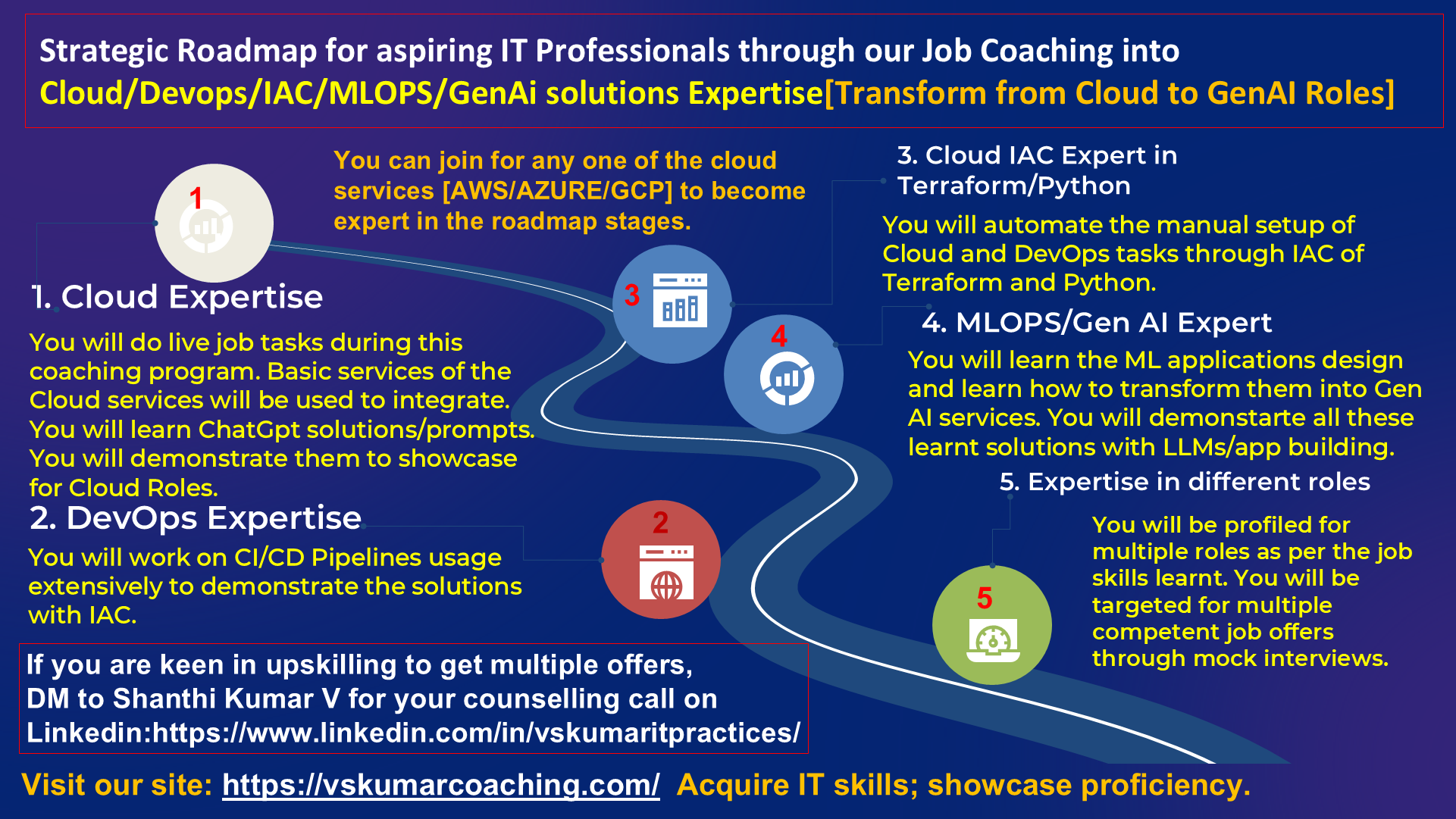
Clear Roadmap: A well-organized curriculum provides a clear roadmap for your learning journey. This structured approach helps you navigate through essential skills and knowledge areas systematically, reducing the overwhelm that often comes with self-learning.
Milestones and Goals: Coaches can set specific milestones and goals to track your progress. These checkpoints keep you motivated and accountable, making it easier to stay committed to your learning objectives.
Flexibility and Convenience
Learn Anytime, Anywhere: Digital courses offer the ultimate flexibility, allowing you to access materials from any location. Whether you’re a full-time professional or a busy parent, you can fit learning into your schedule without compromising your responsibilities.
Diverse Learning Formats: These courses often include a variety of learning formats such as videos, quizzes, hands-on projects, and community forums. This diversity caters to different learning styles, making the process more engaging and effective.
Practical Skills Development
Hands-On Experience: Many digital courses include practical exercises and projects that simulate real-world scenarios. These hands-on experiences help you apply what you’ve learned, reinforcing your skills and boosting your confidence.
Portfolio Building: Completing projects as part of your coursework allows you to build a portfolio that showcases your skills. This portfolio can be a valuable asset when applying for jobs or seeking promotions, providing tangible evidence of your capabilities.
Networking Opportunities
Community Access: Engaging with a community of learners can provide valuable networking opportunities. Collaboration and support from peers can enhance your learning experience and open doors to new career opportunities.
Mentorship: Coaches often offer mentorship and guidance, helping you navigate your career path more effectively. This personalized support can be invaluable in overcoming challenges and achieving your goals.
Cost-Effectiveness
Affordable Learning: Digital courses are often more affordable than traditional education options. This makes high-quality training accessible to a broader audience, democratizing education and skill development.
Value for Money: The ability to learn specific, in-demand skills that directly relate to job opportunities can lead to a higher return on investment. By focusing on practical, career-oriented skills, you can quickly see the benefits of your learning efforts.
Career Advancement
In-Demand Skills: Acquiring skills in Cloud, DevOps, ML, Generative AI, and MLOps can significantly enhance your employability. These fields are in high demand, and having expertise in them can set you apart in a competitive job market.
Promotion Opportunities: Continuous learning and skill development can position you for promotions and new job roles within your organization. By staying current with industry trends, you demonstrate your commitment to professional growth and advancement.
Self-Motivation and Discipline
Self-Directed Learning: Taking responsibility for your learning fosters self-discipline and motivation. These are essential skills in any professional setting, contributing to your overall effectiveness and success.
Confidence Building: Mastering new skills through self-learning can boost your confidence and sense of accomplishment. This newfound confidence can positively impact other areas of your life, both personally and professionally.
Future-Proofing Your Career
Adaptability: Learning these skills prepares you for the future.
Unlock Your Future Career with VSKUMARCOACHING Digital Courses
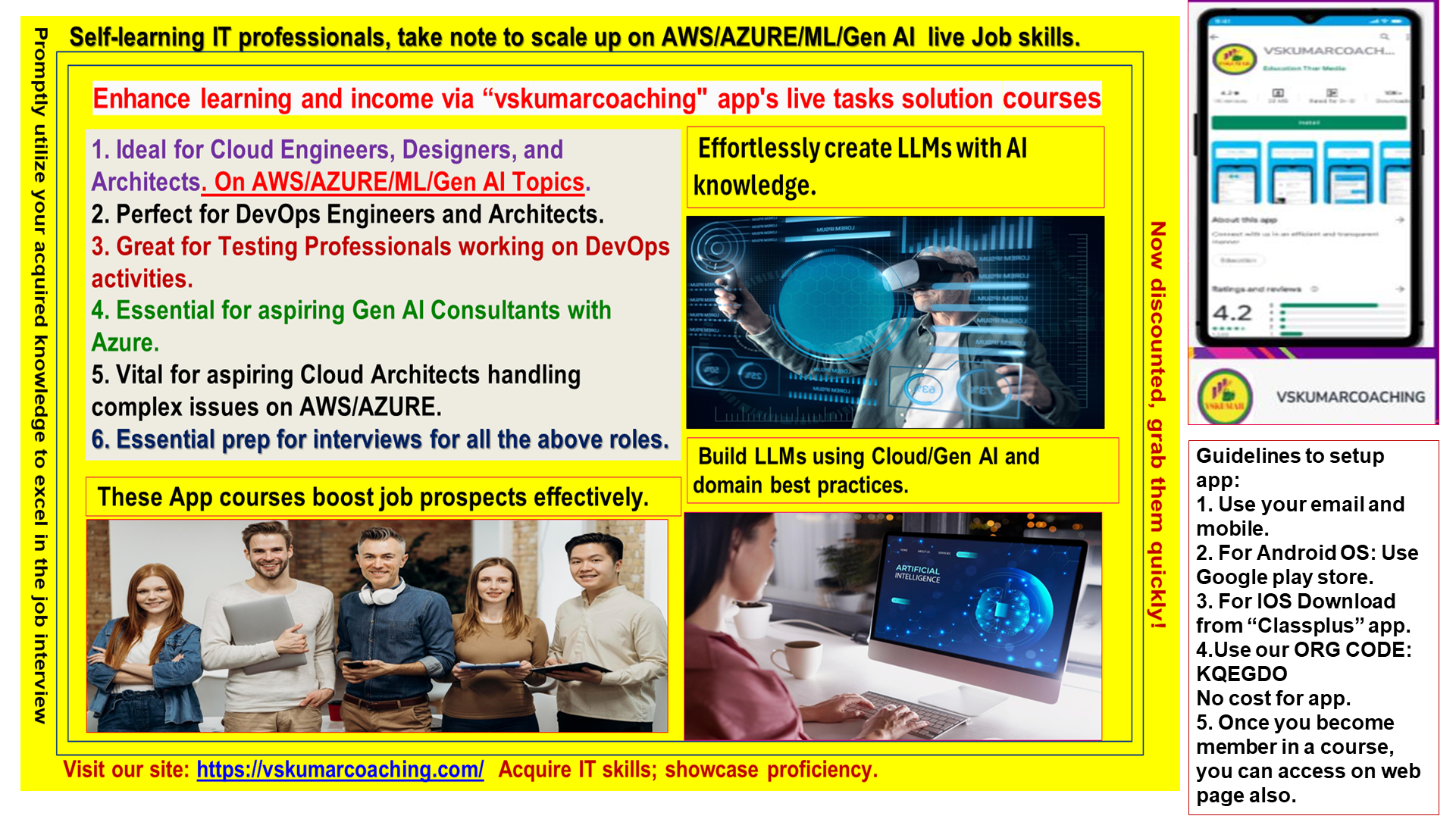
In today’s rapidly evolving tech landscape, equipping yourself with the right skills is crucial for career advancement. By completing digital courses through the “VSKUMARCOACHING” app, you can effectively target several high-demand job roles in the cloud and machine learning domains. Here’s a look at some of the exciting career opportunities available to you:
1. Azure Solutions Architect Utilize your knowledge of Azure services and live integration issues to design and implement impactful cloud solutions.
2. AWS Solutions Engineer Leverage your experience with AWS live incidents, employing your problem-solving skills to support and enhance cloud infrastructure.
3. Cloud DevOps Engineer Apply your expertise in automation, containerization, and live tasks to efficiently manage deployments and optimize development processes across Azure and AWS environments.
4. MLOps Engineer Use your specialization in Azure ML and MLOps to develop and maintain robust machine learning workflows and frameworks.
5. Machine Learning Engineer Focus on designing and building machine learning applications, leveraging knowledge of Generative AI and practical use cases.
6. Data Scientist Analyze data and develop predictive models, guided by insights derived from Azure Machine Learning and MLOps principles.
7. DevOps Engineer Employ best practices in automation, Terraform, and Python to streamline operations and enhance CI/CD pipelines in cloud environments.
8. AI/ML Solutions Architect Design and implement innovative solutions that leverage machine learning and AI capabilities in the cloud, with a focus on Generative AI.
9. Cloud Consultant Advise organizations on optimizing cloud strategies by integrating AWS and Azure capabilities to meet their business objectives.
10. Technical Trainer/Educator Share your knowledge and skills by training others in Azure, AWS, and machine learning, helping to build the next generation of tech talent.
These roles not only demand a combination of technical skills but also practical experience and strategic thinking, all of which are cultivated through the courses offered by VSKUMARCOACHING. Embrace the opportunity to elevate your career and become a sought-after professional in the cloud and machine learning arenas. Your journey begins today!
Boost Your Career with Generative AI Coaching: Gain Valuable Job Experience and Stand Out to Employers
In today’s competitive job market, having relevant job experience is crucial for securing your dream job. However, gaining job experience can be challenging, especially for recent graduates or individuals looking to switch careers. This is where Generative AI coaching comes in.
Generative AI coaching is a revolutionary technology that uses artificial intelligence to simulate real-world job experiences and provide personalized coaching to help individuals develop the skills they need to succeed in their chosen field. By using Generative AI coaching, individuals can gain valuable job experience without actually being in a job, allowing them to accelerate their job prospects and stand out to potential employers.
One of the key benefits of Generative AI coaching is that it allows individuals to practice and refine their skills in a safe and controlled environment. This means that they can make mistakes, learn from them, and improve without the fear of negative consequences. This not only boosts their confidence but also helps them develop the skills and knowledge needed to excel in their chosen field.
Additionally, Generative AI coaching can help individuals gain exposure to different job roles and industries, allowing them to explore their interests and discover new career opportunities. This can be especially beneficial for individuals who are unsure of what they want to do or are looking to switch careers, as it allows them to try out different roles and see what they enjoy and excel at.
Furthermore, the personalized coaching provided by Generative AI coaching can help individuals identify their strengths and weaknesses and develop a personalized development plan to help them reach their career goals. This targeted coaching can help individuals improve their skills, build their confidence, and ultimately increase their job prospects.
Overall, Generative AI coaching offers a unique and effective way for individuals to gain job experience, develop their skills, and accelerate their job prospects. By using this innovative technology, individuals can stand out to potential employers, increase their chances of securing their dream job, and ultimately achieve career success.




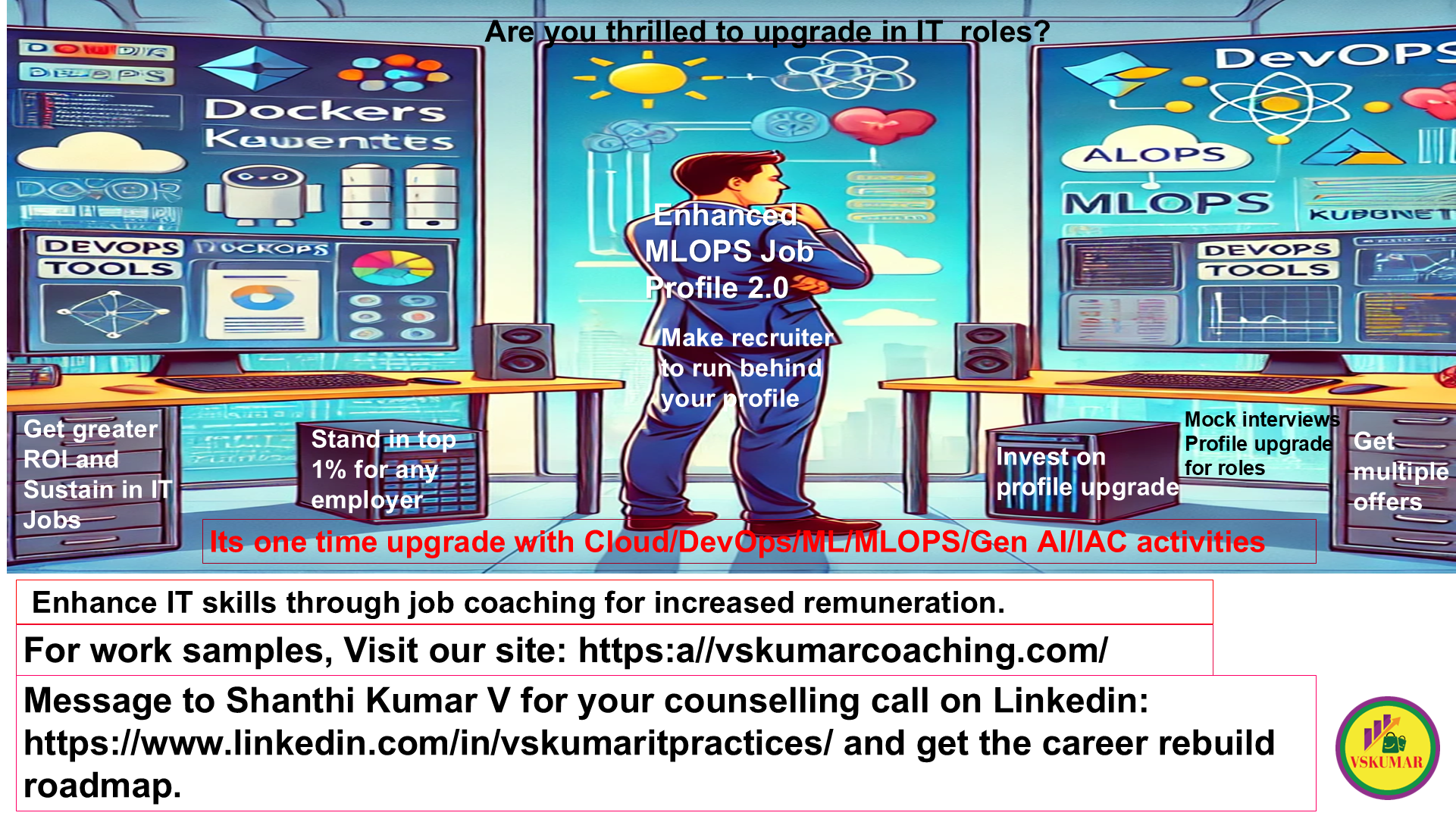
 Building Cloud/DevOps/AI/ML/Gen AI Architects