Daily Archives: March 14, 2025

Part3: Business Automation with AI – Fundamentals of Azure for AI Applications

Fundamentals of Azure for AI Applications

Core Services of Azure for AI

Azure provides a comprehensive suite of core services designed to facilitate the development, deployment, and management of artificial intelligence (AI) applications. Among these, Azure Machine Learning stands out as a powerful platform that enables IT professionals to build, train, and deploy machine learning models at scale. With features like automated machine learning, model interpretability, and robust collaboration tools, Azure Machine Learning caters to a wide range of use cases, from predictive analytics to natural language processing. This service empowers businesses to harness their data effectively and transform it into actionable insights, driving innovation and efficiency in their operations.
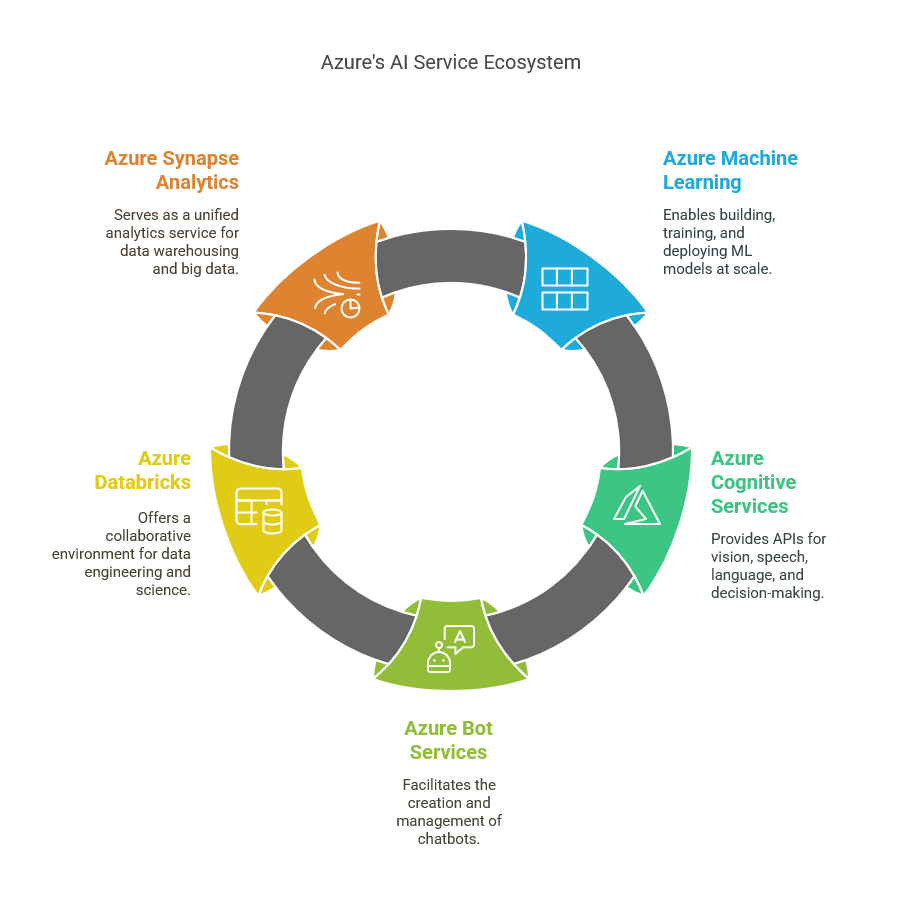
Another key service is Azure Cognitive Services, which offers a set of pre-built APIs that allow developers to integrate advanced AI capabilities into their applications without needing deep expertise in machine learning. These services encompass vision, speech, language, and decision-making functionalities, making it easier for organizations to enhance user experiences and automate processes. For instance, the Computer Vision API can analyze images and extract information, while the Speech Service enables real-time translation and transcription. By leveraging these cognitive services, IT professionals can quickly build intelligent applications that respond to user needs in real time.

Azure Bot Services is also essential for organizations looking to implement conversational AI solutions. This service allows developers to create and manage chatbots that can engage users across various channels, including websites, social media, and messaging platforms. The integration of natural language understanding through the Language Understanding (LUIS) service enhances the bots’ ability to comprehend user intents and respond appropriately. By utilizing Azure Bot Services, businesses can streamline customer interactions, reduce operational costs, and improve service delivery, ultimately leading to increased customer satisfaction.

In addition to these core services, Azure Databricks provides a collaborative environment for data engineering and data science. Built on Apache Spark, Databricks simplifies big data processing and enables teams to work together on AI projects seamlessly. By combining data storage, processing, and analytics capabilities, Databricks helps organizations unlock the full potential of their data, driving better decision-making and fostering innovation. IT professionals can leverage this platform to accelerate the development of AI models, ensuring they are built on accurate and up-to-date data.

Lastly, Azure Synapse Analytics serves as a unified analytics service that brings together big data and data warehousing. This service allows IT professionals to analyze vast amounts of data quickly and derive insights that can inform business strategies. With its integration of machine learning capabilities and support for real-time analytics, Azure Synapse Analytics empowers organizations to make data-driven decisions efficiently. Together, these core services of Azure create a robust ecosystem that enables IT professionals to architect AI solutions that drive business automation and enhance operational efficiency across various industries.

Data Management with Azure

Data management is a cornerstone of effective business automation, and Azure provides a robust framework for handling data in a secure, efficient, and scalable manner. IT professionals engaged in architecting AI solutions can leverage Azure’s extensive database services, including Azure SQL Database, Cosmos DB, and Azure Data Lake Storage. Each service is designed to meet specific needs, from relational data management to unstructured data processing, enabling businesses to choose the right tool for their unique requirements. This versatility is crucial in an era where data-driven decision-making is paramount.
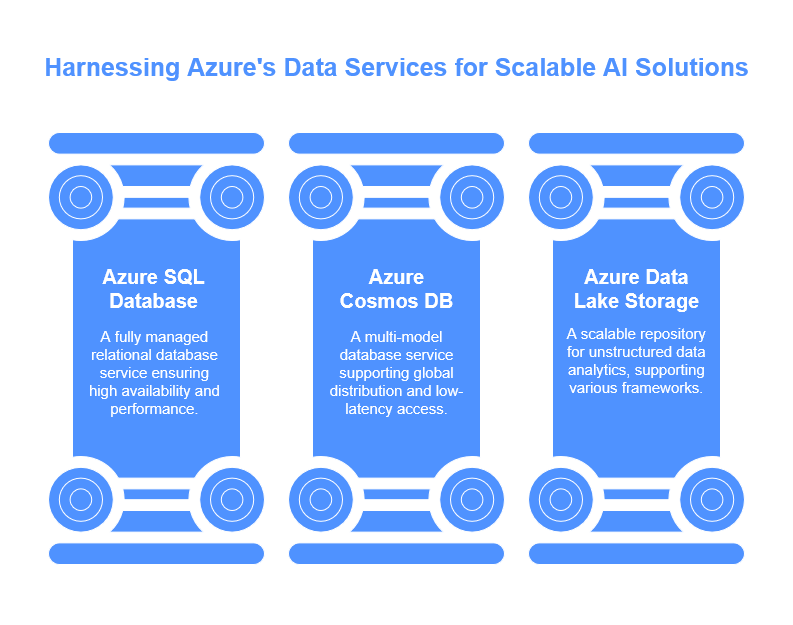
Azure SQL Database offers a fully managed relational database service that simplifies the management of data while maintaining high availability and performance. It supports advanced features such as automated backups, scaling, and built-in intelligence, allowing IT professionals to focus on application development rather than database maintenance. Moreover, its compatibility with SQL Server means that organizations can easily migrate existing applications to the cloud without significant rewrites. This seamless transition not only reduces downtime but also enhances the overall agility of business operations.

For applications requiring global distribution and low-latency access, Azure Cosmos DB stands out as a multi-model database service. It supports various data models, including key-value, document, and graph formats, making it an ideal choice for diverse workloads. With its ability to replicate data across multiple regions with ease, IT professionals can ensure that applications remain responsive regardless of user location. The automatic scaling feature of Cosmos DB further optimizes performance and cost, adapting to changing workloads without manual intervention, which is instrumental for businesses aiming to meet fluctuating demands.

Azure Data Lake Storage is another critical component of Azure’s data management ecosystem, particularly for organizations dealing with large volumes of unstructured data. It provides a scalable and secure repository for big data analytics, supporting various data processing frameworks like Apache Spark and Hadoop. This capability allows IT professionals to harness the full potential of their data, transforming raw information into actionable insights. By integrating data from multiple sources into a single platform, organizations can streamline their analytics processes, facilitating more informed decision-making and enhancing operational efficiency.

In conclusion, effective data management with Azure is integral to successfully architecting AI solutions for business automation. By utilizing Azure’s diverse array of data services, IT professionals can create a cohesive data strategy that aligns with organizational goals. Emphasizing scalability, security, and performance, Azure empowers businesses to not only manage their data effectively but also to leverage it as a strategic asset in their automation efforts. As organizations continue to navigate the complexities of digital transformation, a solid foundation in data management will be essential for driving innovation and achieving competitive advantage.

Security and Compliance in Azure

In the realm of cloud computing, security and compliance are paramount, especially when leveraging platforms like Azure to architect AI-driven business automation solutions. IT professionals must prioritize these elements to build trust and ensure the integrity of their applications. Azure provides a robust framework of security features, tools, and compliance certifications that can help organizations safeguard their data while adhering to regulatory requirements. Understanding these resources is essential for effectively managing risk and ensuring the resilience of business applications.
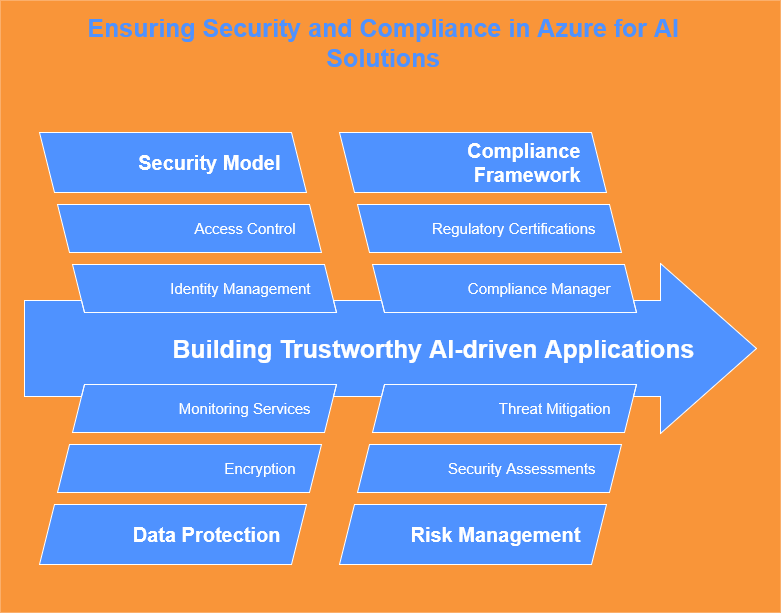
One of Azure’s most significant advantages is its comprehensive security model, which encompasses identity management, access control, data protection, and threat mitigation. Azure Active Directory plays a crucial role in managing user identities and access rights, enabling granular control over who can access which resources. This identity-centric approach not only enhances security but also simplifies compliance with regulations such as GDPR and HIPAA. IT professionals should leverage Azure’s security tools to implement multi-factor authentication and conditional access policies, ensuring that only authorized users can interact with sensitive business applications.

Data protection in Azure is facilitated by a variety of built-in encryption and monitoring services. Both data at rest and in transit can be secured through Azure’s encryption capabilities, which safeguard sensitive information against unauthorized access. Additionally, Azure Security Center provides continuous security assessments and recommendations, allowing organizations to maintain a proactive posture against potential threats. IT professionals must adopt these tools to ensure that their AI-driven applications not only meet security standards but also align with best practices in data governance and protection.

Compliance is a multifaceted challenge, particularly for organizations operating in regulated industries. Azure addresses this through a comprehensive compliance framework that includes a wide array of certifications and attestations. Azure’s Compliance Manager allows IT teams to assess their compliance posture and manage risks effectively. By staying informed about evolving regulations and leveraging Azure’s compliance tools, IT professionals can ensure that their business automation solutions not only meet legal requirements but are also aligned with industry standards, thereby fostering greater stakeholder confidence.

In conclusion, security and compliance in Azure are integral to the successful architecting of AI-powered business applications. By harnessing the platform’s security features, data protection mechanisms, and compliance tools, IT professionals can build resilient and trustworthy solutions. As the landscape of business automation continues to evolve, maintaining a strong focus on these aspects will be crucial for organizations looking to innovate while safeguarding their most valuable asset: data. Embracing Azure’s capabilities will empower IT teams to navigate the complex regulatory environment confidently and effectively.
Part2: Business Automation with AI – Fundamentals of AWS for AI Applications

Fundamentals of AWS for AI Applications

Core Services of AWS for AI

Amazon Web Services (AWS) offers a comprehensive suite of core services specifically designed to facilitate artificial intelligence (AI) applications, enabling IT professionals to architect robust solutions for business automation. One of the foundational services is Amazon SageMaker, which provides a fully managed environment for building, training, and deploying machine learning models at scale. With SageMaker, professionals can leverage built-in algorithms and frameworks, reducing the complexity of model development. This service empowers organizations to integrate machine learning into their applications seamlessly, making it easier to derive insights and automate processes.

Another crucial service in the AWS AI landscape is AWS Lambda, which enables serverless computing that scales automatically in response to events. This is particularly beneficial for AI applications that require real-time data processing and analysis. IT professionals can configure Lambda functions to trigger in response to changes in data, such as new inputs from IoT devices or updates in databases, allowing for instantaneous reactions. By utilizing AWS Lambda, organizations can automate workflows efficiently, minimizing downtime and enhancing overall productivity.

Amazon Rekognition is another powerful AI service that allows for image and video analysis. IT professionals can incorporate this service into applications to enable features such as facial recognition, object detection, and scene analysis. By leveraging Rekognition, businesses can automate tasks that involve visual data, such as security monitoring, customer engagement through personalized experiences, and content moderation. The ability to analyze visual content at scale positions organizations to drive innovative solutions tailored to their specific needs.

AWS Comprehend, which provides natural language processing capabilities, is essential for businesses looking to automate text analysis and derive meaningful insights from large volumes of unstructured data. IT professionals can use Comprehend to build applications that understand sentiment, extract key phrases, and categorize text data. This service enhances decision-making processes by transforming raw text into actionable intelligence, allowing organizations to automate customer service interactions, improve marketing strategies, and streamline compliance processes.

Finally, AWS offers a range of AI services for data integration and orchestration, such as Amazon Kinesis and AWS Glue. These services enable IT professionals to collect, process, and prepare data for machine learning applications efficiently. With Kinesis, organizations can analyze streaming data in real-time, while Glue automates the data preparation and transformation processes needed for AI projects. By utilizing these core services, IT professionals can ensure that their AI initiatives are not only effective but also scalable, paving the way for enhanced business automation and innovation in their respective fields.

Data Management with AWS

Data management is a cornerstone of effective business automation, particularly when leveraging cloud services like AWS. In the realm of artificial intelligence, the way organizations handle data determines not only the efficiency of their operations but also their capability to extract meaningful insights. AWS offers a suite of tools and services that empower IT professionals to manage data seamlessly, ensuring that it is accessible, secure, and optimized for AI applications. By strategically utilizing these services, businesses can enhance their data workflows and foster innovation.

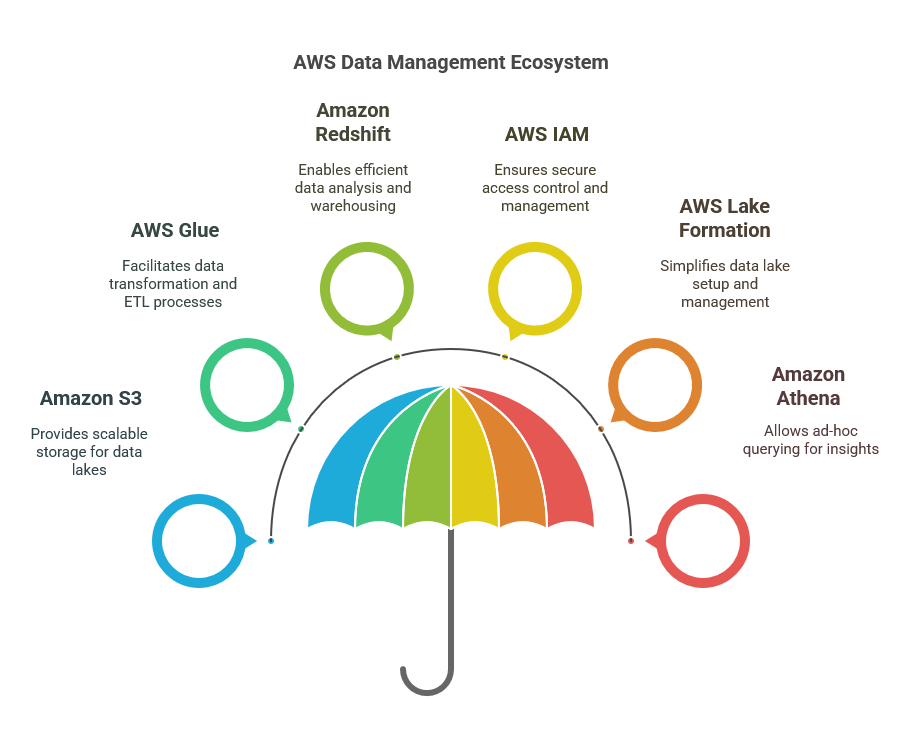
At the heart of AWS’s data management capabilities lies Amazon S3, a scalable object storage service that allows organizations to store and retrieve any amount of data from anywhere on the web. This flexibility enables IT professionals to implement robust data lakes, where vast amounts of unstructured data can be ingested and processed. By integrating machine learning models with data stored in S3, businesses can derive predictive analytics that drive decision-making. Furthermore, S3’s integration with other AWS services, such as AWS Glue and Amazon Redshift, enhances the ability to transform and analyze data efficiently, paving the way for more sophisticated AI applications.

Data security is a paramount concern for organizations, especially when handling sensitive information. AWS addresses this challenge through a combination of features and best practices that help IT professionals implement stringent security measures. Services like AWS Identity and Access Management (IAM) allow for fine-grained access control, ensuring that only authorized personnel can interact with specific datasets. Additionally, AWS provides encryption options for data at rest and in transit, helping to safeguard data integrity and confidentiality. By prioritizing security within their data management strategies, organizations can build trust with their stakeholders while maintaining compliance with industry regulations.

The integration of AWS with data analytics tools enhances the capability of businesses to derive insights from their data. Services such as Amazon Athena enable users to perform ad-hoc queries on data stored in S3 without the need for complex ETL processes. This not only accelerates the data analysis cycle but also empowers non-technical users to access insights, fostering a data-driven culture across the organization. Moreover, the use of AWS Lake Formation simplifies the process of setting up and managing data lakes, allowing IT professionals to focus on extracting value from data rather than wrestling with infrastructure challenges.

In conclusion, effective data management with AWS is integral to harnessing the power of AI for business automation. By leveraging AWS’s robust suite of tools, IT professionals can create a secure, scalable, and efficient data architecture that supports advanced analytics and machine learning initiatives. As the landscape of technology continues to evolve, embracing these data management practices will enable organizations to stay ahead of the curve, driving innovation and operational excellence in the age of AI.

Security and Compliance in AWS

Security and compliance are critical considerations in any cloud architecture, especially when leveraging platforms like AWS and Azure for business automation. As IT professionals, understanding the security frameworks and compliance requirements of these cloud environments is essential for safeguarding sensitive data and maintaining regulatory adherence. Both AWS and Azure offer robust security features and compliance certifications that can help organizations protect their assets while automating processes through AI. By prioritizing security in the design and implementation phases, IT architects can build resilient systems that not only support business goals but also instill confidence in stakeholders.

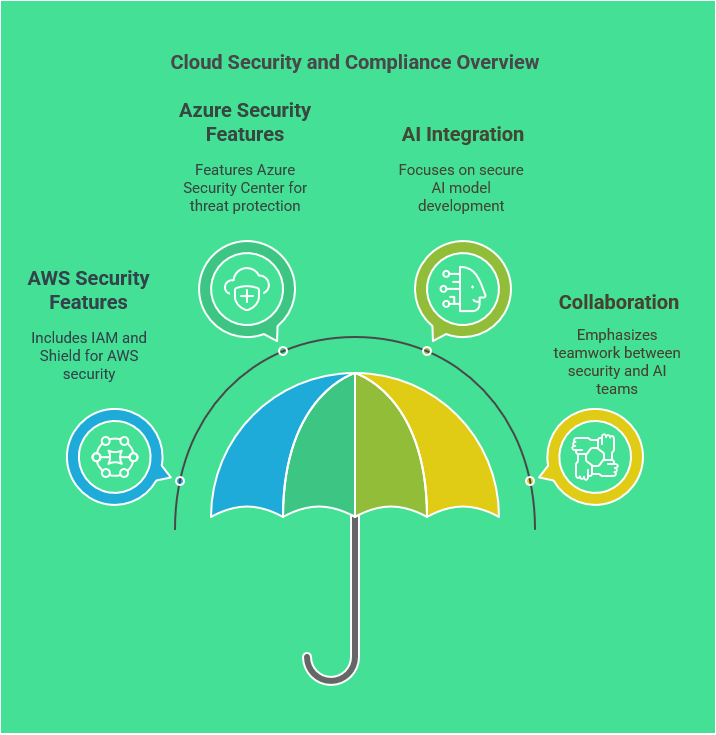
AWS employs a shared responsibility model, which delineates security responsibilities between AWS and the customer. AWS is responsible for securing the infrastructure, while customers must secure their applications and data within the cloud. This model empowers organizations to implement security measures tailored to their specific needs. IT professionals should leverage AWS services such as Identity and Access Management (IAM), which allows for granular control over user permissions, and AWS Shield, which provides protection against DDoS attacks. Understanding these tools enables architects to create more secure environments that mitigate risks associated with cloud deployments.

Azure also emphasizes a shared responsibility model, along with a comprehensive set of compliance certifications that align with global standards, such as GDPR and HIPAA. IT architects must familiarize themselves with Azure’s security offerings, such as Azure Security Center, which provides unified security management and threat protection across hybrid cloud workloads. By utilizing Azure’s built-in security tools, organizations can enhance their security posture and ensure compliance with industry regulations. This proactive approach not only protects sensitive information but also streamlines the compliance process, allowing businesses to focus on innovation and automation.

Integrating AI into business applications further complicates the security landscape, as it introduces unique challenges and considerations. IT professionals need to adopt a security-first mindset when developing AI models that interact with sensitive data. This includes implementing data encryption both in transit and at rest, as well as ensuring that AI algorithms are robust against adversarial attacks. By leveraging AWS and Azure’s AI capabilities, such as Amazon SageMaker and Azure Machine Learning, organizations can build intelligent applications while maintaining a strong security framework that addresses potential vulnerabilities.

Collaboration between security teams and AI architects is vital to creating a holistic approach to security and compliance within cloud environments. Regular audits, vulnerability assessments, and compliance checks should be integral parts of the development lifecycle. By fostering a culture of security awareness and continuous improvement, IT professionals can ensure that their cloud architectures not only support automation through AI but also uphold the highest standards of security and compliance. This commitment to security will ultimately drive business success and foster trust among customers and stakeholders.

Part1: Business Automation with AI – Understanding AI and Its Impact on Business

Understanding AI and Its Impact on Business

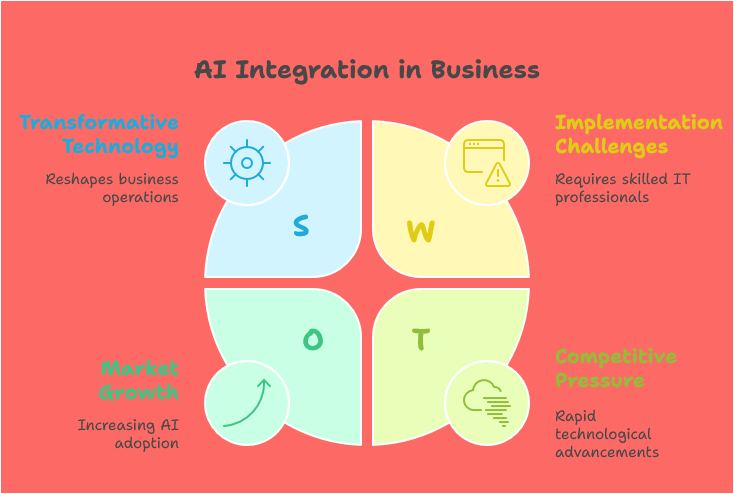
Artificial Intelligence (AI) has transitioned from a theoretical concept to a practical tool that is reshaping the business landscape. IT professionals are at the forefront of this transformation, tasked with integrating AI solutions into existing infrastructures. Understanding AI’s capabilities and its potential impact on business operations is essential for architects and developers alike. By leveraging AI technologies, organizations can optimize processes, enhance customer experiences, and make data-driven decisions that propel growth.

The integration of AI with cloud platforms like AWS and Azure offers unique advantages for businesses seeking automation. AWS provides a suite of AI services, such as Amazon SageMaker for building, training, and deploying machine learning models, while Azure features tools like Azure Machine Learning that facilitate the development of intelligent applications. These platforms not only simplify the implementation of AI but also ensure scalability and flexibility. IT professionals must familiarize themselves with these tools to effectively architect solutions that harness AI for business automation.

As businesses increasingly adopt AI, they are witnessing significant improvements in operational efficiency. AI-driven automation allows organizations to streamline workflows, reduce human error, and free up valuable resources for strategic initiatives. Tasks that were once labor-intensive can now be accomplished with precision and speed, leading to cost savings and increased productivity. IT professionals play a crucial role in identifying areas where AI can be applied, ensuring that the integration aligns with business objectives and delivers measurable results.

Moreover, AI enhances decision-making capabilities by providing insights derived from vast amounts of data. With advanced analytics and machine learning algorithms, businesses can uncover patterns and trends that inform strategic choices. IT professionals must focus on creating robust data architectures that support AI initiatives, enabling seamless data flow and real-time analysis. This data-driven approach empowers organizations to stay competitive and responsive to market changes, highlighting the importance of IT expertise in AI deployment.

In conclusion, understanding AI and its impact on business is vital for IT professionals involved in architecting solutions with AWS and Azure. The potential for AI to automate processes, improve efficiency, and enhance decision-making is immense. By embracing these technologies, IT architects can help businesses navigate the complexities of digital transformation, ultimately driving innovation and success in an increasingly automated world. As the landscape continues to evolve, ongoing education and adaptation will be key for professionals seeking to leverage AI effectively in their organizations.

The Role of Cloud Computing in AI

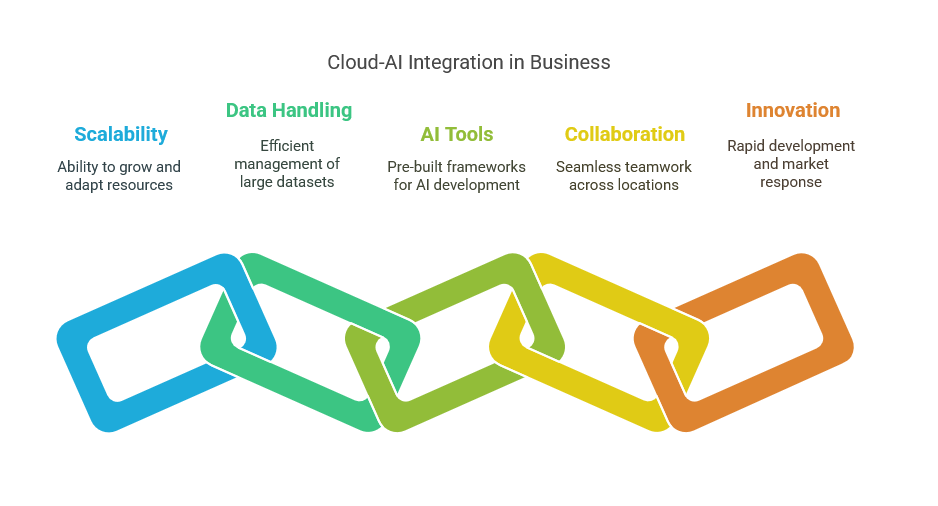
The integration of cloud computing with artificial intelligence (AI) has transformed the landscape of business automation, enabling IT professionals to build scalable, efficient, and innovative solutions. Cloud platforms like AWS and Azure provide the necessary infrastructure and services that facilitate the deployment and management of AI applications. By leveraging cloud resources, organizations can access powerful computing capabilities, extensive storage options, and advanced AI tools without the need for substantial upfront investments in hardware and software. This flexibility allows businesses to innovate rapidly and respond to market demands effectively.

One of the key advantages of cloud computing in AI is its ability to handle massive datasets efficiently. AI algorithms thrive on vast amounts of data for training and learning. Cloud platforms offer the scalability required to store and process these datasets, enabling organizations to harness data from various sources, including IoT devices, customer interactions, and social media. This capability not only accelerates the development of AI models but also enhances their performance by allowing continuous learning and adaptation to new information. IT professionals can easily scale their data storage and compute resources, ensuring that their AI initiatives are not hindered by infrastructure limitations.

Moreover, cloud service providers offer a plethora of AI-specific tools and frameworks that simplify the development process for IT professionals. Services such as AWS SageMaker and Azure Machine Learning provide pre-built algorithms, development environments, and deployment options that allow teams to focus on building and refining their models rather than dealing with the underlying infrastructure. This ease of access to advanced technologies democratizes AI, enabling organizations of all sizes to implement AI-driven solutions that enhance business processes, improve customer experiences, and drive operational efficiencies.

The collaborative nature of cloud computing further enhances its role in AI development. With cloud platforms facilitating real-time collaboration among teams, IT professionals can work together seamlessly, regardless of their geographical locations. This collaboration is vital for AI projects, which often require cross-disciplinary expertise from data scientists, software engineers, and business analysts. By utilizing cloud-based tools, organizations can foster a culture of innovation, where ideas can be shared, tested, and iterated upon rapidly, leading to more effective AI applications that align closely with business objectives.

In summary, the synergy between cloud computing and AI is reshaping the way businesses approach automation and digital transformation. For IT professionals, understanding the capabilities and advantages of platforms like AWS and Azure is essential for architecting future-ready solutions. By leveraging cloud resources, organizations can build robust AI applications that not only enhance operational efficiency but also position them competitively in an increasingly data-driven marketplace. Embracing this technological convergence will empower IT professionals to lead their organizations into the future of intelligent business automation.

Overview of AWS and Azure Platforms

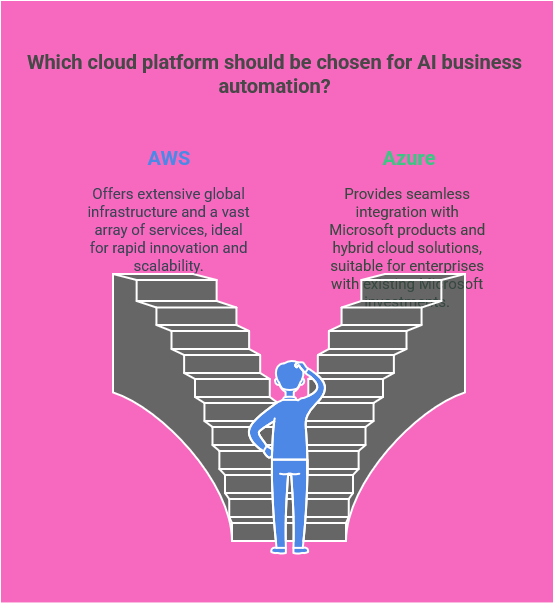
Amazon Web Services (AWS) and Microsoft Azure are two of the most prominent cloud computing platforms, playing a pivotal role in transforming the landscape of IT infrastructure and business applications. Both platforms provide a comprehensive suite of services that enable organizations to build, deploy, and manage applications in the cloud, making them indispensable for IT professionals looking to leverage artificial intelligence for business automation. AWS, with its extensive global infrastructure and vast array of services, empowers businesses to innovate rapidly while maintaining flexibility. Meanwhile, Azure offers seamless integration with Microsoft products, providing a familiar environment for enterprises already invested in Microsoft technologies.

AWS stands out for its mature ecosystem and extensive range of services, from computing power and storage to machine learning and data analytics. Its services like Amazon EC2, S3, and Lambda enable businesses to scale effortlessly according to demand. Additionally, AWS provides advanced AI services such as Amazon SageMaker, which simplifies the process of building and deploying machine learning models. This flexibility and scalability make AWS an ideal choice for organizations aiming to automate business processes and leverage AI capabilities to enhance operational efficiency and drive innovation.

On the other hand, Microsoft Azure has gained significant traction, particularly among enterprises looking for integrated solutions that align with existing Microsoft products. Azure’s offerings, such as Azure Machine Learning, Azure Functions, and Azure DevOps, allow IT professionals to create automated workflows that enhance collaboration and streamline processes. Azure’s commitment to hybrid cloud solutions also enables businesses to maintain a balance between on-premises infrastructure and cloud capabilities, facilitating a gradual transition to cloud-native applications while leveraging existing investments in technology.

The competitive nature of AWS and Azure has led to continuous innovation, with both platforms regularly introducing new features and services designed to meet evolving business needs. For IT professionals, understanding the strengths and weaknesses of each platform is crucial for making informed decisions about architecture and implementation. This understanding becomes even more vital when integrating AI capabilities into business applications, as both platforms offer unique tools and frameworks that can significantly enhance automation and data-driven decision-making.

In conclusion, both AWS and Azure offer robust frameworks for IT professionals to harness the power of AI in business automation. Their diverse range of services, coupled with their ongoing innovations, provides organizations with the tools needed to enhance productivity, optimize operations, and drive growth. As businesses continue to embrace digital transformation, a comprehensive understanding of these platforms will be essential for architects and developers in creating efficient, intelligent systems that can adapt to the ever-changing demands of the market.

Standard Roles Involved in ML Model Design

Standard Roles Involved in ML Model Design

Designing a machine learning (ML) model is a complex process that requires a multidisciplinary approach. Various roles come together to ensure the successful development, implementation, and maintenance of ML models. Each role has its own set of responsibilities and expertise, contributing to different stages of the ML model design process. In this blog, we will explore the standard roles involved in ML model design and their key activities.

1. Data Scientists

Data scientists are at the core of the ML model design process. Their responsibilities include:

  • Data Exploration and Analysis: Analyzing and interpreting complex data to uncover patterns, trends, and insights.
  • Feature Engineering: Creating new features or transforming existing ones to improve model performance.
  • Model Development: Experimenting with different ML algorithms and hyperparameters to develop predictive models.
  • Model Evaluation: Evaluating model performance using various metrics and techniques such as cross-validation and A/B testing.

2. Machine Learning Engineers

Machine learning engineers bridge the gap between data science and software engineering. Their key activities include:

  • Model Implementation: Implementing ML algorithms and models into production environments.
  • Optimization: Optimizing model performance and ensuring scalability and efficiency.
  • Deployment: Deploying ML models into production systems and integrating them with existing infrastructure.
  • Monitoring: Continuously monitoring model performance and addressing any issues or degradation.

3. Data Engineers

Data engineers play a crucial role in building and maintaining the data infrastructure required for ML model design. Their responsibilities include:

  • Data Collection: Designing and building data pipelines to collect, store, and process data from various sources.
  • Data Cleaning: Ensuring data quality, integrity, and availability for model training.
  • Data Preprocessing: Preprocessing and transforming raw data into a format suitable for analysis and model training.
  • Data Storage: Managing data storage solutions, such as databases and data lakes, to support large-scale data processing.

4. Software Developers

Software developers work closely with ML engineers and data scientists to implement and integrate ML models into applications. Their key activities include:

  • Application Development: Writing code and developing applications that utilize ML models.
  • Integration: Integrating ML-driven features and functionalities into existing systems.
  • Testing: Conducting unit tests and integration tests to ensure the reliability and performance of ML models.
  • Maintenance: Maintaining and updating applications to accommodate changes in ML models and data.

5. Business Analysts

Business analysts ensure that ML models address business needs and deliver value. Their responsibilities include:

  • Requirements Gathering: Identifying business needs and translating them into technical specifications for ML projects.
  • Stakeholder Communication: Communicating with stakeholders to understand their goals and expectations.
  • Performance Metrics: Defining success criteria and key performance indicators (KPIs) for ML models.
  • Evaluation: Evaluating the business impact and effectiveness of ML models.

6. Project Managers

Project managers oversee the end-to-end lifecycle of ML projects, ensuring they are delivered on time and within scope. Their key activities include:

  • Planning: Creating project plans, timelines, and resource allocations for ML projects.
  • Coordination: Coordinating with cross-functional teams, including data scientists, ML engineers, and stakeholders.
  • Risk Management: Identifying and mitigating risks that may impact project success.
  • Reporting: Providing regular updates and progress reports to stakeholders and executives.

7. UX/UI Designers

User experience (UX) and user interface (UI) designers focus on creating intuitive and user-friendly interfaces for ML-powered applications. Their responsibilities include:

  • Design: Designing interfaces that provide a seamless and engaging user experience.
  • Prototyping: Creating prototypes and wireframes to visualize the user interface.
  • Usability Testing: Conducting usability tests to gather feedback and make design improvements.
  • Collaboration: Working with developers to ensure that the final product aligns with design specifications.

8. Compliance and Ethics Officers

Compliance and ethics officers ensure that ML models adhere to legal, regulatory, and ethical standards. Their key activities include:

  • Regulatory Compliance: Ensuring that ML models comply with relevant laws and regulations.
  • Ethical Considerations: Addressing ethical issues related to bias, fairness, and transparency in ML models.
  • Data Privacy: Implementing measures to protect user data and ensure data privacy.
  • Audit and Review: Conducting audits and reviews to ensure ongoing compliance with ethical guidelines.

9. Domain Experts

Domain experts possess specialized knowledge in specific industries or fields, such as healthcare, finance, or retail. Their responsibilities include:

  • Expertise: Providing domain-specific knowledge and insights to guide ML model design.
  • Validation: Validating the relevance and accuracy of ML models in the context of the domain.
  • Collaboration: Collaborating with data scientists and ML engineers to ensure that models address domain-specific challenges and opportunities.

10. Stakeholders and Executives

Stakeholders and executives provide strategic direction and decision-making support for ML initiatives. Their key activities include:

  • Strategic Alignment: Aligning ML projects with organizational goals and objectives.
  • Decision-Making: Making informed decisions about resource allocation and project priorities.
  • Support: Providing support and guidance to ensure the success of ML projects.
  • Evaluation: Evaluating the overall impact and return on investment (ROI) of ML initiatives.

Conclusion

The design and development of ML models involve collaboration among various roles, each contributing their unique expertise and skills. Data scientists, ML engineers, data engineers, software developers, business analysts, project managers, UX/UI designers, compliance and ethics officers, domain experts, and stakeholders all play integral roles in the ML model design process. By working together, these roles ensure the successful implementation and maintenance of ML models that drive innovation and deliver business value.

The Role of Exploratory Data Analysis (EDA) in ML Model Design

The Role of Exploratory Data Analysis (EDA) in ML Model Design

In the ever-evolving world of machine learning (ML), the importance of a strong foundation cannot be overstated. One of the most critical steps in the ML model design process is Exploratory Data Analysis (EDA). EDA is a crucial phase that involves analyzing and visualizing data to understand its structure, patterns, and relationships before applying any machine learning algorithms. This blog will delve into the role of EDA in ML model design and how it contributes to building robust and accurate models.

What is Exploratory Data Analysis (EDA)?

EDA is the process of analyzing datasets to summarize their main characteristics, often with visual methods. It involves a variety of techniques to clean, transform, and visualize data. The primary goal of EDA is to uncover insights, identify patterns, detect anomalies, and test hypotheses, which ultimately guide the subsequent steps in the ML model design process.

The Importance of EDA in ML Model Design

1. Data Understanding and Discovery

EDA is the first step in understanding the data at hand. It helps data scientists and machine learning engineers grasp the underlying structure and distribution of the data. By exploring the data, they can identify trends, patterns, anomalies, and relationships that may impact the model’s performance. This initial exploration provides valuable insights and forms the basis for further analysis.

2. Data Cleaning and Preprocessing

High-quality data is essential for building accurate ML models. EDA helps in identifying and addressing issues such as missing values, outliers, and inconsistencies in the data. By visualizing data distributions and summary statistics, data scientists can make informed decisions about data cleaning and preprocessing techniques. This step ensures that the data is suitable for model training and improves the overall quality of the input data.

3. Feature Engineering

Feature engineering is the process of creating new features or transforming existing ones to improve model performance. EDA provides insights into the importance and relevance of different features in the dataset. By analyzing feature distributions, correlations, and interactions, data scientists can create meaningful features that capture the underlying patterns in the data. Effective feature engineering can significantly enhance the predictive power of the model.

4. Feature Selection

Not all features contribute equally to the model’s performance. EDA helps in identifying redundant or irrelevant features that do not add value to the model. By visualizing correlations and performing statistical tests, data scientists can select the most relevant features for model training. Feature selection helps in reducing the complexity of the model, improving its efficiency, and preventing overfitting.

5. Understanding Data Distribution

Understanding the distribution of the target variable and features is crucial for selecting appropriate machine learning algorithms. EDA allows data scientists to visualize data distributions and identify patterns such as skewness, normality, or other distributional characteristics. This information is essential for choosing algorithms that align with the data’s characteristics and for applying necessary transformations to normalize the data.

6. Identifying Relationships and Patterns

EDA helps in identifying relationships between features and the target variable. By visualizing scatter plots, heatmaps, and pair plots, data scientists can discover correlations and patterns that may impact the model’s performance. Understanding these relationships aids in making informed decisions during model design and helps in selecting features that have a significant impact on the target variable.

7. Validation of Assumptions

Machine learning algorithms often come with certain assumptions about the data. EDA is used to validate these assumptions and ensure that the data aligns with the requirements of the chosen algorithms. By exploring the data, data scientists can test hypotheses and check for violations of assumptions such as linearity, independence, and homoscedasticity. Validating these assumptions is crucial for selecting the right algorithms and techniques for the model.

8. Visualization and Communication

EDA provides powerful visualizations that help in communicating data insights and findings to stakeholders. Visualizations such as histograms, box plots, scatter plots, and correlation matrices make it easier to explain the data’s characteristics and justify decisions made during the model design process. Effective communication of EDA results ensures that all stakeholders have a clear understanding of the data and the rationale behind the chosen model design.

Tools and Techniques for EDA

EDA involves a variety of tools and techniques to analyze and visualize data. Some commonly used tools include:

  • Pandas: A Python library for data manipulation and analysis, providing data structures like DataFrames for handling structured data.
  • NumPy: A library for numerical computing in Python, offering support for arrays and mathematical functions.
  • Matplotlib: A plotting library for creating static, animated, and interactive visualizations in Python.
  • Seaborn: A Python visualization library built on Matplotlib, providing a high-level interface for drawing attractive and informative statistical graphics.
  • Plotly: A graphing library for interactive plots, supporting various chart types and customizations.
  • Jupyter Notebooks: An open-source web application that allows data scientists to create and share documents containing live code, equations, visualizations, and narrative text.

Conclusion

Exploratory Data Analysis (EDA) is a fundamental step in the ML model design process. By providing a comprehensive understanding of the data, EDA guides data scientists and machine learning engineers in making informed decisions about data preprocessing, feature engineering, model selection, and evaluation. Incorporating EDA into the ML workflow ensures that models are built on a solid foundation, leading to more accurate, reliable, and robust machine learning solutions.

In conclusion, EDA plays a pivotal role in uncovering insights, validating assumptions, and guiding the overall model design process. It empowers data scientists to make data-driven decisions, ultimately contributing to the success of machine learning projects. As the field of AI and ML continues to evolve, the importance of EDA in designing effective and reliable models remains paramount.

Learn from this blog and join the discussion in the video below: