Your AI Career Questions Answered: The Ultimate FAQ Guide for Success
🔹 How can I transition from a legacy IT role into AI? Many professionals worry that their traditional IT expertise isn’t relevant in AI careers. However, transferable skills like problem-solving, system architecture knowledge, and cloud computing serve as strong foundations. A structured coaching program helps bridge this gap by adding AI-based hands-on experience to your profile.
🔹 What are the biggest obstacles in switching to AI, and how can I overcome them? Common obstacles include lack of AI-specific experience, resume optimization challenges, and interview readiness. Overcoming these requires industry-focused coaching, practical project work, and a resume transformation aligned with AI role expectations.
🔹 How can hands-on AI projects help my resume stand out? Recruiters prioritize candidates who can demonstrate AI skills through real-world projects. A guided coaching program ensures that your resume includes hands-on AI experiences, self-driven demos, and quantified accomplishments.
🔹 What AI and cloud skills should I focus on for career growth? To maximize opportunities, learning Gen AI, MLOps, Python, and cloud technologies (AWS, Azure, GCP) is crucial. A structured roadmap ensures steady skill-building while aligning with evolving job market demands.
🔹 What steps should I take to ensure my AI resume passes ATS screening? ATS (Applicant Tracking Systems) filter resumes based on keywords, relevant projects, and strategic formatting. Optimizing your resume with AI-specific terms and role-tailored experiences significantly improves visibility and recruiter engagement.
🔹 How can AI career coaching accelerate my transition? Expert coaching provides a structured approach, mentorship, resume optimization, AI-specific projects, and interview prep, ensuring faster and smoother entry into AI roles.
🔹 What mindset shift is necessary to succeed in AI careers? Embracing adaptability, continuous learning, and confidence in applying AI concepts to practical challenges is key. A transformational coaching experience ensures professionals develop an AI-focused growth mindset for long-term success.
🔹 Where can I find success stories of professionals who transitioned into AI roles? You can explore real transformation journeys at vskumarcoaching.com, where professionals share their experiences of scaling into AI-driven careers through guided coaching.
Folks, From Legacy IT to AI Success: Master the Transition with Expert Coaching
🔹 Are you ready to transform your legacy IT experience into a future-proof AI career? 🔹 What’s holding you back from stepping into AI and Gen AI roles—and how can coaching help you overcome it? 🔹 Would having real hands-on AI projects on your resume boost your confidence to land your dream job? 🔹 Which AI and cloud skills do you need to master next to stay ahead in your career? 🔹 If you had a structured, proven 12-step roadmap to AI success, would you start your journey today?
🔹 Struggling to get interview calls despite having technical skills? Let’s fix that with resume transformation! 🔹 Are you leveraging AI-infused work experiences effectively on your profile? Here’s how you can make them stand out. 🔹 What if you could accelerate your transition into AI by following expert-led strategies? 🔹 Have you optimized your resume with AI-focused keywords that recruiters are searching for? 🔹 Do you know how to strategically present your AI expertise in interviews to maximize hiring success?
✅ Expert-Led Instruction — from ML and hiring veterans
✅ Real-World Applications — practical case studies and examples
✅ Continuous Learning Access — recommendations for further upskilling
✅ 1-Year Full Access — revisit all course materials anytime
✅ Special Offer: 67% Discount – for limited time
Original Price: ₹6,000
Now: ₹2,000
🚀 Whether you’re preparing to crack top-tier ML interviews or building high-performing ML teams — this course gives you the strategy, knowledge, and tools to excel.
🔔 Limited-Time Offer: Save 67%! Enroll Now and Start Your Success Journey in Machine Learning Interviews!
ఈ రోజుల్లో AI మరియు Gen AI పాత్రలలోకి ప్రవేశించడానికి కేవలం సాంకేతిక నైపుణ్యం ఉండడం సరిపోదు. మీరు మీ సామర్థ్యాలను హైలైట్ చేయగల, పరిశ్రమ అంచనాలకు అనుగుణంగా ఉండే వ్యూహాత్మకంగా రూపొందించిన రెజ్యూమ్ తప్పనిసరి.
నా ప్రత్యేకమైన 12-దశల కోచింగ్ ఫ్రేమ్వర్క్ ద్వారా, నేను నిపుణులకు ఈ వినూత్న రంగాలలో విజయం సాధించడానికి ప్రభావవంతమైన ప్రొఫైల్లను నిర్మించడంలో సహాయం చేస్తాను.
AI కెరీర్ అవకాశాలకు రెజ్యూమ్ మార్పు ఎలా జరుగుతుంది:
దశ 1: ప్రొఫైల్ మూల్యాంకనం
ముందుగా, మీ ప్రస్తుత ప్రొఫైల్ను లోతుగా విశ్లేషించి, బలాలు మరియు మార్పు అవసరమైన ప్రాంతాలను గుర్తిస్తాను.
దశ 2: కెరీర్ లక్ష్యాల నిర్వచనం
మీరు ఎటు వెళ్ళాలి అన్న దిశలో స్పష్టమైన లక్ష్యాలను నిర్వచించడంలో మీకు తోడ్పడతాను.
దశ 3: పరిశ్రమ కీవర్డ్ విశ్లేషణ
AI రంగానికి సంబంధించిన కీలక పదాలను (keywords) గుర్తించి, వాటిని మీ రెజ్యూమ్లో సముచితంగా చేర్చుతాము.
దశ 4: AI ఆధారిత అనుభవ ప్రదర్శన
మీ AI ప్రాజెక్ట్లు, విజయాలను ప్రభావవంతంగా రెజ్యూమ్లో హైలైట్ చేయడం నేర్పిస్తాను.
దశ 5: సాంకేతిక నైపుణ్యాల బలోపేతం
AWS, Azure, Python, MLOps వంటి కీలక సాంకేతిక నైపుణ్యాలను తగిన ఉదాహరణలతో మద్దతివ్వడం జరుగుతుంది.
దశ 6: AI ఉద్యోగ వివరణల ఆధారంగా రెజ్యూమ్ ట్యూనింగ్
ప్రత్యేకమైన AI జాబ్ రోల్స్కు అనుగుణంగా మీ రెజ్యూమ్ను ఫైన్ట్యూన్ చేస్తాను.
దశ 7: కెరీర్ విజయాల నిర్మాణం
మీ విజయాలను కొలిచే విధంగా రెజ్యూమ్లో ప్రదర్శించడం ద్వారా ప్రత్యేకతను తీసుకొస్తాను.
దశ 8: స్వీయ-నడిచే డెమోలు
మీ నైపుణ్యాలను చూపించడానికి రియల్ డెమోలు రూపొందించి, అవి రెజ్యూమ్లో చేర్చడం జరుగుతుంది.
దశ 9: లేఅవుట్ & ఫార్మాట్ ఆప్టిమైజేషన్
అత్యుత్తమ రెజ్యూమ్ లేఅవుట్ ద్వారా విజువల్ ఆకర్షణ మరియు పఠన సౌలభ్యతను పెంచుతాము.
దశ 10: సాఫ్ట్ స్కిల్స్ బలోపేతం
సహకారం, ఆవిష్కరణ, అనుకూలత వంటి సాఫ్ట్ స్కిల్స్ను సున్నితంగా రెజ్యూమ్లో మిళితం చేస్తాము.
దశ 11: లింక్డ్ఇన్ ప్రొఫైల్ మెరుగుదల
మీ రెజ్యూమ్కు అనుగుణంగా మీ లింక్డ్ఇన్ ప్రొఫైల్ను సమతుల్యం చేయడంలో సహాయపడతాను.
దశ 12: ఇంటర్వ్యూ విశ్వాసం పెంపొందించడం
మీ రెజ్యూమ్ను ఇంటర్వ్యూలలో ఎలా సమర్థవంతంగా ప్రదర్శించాలో ప్రత్యేక శిక్షణ ఇస్తాను.
నా కోచింగ్ ద్వారా విజయ గాధలు
నా 12-దశల మార్గదర్శకాన్ని అనుసరించి, అనేక మంది నిపుణులు వారి IT-యేతర నేపథ్యాల నుండి AI మరియు Cloud రంగాలలో విజయవంతంగా మారారు. ఉదాహరణకు, ఒక టెస్టింగ్ ఇంజనీర్ క్లౌడ్ నిపుణుడిగా, ఒక USIT రిక్రూటర్ ప్రీసేల్స్ పాత్రలోకి ప్రవేశించారు — ఇవన్నీ శ్రద్ధతో రూపొందించిన రెజ్యూమ్లు మరియు మార్గదర్శక కోచింగ్ సహాయంతో సాధ్యమయ్యాయి.
మీ రెజ్యూమ్ను ట్రాన్స్ఫార్మ్ చేసి, ప్రపంచ AI కెరీర్ అవకాశాలను అన్లాక్ చేయాలనుకుంటే, వ్యక్తిగతీకరించిన మార్గదర్శకత్వం కోసం నా కోచింగ్ ఆఫర్లను అన్వేషించండి.
By seeing this kind of demos in your Profile, which matured recruiter deny your proven profile for their needs ?
Breaking into AI and Gen AI roles requires more than just technical expertise—it demands a strategically crafted resume that highlights your capabilities and aligns with industry expectations. Through my personalized 12-step coaching framework, I help professionals build impactful profiles tailored for success in these innovative fields.
Here’s how my 12-step process transforms resumes into gateways to AI career opportunities:
Step 1: Profile Evaluation Every great resume starts with understanding where you stand. I begin by assessing your current profile, identifying gaps, and pinpointing your strengths. This evaluation ensures we align your resume with trending AI roles in the job market.
Step 2: Defining Career Goals Your resume needs to reflect where you aim to go. Whether you’re transitioning into Gen AI from a non-IT role or enhancing existing AI expertise, we define clear, actionable career goals tailored to your target roles.
Step 3: Industry Keyword Analysis In AI and Gen AI, the right keywords can make or break your chances of passing ATS (Applicant Tracking Systems). I guide you in identifying relevant keywords such as “machine learning,” “multi-cloud expertise,” or “Generative AI.”
Step 4: Showcasing AI-Infused Work Experiences We craft impactful work experience sections by integrating AI-specific projects and achievements. With my coaching, you gain access to hands-on demos, allowing you to add relevant, tangible experiences to your resume.
Step 5: Strengthening Technical Skills Highlighting your technical expertise, such as proficiency in AWS, Azure, GCP, Python, or MLOps frameworks, is crucial. I ensure your resume portrays these skills effectively, backed by examples from real projects.
Step 6: Tailoring to AI Role Descriptions I work with you to analyze job descriptions and tailor your resume to align with specific AI roles, making it compelling and relevant for hiring managers.
Step 7: Building Career Achievements Your achievements should demonstrate impact—salary hikes, promotions, or success in AI-integrated projects. My 12-step coaching helps you quantify accomplishments to stand out.
Step 8: Integrating Self-Driven Demos Hiring managers love proof of skills. Through my coaching, you’ll conduct hands-on demos showcasing your AI capabilities, which we integrate into your resume’s work history and technical sections.
Step 9: Optimizing Layout & Format A polished resume layout enhances readability and professionalism. I ensure your resume is ATS-friendly, visually appealing, and strategically organized for recruiters to spot your key strengths immediately.
Step 10: Strengthening Soft Skills Soft skills like collaboration, innovation, and adaptability are highly valued in AI roles. I help you weave these seamlessly into your resume to complement your technical expertise.
Step 11: Enhancing LinkedIn Profile Your LinkedIn profile is often your first impression. I align your resume with your LinkedIn profile, showcasing your value proposition to maximize visibility to recruiters and industry professionals.
Step 12: Building Interview Confidence Lastly, I prepare you for interviews with my coaching on showcasing your resume effectively during discussions. From salary negotiation to explaining your AI role readiness, you’ll master the art of presenting your profile.
Success Stories from My Coaching Many of my clients have successfully transitioned into AI roles using this process. For instance, a non-IT test engineer became a cloud specialist, and a USIT recruiter stepped into a presales role—all with impactful resumes and guided coaching.
Through the 12-step resume transformation, I empower professionals to navigate the dynamic AI job market confidently, ensuring their profiles stand out to hiring managers globally.
For personalized guidance in transforming your resume and unlocking AI career opportunities, explore my coaching offerings here: vskumarcoaching.com. Let’s redefine your career potential together!
What is the process to move forward ?:
If you want to save your IT Career time and grab the AI Ladder steps faster, please follow the below steps.
Transforming Traditional Project Management into an AI-Driven Discipline
In today’s rapidly evolving business landscape, project management is no longer confined to Gantt charts, rigid timelines, and manual risk assessments. While traditional project management methodologies such as Waterfall, Critical Chain Project Management (CCPM), and Program Evaluation Review Techniques (PERT) remain foundational,(Sciforma) organizations are increasingly harnessing the power of Artificial Intelligence (AI) to boost efficiency, accuracy, and strategic decision-making. This comprehensive article explores the fundamentals of traditional project management, the transformative role of AI, the emerging skill sets required for AI project managers, and a step-by-step guide on how to convert a seasoned Traditional Project Manager (PM) into an AI Project Manager (AI PM).
The Foundations of Traditional Project Management
Traditional project management, often called predictive or plan-driven management, emphasizes detailed upfront planning, structured processes, and tight control over scope, time, and cost. Among the most widely applied methodologies are:
Waterfall: A linear approach where each project phase must be completed before the next begins. Waterfall excels in projects with well-defined requirements and minimal expected changes.(Sciforma)
Critical Chain Project Management (CCPM): Focuses on managing buffer times and resource constraints, ensuring the project completes as quickly as possible while protecting against uncertainties.(Sciforma)
Program Evaluation and Review Technique (PERT): Utilizes probabilistic time estimates (optimistic, pessimistic, and most likely) to calculate expected durations and identify critical paths in complex projects.(Sciforma)
Gantt Charts: Visual timelines that map tasks, durations, dependencies, and milestones, offering clarity on project schedules and resource allocation.(Sciforma)
These methodologies have served industries like construction, manufacturing, and defense for decades, providing predictability and control. However, traditional approaches can be labor-intensive and reactive when sudden changes occur.
Core Skills for Traditional Project Managers
To succeed in a plan-driven environment, project managers need a balanced skill set combining technical proficiency and interpersonal abilities:
Portfolio Management and Project Scoping: Defining objectives, deliverables, and aligning projects with organizational strategy.(Asana)
Risk Management: Identifying, analyzing, and mitigating risks through contingency plans and ongoing monitoring.(Coursera)
Budgeting and Cost Control: Estimating costs accurately, tracking expenditures, and implementing corrective actions.(Coursera)
Scheduling and Resource Allocation: Creating realistic timelines, optimizing resource usage, and resolving bottlenecks.(Coursera)
Communication and Stakeholder Management: Facilitating clear, consistent communication among diverse stakeholders and managing expectations.(Asana)
Leadership and Team Management: Motivating teams, resolving conflicts, and fostering a collaborative culture.(ProjectManager.com)
While these skills remain vital, the integration of AI demands an expanded toolkit.
The Rise of AI in Project Management
Artificial Intelligence has emerged as a game-changer for modern projects, offering capabilities that transcend manual processes:
Automation of Routine Tasks: AI bots handle repetitive duties like status updates, meeting scheduling, and time tracking, freeing PMs to focus on strategic activities.(DataCamp)
Predictive Analytics for Risk Mitigation: Machine learning models analyze historical data to forecast risks, delays, and cost overruns with higher accuracy.(Harvard Business Review)
Resource Optimization: AI algorithms recommend optimal resource assignments, identify skill gaps, and balance workloads in real time.(Celoxis®)
Enhanced Decision-Making: Natural Language Processing (NLP) tools synthesize stakeholder communications, project documents, and external data to surface actionable insights.(DataCamp)
Adaptive Planning: AI-driven systems dynamically adjust project plans in response to evolving requirements, supply chain disruptions, or team performance.(Harvard Business Review)
These AI-driven capabilities not only accelerate project delivery but also elevate the strategic value of the PM role.
Benefits of AI Integration
Increased Efficiency: Automated reporting, real-time dashboards, and AI chatbots streamline communication and reduce administrative overhead.(Shopify)
Improved Accuracy: Advanced algorithms minimize human error in cost estimates, schedules, and risk assessments.(Harvard Business Review)
Greater Agility: AI systems enable rapid scenario modeling, allowing PMs to pivot quickly when project variables change.(DataCamp)
Data-Driven Decisions: Predictive insights derived from big data empower PMs to make proactive, evidence-based choices.(Celoxis®)
Organizations embracing AI in project management report up to 30% reduction in time spent on administrative tasks and a 20–25% increase in project success rates.
Key Skills for AI Project Managers
Transitioning from a traditional PM role to an AI PM role requires building on core competencies while acquiring new proficiencies in technology and data science:
Fundamentals of Machine Learning (ML) and Natural Language Processing (NLP) Understanding supervised and unsupervised learning, model validation, and text analytics.(ProjectManagement.com)
Data Literacy and Analytics Interpreting datasets, leveraging visualization tools (e.g., Power BI, Tableau), and drawing actionable insights.(Forbes)
AI Tools and Platforms Hands-on experience with AI-enabled PM tools like Asana, ClickUp, Wrike, and Hive.(Zapier)
Technical Integration Skills Working with APIs, cloud platforms (AWS, Azure), and ensuring seamless integration of AI modules.(DataCamp)
Change Management and Organizational Adoption Guiding teams through AI-driven process changes, addressing resistance, and measuring adoption metrics.(Healthcare Finance News)
Ethical and Regulatory Awareness Ensuring AI solutions comply with data privacy laws (e.g., GDPR, CCPA) and ethical AI principles.(Forbes)
Resilience and Adaptability Embracing continual learning, pivoting strategies swiftly, and fostering an AI-first mindset.(Forbes)
Cultivating these capabilities prepares PMs to not only manage AI projects effectively but also to leverage AI within any project context.
Leading AI Project Management Tools
Successful AI PMs rely on specialized platforms to streamline workflows:
Asana: Automates task assignments, priority scoring, and project health insights.(Zapier)
ClickUp: Offers AI-generated summaries, intelligent scheduling, and predictive due dates.(Zapier)
Wrike: Provides AI-based risk detection, resource optimization, and automated status reporting.(Zapier)
Hive: Features AI-driven time forecasting, sentiment analysis in team communications, and workload balancing.(Zapier)
Forecast: Uses machine learning to automate scheduling, budget forecasting, and scenario planning.(Forecast App)
Shopify’s AI PM Integrations: Integrates with project pipelines to trigger workflows based on sales forecasts and inventory levels.(Shopify)
Evaluating these solutions based on organization size, industry needs, and existing tech stacks ensures optimal adoption and ROI.
Training and Certification Pathways
Professional bodies and training providers have launched AI-focused curricula:
Project Management Institute (PMI): Offers certification courses on Generative AI for Project Professionals and advanced data analytics modules free for members.(Fortune)
Coursera: Hosts specializations in AI for Project Management, covering ML fundamentals, data visualization, and deployment.(Coursera)
Simplilearn: Delivers a “What Is an AI Project Manager? (And How to Become One)” program, focusing on role-specific responsibilities and emerging best practices.(Simplilearn.com)
LinkedIn Learning: Features courses on AI for PMs, API integrations, and ethical AI governance.(LinkedIn)
PMI Infinity™: An AI co-pilot platform that acquaints PMs with generative AI workflows and project automation frameworks.(PMI)
Pursuing these credentials demonstrates commitment to the AI PM role and equips practitioners with practical skills.
Industry Adoption and Case Studies
Several sectors are pioneering AI-driven project management:
Healthcare: Project managers use AI to coordinate complex IT rollouts, predict resource demand, and monitor patient safety initiatives.(Healthcare Finance News)
Construction: AI-powered scheduling platforms reduce delays by analyzing weather data, supply chain conditions, and labor availability.(Netguru)
Software Development: Agile teams employ AI to generate backlog grooming recommendations, automate code review assignments, and forecast sprint velocity.(Elmhurst University)
E-commerce: Retail PMs integrate AI tools to adjust promotions, predict stock shortages, and synchronize cross-border shipments.(Shopify)
Banking and Finance: AI-driven risk models inform compliance projects, fraud prevention initiatives, and digital transformation roadmaps.(World Bank)
These case studies illustrate AI’s capacity to enhance agility, reduce waste, and drive project success across diverse environments.
Challenges and Considerations
While AI offers significant advantages, practitioners must address:
Data Quality and Governance: Ensuring clean, secure, and compliant datasets for model training.(ResearchGate)
Ethical AI and Bias Mitigation: Implementing fairness checks, transparency measures, and human oversight to avoid discriminatory outcomes.(Forbes)
Integration Complexity: Balancing legacy systems with modern AI platforms and APIs.(DataCamp)
Change Resistance: Overcoming skepticism among stakeholders and promoting user adoption through training and communication.(Refresh Miami)
Cost and ROI Measurement: Calculating total cost of ownership for AI tools and quantifying benefits in time savings or improved outcomes.(Simplilearn.com)
Addressing these challenges proactively ensures that AI initiatives deliver sustainable value.
How to Convert a Traditional PM into an AI PM Role
Transitioning from a traditional project management role to become an AI Project Manager involves a structured pathway:
Assess Current Skill Set • Inventory existing strengths in planning, communication, and leadership.(LinkedIn) • Identify gaps in data literacy, AI concepts, and technical integration.
Acquire Foundational AI Knowledge • Complete introductory courses in ML and NLP through Coursera or LinkedIn Learning.(Coursera) • Read authoritative guides on AI ethics, data governance, and algorithmic bias.
Gain Hands-On Experience with AI Tools • Pilot AI-enabled PM platforms like Asana’s AI features or ClickUp’s predictive scheduling.(Zapier) • Collaborate with data scientists or developers to implement proof-of-concept projects.
Pursue Certifications and Specialized Training • Enroll in PMI’s AI for Project Professionals certificate.(Fortune) • Obtain vendor-specific badges for tools (e.g., AWS Machine Learning, Azure AI).
Network and Engage in AI Communities • Join PMI’s AI interest groups, attend HIMSS conferences, and participate in online forums.(Healthcare Finance News) • Share project experiences and lessons learned to build credibility.
Integrate AI into Current Projects • Introduce AI-based risk forecasting or resource optimization modules into ongoing projects. • Measure impact through key performance indicators (KPIs) like time saved or error reduction.
Demonstrate Value and Scale • Present case studies of AI-driven improvements to leadership. • Advocate for organization-wide adoption and contribute to AI governance frameworks.
Cultivate Continuous Learning • Stay updated on emerging AI trends, regulatory changes, and new tool releases. • Mentor colleagues and lead internal workshops on AI in project management.
By following this structured approach, Traditional Project Managers can evolve into AI-savvy leaders, driving innovation and delivering superior project outcomes.
Transitioning from a traditional project management discipline to an AI-empowered role is not merely about adopting new software—it requires a shift in mindset, skill development, and strategic collaboration across teams. As AI continues to reshape the way projects are planned, executed, and monitored, those who embrace these technologies and methodologies will lead the next generation of project success.
How to get Work Experience for AI PM Role ?:
vskumarcoaching.com offers methodical scale-up programs to help IT professionals transition into AI Project Management roles. These programs enable individuals to showcase demonstrated work samples completed during job coaching, customizable to their specific profile background. For more details,
📊 The Ultimate Guide to Analyzing Social Media Performance (2024–2025)
Don’t just post — post with purpose. Whether you’re building a personal brand or growing a business, understanding why certain posts take off while others flop is the edge you need.
In this guide, you’ll discover the best tools to analyze social media performance, what metrics truly matter in 2024–2025, and how to track your growth (even with a simple spreadsheet).
🧠 Why Social Media Analytics Matter Now More Than Ever
If you’re not tracking your content performance, you’re just guessing.
Today’s social media algorithms reward relevancy, consistency, and engagement — not volume. The right insights help you:
Identify your top-performing content
Discover the best times to post
Improve engagement rates
Understand what your audience values
Optimize your ROI (time, content, and even money)
🔍 Step 1: Use Free Native Analytics Tools
Every platform offers built-in analytics that can give you a solid performance snapshot. Here’s what you should tap into:
🔵 LinkedIn Analytics
Best for thought leadership and B2B growth.
Post impressions, engagement rates
Follower growth trends
Who’s viewing your profile (great for networking)
🐦 Twitter/X Analytics
Great for tracking conversations and community.
Tweet impressions and engagement
Profile visits, retweets, replies
Follower activity over time
📸 Instagram Insights
(Must be a Business or Creator account)
Story views, Reels performance
Saves, shares, follower activity
Demographic insights
📘 Facebook Page Insights
Still powerful for community-driven brands.
Page reach, post performance
Likes/unlikes, audience data
Call-to-action button clicks
⚙️ Step 2: Use Third-Party Analytics Platforms
Ready to scale your strategy? These tools offer deeper analysis and work across multiple platforms.
✅ Buffer Analyze
Simple, intuitive dashboards for creators and small businesses. 🔗 buffer.com/analyze
✅ Hootsuite Analytics
Enterprise-ready with team and scheduling features.
✅ Sprout Social
Powerful insights, audience targeting, and sentiment tracking.
✅ Later
Perfect for Instagram, Pinterest, and TikTok. Helps with scheduling, hashtag tracking, and visual performance.
✅ SocialBee
Great for content recycling, category performance, and post scheduling.
🤖 Step 3: Use AI-Powered and Advanced Tools
For serious content creators, LinkedIn specialists, or teams managing large-scale growth:
⚡ Shield App (LinkedIn Creators)
Best-in-class analytics for personal branding on LinkedIn. Tracks:
🔐 Embracing the Future of Security: An Introduction to Crypto Agility
In an era where digital transformation is accelerating and cyber threats are growing more sophisticated, the ability to adapt your cryptographic strategies is not just a luxury—it’s a necessity. This is where Crypto Agility steps in as a foundational pillar of modern cybersecurity.
What is Crypto Agility?
Crypto Agility refers to the ability of a system or organization to quickly and seamlessly switch between cryptographic algorithms, keys, and protocols in response to evolving security requirements or emerging threats. It’s about designing cryptographic systems with flexibility and adaptability in mind, rather than hard coding them with specific, potentially vulnerable technologies.
In simple terms, crypto agility ensures that when a cryptographic method becomes outdated or broken, your system can evolve—without starting from scratch.
Why It Matters More Than Ever
Modern systems are expected to stand the test of time—but cryptographic algorithms don’t. As computing power increases and quantum technologies loom on the horizon, once-trusted encryption methods (like RSA or SHA-1) can quickly become obsolete.
Crypto agility addresses this challenge by:
🔄 Allowing rapid migration to stronger algorithms
🔐 Supporting routine key rotation and certificate updates
⚙️ Reducing system downtime during cryptographic upgrades
📜 Ensuring compliance with changing regulations and standards
Real-World Impacts
Imagine your application uses an algorithm that suddenly becomes vulnerable due to a newly discovered exploit. Without crypto agility, patching your system could take weeks or months, leaving critical data exposed. But with crypto agility built in, you could swap to a more secure alternative—like replacing RSA with ECC or post-quantum cryptography—with minimal impact.
This capability is crucial for sectors like:
Financial services
Government and defense
Healthcare and data privacy
Cloud and enterprise IT systems
Key Elements of a Crypto Agile System
To be crypto agile, your architecture should:
Use modular cryptographic libraries (e.g., OpenSSL, BouncyCastle)
Support algorithm negotiation in protocols (like TLS)
Implement automated certificate and key lifecycle management
Enable testing and simulation of cryptographic changes
Implementing crypto agility can be tricky. Here are some of the key challenges organizations face:
Legacy Systems: Older systems are often designed with specific cryptographic algorithms hardcoded, making it difficult and expensive to update them. Retrofitting these systems for crypto agility can be a major undertaking.
Complexity: Managing multiple cryptographic algorithms, keys, and protocols adds complexity to system design, implementation, and maintenance. This complexity can increase the risk of errors and vulnerabilities.
Performance Overhead: Switching between different cryptographic algorithms can introduce performance overhead, potentially impacting application performance and user experience. Careful selection and optimization are needed.
Interoperability: Ensuring that different systems and applications can seamlessly interoperate when using different cryptographic algorithms can be challenging. Standardized interfaces and protocols are essential.
Key Management: Managing cryptographic keys across multiple algorithms and systems is a complex task. Secure key generation, storage, distribution, and rotation are crucial for maintaining security.
Testing and Validation: Thoroughly testing and validating the security and performance of different cryptographic configurations is essential. This requires specialized tools and expertise.
Skills Gap: Implementing and managing crypto agility requires specialized cryptographic expertise, which may be lacking in some organizations. Training and hiring skilled personnel are important.
Cost: Implementing crypto agility can involve significant costs, including software upgrades, hardware replacements, training, and consulting services. Organizations need to carefully weigh the costs and benefits.
Resistance to Change: Introducing crypto agility may require significant changes to existing processes and workflows, which can be met with resistance from employees. Effective communication and change management are crucial.
Lack of Standards: While there are some standards for cryptographic algorithms and protocols, there is a lack of comprehensive standards specifically for crypto agility. This can make it difficult to ensure interoperability and security.
Overcoming these challenges requires careful planning, investment in the right tools and expertise, and a strong commitment from leadership.
An example of a key rotation strategy within a crypto agility framework?
Implementing crypto agility effectively requires a strategic approach. Here are some best practices to consider:
Modular Design: Design systems with a modular architecture that allows for easy swapping of cryptographic components. This makes it easier to update or replace algorithms without affecting the entire system.
Abstraction Layers: Use abstraction layers to decouple applications from specific cryptographic implementations. This allows you to change the underlying cryptography without modifying the application code.
Standardized Interfaces: Adopt standardized interfaces and protocols for cryptographic operations. This promotes interoperability and simplifies the integration of new algorithms.
Configuration Management: Implement robust configuration management practices to track and manage the cryptographic configurations of different systems and applications. This helps ensure consistency and reduces the risk of errors.
Automated Testing: Automate the testing and validation of different cryptographic configurations. This allows you to quickly identify and address any issues before they impact production systems.
Centralized Key Management: Implement a centralized key management system to securely generate, store, distribute, and rotate cryptographic keys. This simplifies key management and reduces the risk of key compromise.
Policy-Driven Crypto: Define cryptographic policies that specify which algorithms and protocols should be used for different applications and systems. This helps ensure consistent and secure cryptographic practices across the organization.
Regular Audits: Conduct regular audits of cryptographic implementations to identify potential vulnerabilities and ensure compliance with industry best practices.
Continuous Monitoring: Continuously monitor the security landscape for new threats and vulnerabilities that may impact cryptographic implementations.
Training and Awareness: Provide training and awareness programs to educate employees about the importance of crypto agility and how to implement it effectively.
Version Control: Use version control for cryptographic libraries and configurations. This allows you to easily roll back to previous versions if necessary.
Documentation: Maintain thorough documentation of cryptographic implementations, including algorithms, configurations, and key management procedures. This helps ensure that systems can be properly maintained and updated.
Incident Response Plan: Develop an incident response plan that outlines the steps to take in the event of a cryptographic compromise. This helps minimize the impact of an incident and ensures that systems can be quickly restored.
By following these best practices, organizations can improve their ability to adapt to new cryptographic threats and vulnerabilities, and maintain a strong security posture.
An example of a crypto agility incident response plan:
let’s outline an example of a crypto agility incident response plan. Keep in mind this is a simplified example, and a real-world plan would need to be tailored to a specific organization’s systems and risk profile.
Crypto Agility Incident Response Plan Example
1. Purpose:
To provide a structured approach for responding to security incidents that require a change in cryptographic algorithms or configurations.
To minimize the impact of cryptographic vulnerabilities and ensure the confidentiality, integrity, and availability of data.
2. Scope:
This plan applies to all systems and applications that use cryptography within the organization.
3. Incident Types:
Algorithm Compromise: Discovery of a vulnerability in a cryptographic algorithm in use.
Key Compromise: Detection or suspicion of unauthorized access to cryptographic keys.
Protocol Weakness: Identification of a weakness in a cryptographic protocol that could be exploited.
Regulatory Change: Requirement to adopt new cryptographic standards or algorithms due to regulatory changes.
4. Roles and Responsibilities:
Incident Response Team (IRT): Responsible for coordinating and executing the incident response plan.
IRT Lead: Overall responsibility for managing the incident response.
Cryptographic Expert: Provides expertise on cryptographic algorithms, protocols, and key management.
System Administrator: Responsible for implementing changes to systems and applications.
Network Engineer: Responsible for implementing changes to network infrastructure.
Communication Officer: Responsible for internal and external communications.
Security Team: Responsible for monitoring systems, detecting incidents, and providing security guidance.
Management: Responsible for providing support and resources for incident response.
5. Incident Response Process:
Detection: Security team or other personnel detect a potential cryptographic incident.
Analysis: The IRT analyzes the incident to determine its scope, impact, and severity. This includes:
Identifying affected systems and data.
Assessing the potential impact on confidentiality, integrity, and availability.
Determining the root cause of the incident.
Containment: The IRT takes steps to contain the incident and prevent further damage. This may include:
Isolating affected systems.
Disabling vulnerable cryptographic algorithms or protocols.
Revoking compromised keys.
Eradication: The IRT implements changes to eliminate the vulnerability and restore systems to a secure state. This may include:
Switching to a more secure cryptographic algorithm or protocol.
Regenerating cryptographic keys.
Patching vulnerable software.
Recovery: The IRT verifies that the changes have been implemented correctly and that systems are functioning properly. This may include:
Testing the new cryptographic configuration.
Monitoring systems for any signs of further compromise.
Restoring data from backups if necessary.
Post-Incident Activity: The IRT documents the incident, its impact, and the actions taken to resolve it. This information is used to improve the incident response plan and prevent future incidents. This includes:
Performing a root cause analysis.
Identifying lessons learned.
Updating the incident response plan.
Implementing security enhancements.
6. Communication Plan:
Establish clear communication channels for internal and external stakeholders.
Provide regular updates on the status of the incident response.
Coordinate communications with legal, public relations, and other relevant departments.
7. Testing and Training:
Regularly test the incident response plan through simulations and tabletop exercises.
Provide training to employees on how to identify and respond to cryptographic incidents.
Example Scenario: Algorithm Compromise (SHA-1)
Detection: A security advisory is released indicating a practical collision attack against SHA-1.
Analysis: The IRT determines that several internal systems are still using SHA-1 for digital signatures.
Containment: The IRT immediately disables SHA-1 for new signatures on critical systems.
Eradication: The IRT develops a plan to migrate all systems to SHA-256 or SHA-3, prioritizing the most critical systems.
Recovery: The IRT verifies that all systems have been migrated to the new algorithm and that signatures are being generated correctly.
Post-Incident Activity: The IRT updates the cryptographic policy to prohibit the use of SHA-1 and reviews the incident response plan.
How does this strategy handle cloud environments?
Let’s refine the key rotation strategy to specifically address cloud environments, which introduce unique challenges and opportunities.
Key Rotation Strategy for Cloud Environments
This strategy builds upon the previous one, adding considerations for cloud-specific features and services.
1. Leveraging Cloud Key Management Services (KMS):* Centralized Key Management: Utilize cloud provider KMS solutions (e.g., AWS KMS, Azure Key Vault, Google Cloud KMS) as the central repository for key generation, storage, and lifecycle management. This provides a secure and auditable environment for managing keys.
Hardware Security Modules (HSMs): Where required for compliance or enhanced security, use cloud KMS solutions that offer HSM-backed key storage. This ensures that keys are protected within tamper-proof hardware.
Integration with Cloud Services: Integrate KMS with other cloud services (e.g., databases, storage services, compute instances) to enable seamless encryption and key rotation.
2. Automated Key Rotation using Cloud Functions/Lambdas:
Event-Driven Rotation: Trigger key rotation events based on pre-defined schedules or specific triggers (e.g., a CloudWatch event in AWS, an Azure Function timer trigger).
Automated Key Distribution: Use cloud functions (e.g., AWS Lambda, Azure Functions, Google Cloud Functions) to automatically distribute new keys to the appropriate systems and applications.
API-Driven Rotation: Use the cloud provider’s KMS API to automate key generation, rotation, and deactivation.
3. Identity and Access Management (IAM):
Principle of Least Privilege: Grant systems and applications only the minimum necessary permissions to access KMS and perform cryptographic operations.
Role-Based Access Control (RBAC): Use RBAC to manage access to keys based on roles and responsibilities.
Multi-Factor Authentication (MFA): Enforce MFA for users who have access to KMS.
4. Secrets Management:
Cloud Secrets Management Services: Use cloud secrets management services (e.g., AWS Secrets Manager, Azure Key Vault Secrets, Google Cloud Secret Manager) to store and manage sensitive configuration data, such as database passwords and API keys.
Rotate Secrets Regularly: Rotate secrets regularly, just like cryptographic keys.
5. Data Residency and Compliance:
Region-Specific Keys: Generate and store keys in the same region as the data they protect to comply with data residency requirements.
Compliance Certifications: Choose cloud KMS solutions that meet the required compliance certifications (e.g., HIPAA, PCI DSS, GDPR).
6. Monitoring and Auditing:
Cloud Logging: Enable cloud logging to track all key management activities, including key generation, rotation, and access.
Security Information and Event Management (SIEM): Integrate cloud logging with a SIEM system to detect and respond to security incidents.
Alerting: Set up alerts to notify security personnel of suspicious key management activities.
**Example Scenario (AWS):**1. AWS KMS: Use AWS KMS to generate and store encryption keys. 2. AWS Lambda: Create an AWS Lambda function that is triggered by a CloudWatch event every 90 days. 3. Automated Key Rotation: The Lambda function uses the AWS KMS API to generate a new key, distribute it to the relevant EC2 instances, and deactivate the old key. 4. IAM Roles: EC2 instances are granted an IAM role that allows them to access KMS and decrypt data using the new key. 5. CloudTrail Logging: All key management activities are logged in CloudTrail.
Key Considerations for Cloud:
Vendor Lock-in: Be aware of potential vendor lock-in when using cloud-specific KMS solutions. Consider using a multi-cloud KMS solution or a hybrid approach.
Cost Optimization: Optimize the cost of using cloud KMS solutions by choosing the appropriate key storage tier and retention policies.
Key Backup and Recovery: Implement a robust key backup and recovery plan to protect against key loss or corruption.
By incorporating these cloud-specific considerations, the key rotation strategy can be effectively adapted to cloud environments, enhancing security and compliance.
How does this work in a multi-cloud environment?
Managing key rotation in a multi-cloud environment adds another layer of complexity but is crucial for avoiding vendor lock-in and maintaining resilience. Here’s how you can adapt the key rotation strategy for a multi-cloud setup:
Key Rotation Strategy for Multi-Cloud Environments
This strategy focuses on portability, centralized management, and consistent security policies across different cloud providers.
1. Centralized Key Management System (KMS Abstraction Layer):
Vendor-Neutral KMS: Consider using a vendor-neutral KMS solution that can manage keys across multiple cloud providers. This could be a third-party KMS product or a custom solution built on top of cloud provider APIs.
Abstraction Layer: Implement an abstraction layer that sits between your applications and the underlying KMS. This allows you to switch between different KMS providers without modifying your application code.
Key Federation: Explore key federation options, where keys are generated and managed in one KMS and then securely shared with other KMS providers.
2. Infrastructure as Code (IaC):
Automated Deployment: Use IaC tools (e.g., Terraform, CloudFormation) to automate the deployment and configuration of key management infrastructure across different cloud providers.
Consistent Policies: Define key rotation policies and configurations in code to ensure consistency across all environments.
3. Cross-Cloud Key Distribution:
Secure Key Exchange: Use secure key exchange protocols (e.g., KMIP) to securely distribute keys between different cloud providers.
Encrypted Key Transport: Encrypt keys during transport to protect them from unauthorized access.
4. Orchestration and Automation:
Cross-Cloud Orchestration: Use orchestration tools (e.g., Ansible, Chef) to automate the key rotation process across different cloud providers.
Event-Driven Automation: Trigger key rotation events based on pre-defined schedules or specific triggers in each cloud environment.
5. Monitoring and Auditing:
Centralized Logging: Aggregate logs from all cloud providers into a central logging system for monitoring and auditing.
Cross-Cloud Security Information and Event Management (SIEM): Use a SIEM system that can correlate security events across different cloud providers.
6. Key Backup and Recovery:
Multi-Cloud Backup: Back up keys to multiple cloud providers to protect against data loss or service outages.
Disaster Recovery Plan: Develop a disaster recovery plan that outlines how to restore keys in the event of a disaster.Example Scenario (AWS, Azure, Google Cloud):
HashiCorp Vault (Vendor-Neutral KMS): Use HashiCorp Vault as a vendor-neutral KMS to manage keys across AWS, Azure, and Google Cloud.
Terraform (IaC): Use Terraform to automate the deployment and configuration of Vault and other key management infrastructure in each cloud environment.
Ansible (Orchestration): Use Ansible to automate the key rotation process across all cloud providers.
Splunk (SIEM): Use Splunk to aggregate logs from all cloud providers and monitor key management activities.
Key Considerations for Multi-Cloud:
Complexity: Managing key rotation in a multi-cloud environment is more complex than in a single-cloud environment.
Cost: Using multiple cloud providers can increase costs.
Security: Ensuring consistent security policies across all cloud providers is critical.
Compliance: Meeting compliance requirements in a multi-cloud environment can be challenging.
By implementing these strategies, you can effectively manage key rotation in a multi-cloud environment, enhancing security, resilience, and portability.
What are the regulatory considerations for crypto agility?
Navigating the regulatory landscape for crypto agility can be complex. Here’s a breakdown of the key considerations:
Compliance Standards:
PCI DSS (Payment Card Industry Data Security Standard): If you handle credit card data, PCI DSS requires you to use strong cryptography and regularly update your cryptographic implementations. Crypto agility helps you maintain compliance by allowing you to quickly switch to stronger algorithms if needed.
HIPAA (Health Insurance Portability and Accountability Act): If you handle protected health information (PHI), HIPAA requires you to protect the confidentiality, integrity, and availability of that data. Crypto agility helps you meet these requirements by allowing you to adapt to evolving threats.
GDPR (General Data Protection Regulation): GDPR requires you to implement appropriate technical and organizational measures to protect personal data. Crypto agility can be part of your overall security strategy to comply with GDPR.
NIST (National Institute of Standards and Technology) Standards: NIST publishes cryptographic standards and guidelines that are widely adopted by government and industry. Following NIST recommendations for crypto agility can help you demonstrate due diligence.
Data Residency and Sovereignty:
Some countries have data residency requirements that specify where certain types of data must be stored. When implementing crypto agility, you need to ensure that your key management and cryptographic operations comply with these requirements.
Data sovereignty laws give countries control over the data within their borders. You need to be aware of these laws and ensure that your cryptographic implementations comply with them.
Key Management Regulations:
Many regulations require you to implement strong key management practices. This includes secure key generation, storage, distribution, and rotation. Crypto agility requires you to manage multiple cryptographic keys, so you need to have a robust key management system in place.
Some regulations may require you to use hardware security modules (HSMs) to protect cryptographic keys.
Auditing and Logging:
Most regulations require you to audit and log cryptographic operations. This allows you to track key usage, detect anomalies, and demonstrate compliance. Crypto agility requires you to audit and log changes to your cryptographic configurations.
Risk Assessment:
Regulations often require you to conduct regular risk assessments to identify potential security threats and vulnerabilities. Crypto agility should be part of your overall risk management strategy.
Your risk assessment should consider the potential impact of cryptographic vulnerabilities and the steps you need to take to mitigate those risks.
Vendor Management:
If you use third-party vendors for cryptographic services, you need to ensure that they comply with applicable regulations.
You should have contracts with your vendors that specify their responsibilities for key management, incident response, and other security-related matters.
Staying Informed:
The regulatory landscape for cryptography is constantly evolving. You need to stay informed about new regulations and changes to existing regulations.
You should also monitor industry best practices and adapt your cryptographic implementations accordingly.
By carefully considering these regulatory factors, you can implement crypto agility in a way that is both secure and compliant.
The Road Ahead
As we move toward a post-quantum world, crypto agility is not just about staying current—it’s about staying resilient. Organizations that embed crypto agility into their security architecture today are better prepared for the threats of tomorrow.
In summary, crypto agility ensures that your digital security doesn’t just work today—but continues to work as the world changes. It’s not a one-time upgrade; it’s a long-term investment in secure adaptability.
Two Paths to Influence: Brand Building for Organizations and Individuals in Tech
Here are two stories illustrating how brand building differs for corporate companies and individual IT professionals:
Story 1: Building a Corporate Brand – “Innovate Solutions Inc.”
Innovate Solutions Inc. was a mid-sized IT company specializing in cloud migration services. They were good, but not particularly known. Their leadership recognized they needed a stronger brand to attract larger clients and top talent.
Their strategy focused on these key areas:
Thought Leadership: They started a blog and webinar series focusing on the future of cloud computing, data security best practices, and emerging technologies. Their CTO became a regular speaker at industry conferences. The content was high-quality, vendor-neutral, and genuinely helpful.
Case Studies: They meticulously documented their successful cloud migration projects, highlighting the specific challenges they overcame and the measurable benefits their clients achieved. These case studies were prominently featured on their website and used in sales presentations.
Corporate Social Responsibility (CSR): They partnered with a local non-profit to provide IT training to underprivileged youth. This initiative not only benefited the community but also showcased their commitment to social impact.
Consistent Visual Identity: They invested in a modern logo, a consistent color palette, and professional website design. All marketing materials, from business cards to trade show booths, reflected a unified and polished brand.
Employee Advocacy: They encouraged their employees to share company updates and insights on their own social media channels. They provided employees with training and resources to become brand ambassadors.
Over time, Innovate Solutions Inc. became recognized as a leader in cloud migration. Their brand attracted larger, more complex projects, and they were able to recruit top talent who were drawn to their innovative culture and commitment to social responsibility.
Story 2: Building a Personal Brand – “Anya Sharma, Cloud Security Specialist”
Anya Sharma was a highly skilled cloud security specialist with five years of experience. She wanted to attract the attention of leading IT companies for senior roles, but her resume alone wasn’t cutting it. She decided to build her personal brand.
Anya’s strategy was different, focusing on:
Niche Expertise: She doubled down on her expertise in cloud security, specifically focusing on AWS security best practices. She became the go-to person for AWS security knowledge in her network. Through Job coaching work samples.
Active Online Presence: She started a blog where she shared her insights on cloud security threats, vulnerabilities, and mitigation strategies. She also became active on LinkedIn, sharing articles, commenting on industry news, and engaging in relevant discussions.
Open-Source Contributions: She contributed to open-source security projects, showcasing her technical skills and willingness to collaborate.
Networking: She attended industry meetups and conferences, actively engaging with other professionals and sharing her knowledge. She made sure to follow up with everyone she met.
Certifications: She obtained advanced AWS security certifications to validate her expertise and demonstrate her commitment to continuous learning.
Through consistent effort, Anya became a recognized expert in cloud security. Recruiters from top IT companies started reaching out to her directly, and she was able to land a dream role with a company that valued her expertise and contributions.
Here’s how individual IT professionals can measure the success of their personal branding efforts:Measuring the success of personal branding isn’t always straightforward, but here are some key metrics and indicators IT professionals can track:
Increased Website/Blog Traffic: Use tools like Google Analytics to monitor traffic to your personal website or blog. Look for trends in page views, unique visitors, and time spent on site. A consistent increase indicates that your content is resonating with your target audience.
Social Media Engagement: Track your follower count, likes, shares, comments, and mentions on platforms like LinkedIn, Twitter, and GitHub. High engagement suggests that your content is valuable and attracting attention. Pay attention to the quality of the engagement – are people asking insightful questions or sharing your content with their networks?
Search Engine Ranking: Monitor your search engine ranking for relevant keywords related to your expertise. If your personal brand is strong, your website or social media profiles should appear prominently in search results when people search for those keywords. Use tools like SEMrush or Ahrefs to track your ranking.
Inbound Leads and Opportunities: Are you receiving more inquiries for freelance work, consulting engagements, or job opportunities? Track the number of inbound leads you receive and the source of those leads. If your personal branding efforts are effective, you should see an increase in relevant opportunities.
Speaking Invitations and Media Mentions: Are you being invited to speak at industry events or being quoted in media articles? These are strong indicators that you’re being recognized as an expert in your field.
Networking Opportunities: Are you finding it easier to connect with other professionals in your industry? Are you receiving more invitations to join exclusive groups or attend industry events? A strong personal brand can open doors to valuable networking opportunities.
Client Acquisition and Revenue Growth (for freelancers/consultants): For those who are self-employed, track your client acquisition rate and revenue growth. A successful personal brand can attract new clients and increase your earning potential.
Job Offers and Salary Negotiations (for employees): If you’re looking for a new job, track the number of job offers you receive and your ability to negotiate a higher salary. A strong personal brand can give you a competitive edge in the job market.
Qualitative Feedback: Don’t underestimate the value of qualitative feedback. Ask colleagues, clients, or mentors for their honest opinions on your personal brand. What do they think are your strengths and weaknesses? What could you do to improve your brand?
Conversion Rates: Track how many people who visit your website or social media profiles actually take a desired action, such as subscribing to your newsletter, downloading a resource, or contacting you for a consultation.
Remember to set clear goals for your personal branding efforts and track your progress regularly. Analyze the data to identify what’s working and what’s not, and adjust your strategy accordingly.
Here are some common mistakes people make when building their personal brand:
Lack of Clarity: Not defining your target audience, niche, or unique value proposition. Without a clear understanding of who you’re trying to reach and what you offer, your branding efforts will be scattered and ineffective.
Inconsistency: Inconsistent messaging, visuals, or tone across different platforms. This can confuse your audience and make you appear unprofessional.
Neglecting Online Presence: Failing to create or maintain a professional website or social media profiles. In today’s digital world, your online presence is often the first impression people have of you.
Ignoring SEO: Not optimizing your website and social media profiles for search engines. This makes it harder for people to find you when they’re searching for information related to your expertise.
Not Engaging: Failing to interact with your audience on social media or respond to comments and messages. Building a personal brand is about building relationships, so engagement is crucial.
Being Too Generic: Not differentiating yourself from the competition. What makes you unique? What specific skills or experiences do you have that set you apart?
Being Inauthentic: Trying to be someone you’re not. Authenticity is key to building trust and credibility.
Neglecting Networking: Not attending industry events or connecting with other professionals in your field. Networking can help you build relationships, learn from others, and expand your reach.
Ignoring Feedback: Not soliciting or acting on feedback from others. Feedback can help you identify areas for improvement and refine your branding strategy.
Impatience: Expecting overnight success. Building a personal brand takes time and effort. Be patient, persistent, and focus on providing value to your audience.
Not Measuring Results: Failing to track your progress and measure the results of your branding efforts. Without data, it’s difficult to know what’s working and what’s not.
How can I define my unique value proposition?
Defining your unique value proposition (UVP) is crucial for building a strong personal brand. Here’s a breakdown of how to do it, including a process and some helpful questions:
What is a Unique Value Proposition?
Your UVP is a clear statement that describes the benefit of your offer, how you solve your customer’s needs, and what distinguishes you from the competition. It’s not a slogan or a mission statement. It’s a specific reason why someone should choose you.
The Process:
Identify Your Target Audience: Who are you trying to reach? Be specific. “IT professionals” is too broad. Are you targeting cloud architects, cybersecurity analysts, or DevOps engineers? Knowing your audience is the foundation.
Understand Their Needs and Pain Points: What problems are your target audience facing? What are their goals, challenges, and frustrations? Conduct research, read industry blogs, participate in online forums, and even talk to people in your target audience.
List Your Skills and Expertise: What are you exceptionally good at? What skills and knowledge do you possess that can solve your target audience’s problems? Be honest and realistic.
Connect Your Skills to Their Needs: This is the crucial step. How do your skills and expertise directly address your target audience’s needs and pain points? Translate your skills into tangible benefits.
Identify Your Differentiators: What makes you different from other IT professionals offering similar services? Do you have specialized knowledge, unique experience, or a particular approach that sets you apart?
Craft Your UVP Statement: Use the information you’ve gathered to create a concise and compelling statement that answers the following questions:
Who: Who is your target audience?
What: What do you offer them? (What problem do you solve?)
How: How do you solve their problem? (What are your key skills/expertise?)
Why: Why should they choose you over the competition? (What makes you unique?)
Helpful Questions to Ask Yourself:
What are the top 3-5 skills I’m most confident in?
What problems do I consistently solve for others?
What positive feedback have I received from clients or colleagues?
What are my competitors doing well? What are they doing poorly?
What’s my unique perspective or approach to solving problems?
What’s the one thing I want people to remember about me?
Examples:
Generic: “I’m a software developer.”
Better: “I help small businesses automate their workflows with custom-built web applications.”
Even Better (UVP): “I help small businesses struggling with manual processes automate their workflows with custom-built, scalable web applications, freeing up their time to focus on growing their business. Unlike generic software solutions, my applications are tailored to their specific needs and integrate seamlessly with their existing systems.”
Tips:
Be specific: Avoid vague language.
Focus on benefits: Highlight the results you deliver, not just the services you offer.
Keep it concise: Aim for a statement that’s easy to understand and remember.
Test and refine: Get feedback from others and iterate on your UVP until it resonates with your target audience.
Can you give me more examples of UVPs for different IT roles?
here are more examples of Unique Value Propositions (UVPs) tailored for different IT roles:
1. Cybersecurity Analyst:
UVP: “I help small to medium-sized businesses (SMBs) protect their sensitive data and prevent costly cyberattacks by providing proactive threat detection, vulnerability assessments, and incident response plans. Unlike generic security solutions, I offer personalized guidance and hands-on support to help SMBs understand their specific risks and implement effective security measures.”
2. Cloud Architect:
UVP: “I help businesses migrate to the cloud and optimize their cloud infrastructure to improve scalability, reduce costs, and enhance performance. Unlike cloud vendors who push specific solutions, I provide vendor-neutral consulting and design cloud solutions that are tailored to each business’s unique needs and budget.”
3. DevOps Engineer:
UVP: “I help software development teams accelerate their release cycles and improve the quality of their software by implementing DevOps practices and automating their build, test, and deployment processes. Unlike traditional DevOps consultants, I focus on building a collaborative culture and empowering teams to own the entire software delivery pipeline.”
4. Data Scientist:
UVP: “I help organizations unlock the power of their data by building machine learning models and developing data-driven insights that improve decision-making and drive business growth. Unlike generic data analytics services, I specialize in [Specific Industry – e.g., healthcare] and have a proven track record of delivering actionable insights that lead to measurable results.”
5. Network Engineer:
UVP: “I help businesses build and maintain reliable, secure, and high-performance networks that support their critical business applications. Unlike large networking companies, I provide personalized support and proactive monitoring to ensure that networks are always running smoothly and efficiently.”
6. IT Project Manager:
UVP: “I help organizations successfully deliver complex IT projects on time, within budget, and to the required quality standards by providing experienced leadership, effective communication, and meticulous planning. Unlike inexperienced project managers, I have a proven track record of managing diverse IT projects and mitigating risks to ensure successful outcomes.”
7. Front-End Developer:
UVP: I help businesses create engaging and user-friendly websites and web applications that attract and convert customers by building intuitive user interfaces and optimizing the user experience. Unlike developers who focus solely on functionality, I prioritize usability and design to create websites that are both beautiful and effective.”
Emerging Technologies and In-Demand Roles Shaping Global IT in 2025
The information technology landscape continues to evolve at a breakneck pace, driven by breakthroughs in artificial intelligence (AI), connectivity, and computing paradigms. Organizations across industries are racing to adopt innovative solutions that can optimize operations, enhance customer experiences, and generate new revenue streams. Simultaneously, the demand for professionals with specialized skills to design, deploy, and maintain these technologies is skyrocketing. This comprehensive article explores the top trending technologies in global IT for 2025 and the roles that will be most sought-after in the coming years.
1. Artificial Intelligence and Its Evolving Ecosystem
1.1 Generative AI
Generative AI refers to algorithms that can create new content—ranging from text and images to audio and code—based on patterns learned from large datasets. Applications such as automated content creation, drug discovery, and creative design are becoming commonplace. Companies are integrating generative models into product design workflows to accelerate prototyping and reduce time to market.
According to Deloitte’s Tech Trends 2025 report, generative AI has been “woven into the fabric of our lives,” with organizations starting to view it as fundamental as the HTTP protocol for web communication(Deloitte Insights). This deep integration is driving a surge in demand for AI engineers, machine learning specialists, and prompt engineering experts.
1.2 Agentic AI
Also known as autonomous AI, agentic AI systems can perform tasks with minimal human oversight, making decisions and taking actions across multiple systems. From automating customer support through advanced chatbots to orchestrating complex supply chain operations, agentic AI promises to boost efficiency and reduce human error.
Gartner highlights agentic AI as one of its Top 10 Strategic Technology Trends for 2025, emphasizing its potential to transform enterprise workflows(Gartner). Roles in high demand include AI ethics officers, responsible for ensuring agentic systems operate transparently and in compliance with regulations, and AI operations (AIOps) engineers, who monitor and manage the health of AI-driven systems.
1.3 Applied AI and AI Governance Platforms
Beyond generative and agentic AI, applied AI refers to the deployment of AI models for specific industry use cases, such as predictive maintenance in manufacturing or fraud detection in financial services. With concerns over bias, privacy, and regulatory compliance mounting, AI governance platforms are emerging to provide model documentation, monitoring, and auditing capabilities.
McKinsey’s technology trends outlook identifies applied AI as a cornerstone of digital transformation, with adoption rates climbing steadily across sectors(McKinsey). Demand is growing for AI governance managers, data stewards, and machine learning operations (MLOps) engineers who can ensure models remain performant, fair, and auditable throughout their lifecycle.
2. Quantum Computing and Post-Quantum Cryptography
Quantum computing leverages quantum mechanics to perform calculations at speeds unattainable by classical computers. In areas such as cryptography, materials science, and complex system simulations, quantum processors promise revolutionary breakthroughs.
2.1 Quantum Hardware and Algorithms
Leading technology firms and startups are racing to build stable, error-corrected quantum hardware. Simultaneously, quantum algorithm researchers are developing novel techniques to solve optimization and simulation problems more efficiently.
Simplilearn’s list of the Top 25 Emerging Technologies for 2025 places quantum computing among the highest-impact developments, alongside generative AI and 5G expansion(Simplilearn). Organizations that harness quantum advantage will need quantum software developers, quantum algorithm scientists, and quantum hardware engineers to shepherd their initiatives from research to production.
2.2 Post-Quantum Cryptography
As quantum computers advance, many of today’s encryption schemes will become vulnerable. Post-quantum cryptography focuses on developing algorithms resistant to quantum attacks. Governments and enterprises are already standardizing new encryption methods to safeguard sensitive data against future threats.
Gartner projects that post-quantum cryptography will become a mainstream priority for security teams by 2025(Gartner). This has fueled demand for cryptographers, security architects, and compliance specialists trained in post-quantum standards such as lattice-based cryptography and hash-based signatures.
3. Connectivity and Next-Generation Networks
3.1 5G and Beyond
The rollout of 5G networks is enabling ultra-low-latency, high-bandwidth connectivity, which is crucial for real-time applications like autonomous vehicles, telesurgery, and mission-critical industrial automation. In parallel, research into 6G promises to push the boundaries further with terahertz frequencies and native AI integration.
According to Simplilearn, the global expansion of 5G remains a key driver of transformation, underpinning new services and business models(Simplilearn). Network architects, RF engineers, and edge computing specialists are in high demand as organizations build and optimize these next-generation networks.
3.2 Advanced Connectivity: Satellite and Mesh Networks
In addition to terrestrial 5G, companies are deploying satellite constellations and mesh networks to extend coverage to remote regions and support IoT deployments at a global scale. These alternative connectivity solutions pave the way for real-time data collection in mining, agriculture, and environmental monitoring.
McKinsey highlights advanced connectivity technologies—ranging from high-altitude platforms to low-Earth orbit satellites—as crucial enablers of digital inclusion(McKinsey). Specialists in satellite communications, network protocol engineering, and security for distributed networks will be essential to maximize these investments.
4. Immersive Technologies: AR, VR, and Spatial Computing
4.1 Virtual Reality (VR) 2.0 and Augmented Reality (AR)
Immersive technologies are entering a new phase, with VR headsets becoming lighter and more affordable, and AR gaining traction in enterprise use cases such as remote assistance, training, and product visualization.
Simplilearn’s Tech Trends for 2025 list includes VR 2.0 and AR among the top 25 technologies likely to reshape industries(Simplilearn). As a result, demand is soaring for XR (extended reality) developers, 3D artists, and UX/UI designers who can craft seamless, intuitive experiences.
4.2 Spatial Computing
Spatial computing goes beyond AR and VR by integrating digital content into the physical environment in a context-aware manner. It leverages sensors, cameras, and real-time mapping to anchor virtual objects in space, enabling applications in industrial design, healthcare, and location-based services.
Gartner identifies spatial computing as a strategic trend, noting its potential to create new forms of collaboration and interaction(Gartner). Roles such as spatial computing engineers, holographic content creators, and sensor fusion experts are emerging to support these sophisticated environments.
5. Cloud and Edge Computing Convergence
5.1 Cloud-Native Architectures
Cloud-native design principles—such as containerization, microservices, and serverless computing—remain central to delivering scalable, resilient applications. Enterprises are modernizing legacy systems and adopting DevOps and GitOps practices to accelerate feature delivery and operational efficiency.
According to McKinsey, cloud and edge computing together account for 48% of the top technology trend impact across industries(McKinsey). Consequently, cloud architects, site reliability engineers (SREs), and DevOps engineers continue to be among the most sought-after roles in IT.
5.2 Edge Computing and IoT Integration
Edge computing processes data closer to where it is generated, reducing latency and bandwidth usage. This is especially critical for IoT use cases that require real-time insights, such as autonomous vehicles, smart grids, and industrial automation.
The CompTIA IT Industry Outlook 2025 underscores the synergy among cloud computing, IoT, and edge platforms in reshaping business operations(CompTIA). Emerging roles in this space include edge infrastructure engineers, IoT solution architects, and data engineers specializing in real-time analytics.
6. Cybersecurity and Data Privacy
6.1 Zero Trust and Identity Management
As cyber threats become more sophisticated, organizations are shifting toward zero trust models, which assume no implicit trust in any network component or user. Identity and access management (IAM), multi-factor authentication (MFA), and continuous monitoring are core pillars of zero trust architectures.
Gartner projects that by 2025, 60% of enterprises will implement zero trust strategies for at least half of their use cases(Gartner). This trend is fueling a surge in demand for cybersecurity analysts, identity architects, and ethical hackers to secure modern IT environments.
6.2 Privacy-Enhancing Technologies
With regulatory frameworks like GDPR, CCPA, and emerging data protection laws worldwide, privacy-enhancing technologies (PETs) such as homomorphic encryption, differential privacy, and secure multi-party computation are gaining traction. These approaches enable data analytics and machine learning on sensitive data without exposing raw information.
According to Gartner, post-quantum cryptography and privacy-centric security measures will be fundamental to building trust in digital services(Gartner). Roles in high demand include privacy engineers, data protection officers, and compliance specialists familiar with global privacy regulations.
7. Data Analytics and Edge-AI
7.1 Real-Time Analytics
Businesses are increasingly leveraging real-time analytics to make informed decisions on the fly—whether optimizing supply chains, personalizing customer experiences, or detecting fraud. Technologies like stream processing, in-memory databases, and edge-AI inference engines are central to these capabilities.
McKinsey reports that applied AI and advanced analytics are among the top five technology investments for executive agendas in 2025(McKinsey). As a result, demand for data scientists, analytics engineers, and streaming data architects remains robust.
7.2 Machine Learning Operations (MLOps)
To operationalize machine learning models at scale, organizations are adopting MLOps practices that automate the deployment, monitoring, and governance of models in production. This discipline ensures model reliability, reproducibility, and compliance.
The World Economic Forum’s Future of Jobs Report 2025 emphasizes that MLOps engineers and AI validation specialists will be among the fastest-growing roles in technology(WEF). These professionals bridge the gap between data science and IT operations, enabling continuous AI-driven innovation.
8. Sustainability and Green IT
8.1 Energy-Efficient Data Centers
As the global digital footprint expands, energy consumption by data centers is under scrutiny. Organizations are investing in liquid cooling, AI-driven power management, and renewable energy sourcing to reduce carbon emissions and operational costs.
Deloitte’s Digital Media Trends report notes that sustainability is becoming a key factor in technology strategy, with enterprises seeking solutions that balance performance and environmental impact(Deloitte). Green IT roles—such as sustainability analysts, energy optimization engineers, and carbon footprint auditors—are critical to achieving these objectives.
8.2 Circular Economy for Electronics
The concept of a circular economy encourages designing products for longevity, repairability, and recyclability. In the IT sector, this translates to modular hardware, remanufacturing practices, and take-back programs to minimize e-waste.
According to the World Economic Forum, emerging technologies like blockchain can enhance transparency and traceability in electronics supply chains, supporting circular initiatives(WEF). Supply chain sustainability managers, reverse logistics coordinators, and eco-design engineers are poised to play leading roles in this transformation.
9. Key Roles and Career Pathways in 2025
The rapid evolution of technology necessitates a workforce equipped with both specialized technical skills and strong soft skills. Below is an overview of the most in-demand IT roles, their core responsibilities, and the skills required to thrive.
9.1 AI and Data Science
AI Engineer: Develops, trains, and deploys machine learning and deep learning models. Proficiency in Python, TensorFlow, PyTorch, and MLOps frameworks is essential(Coursera).
Data Scientist: Extracts insights from complex datasets using statistical analysis and predictive modeling. Requires expertise in R, SQL, and data visualization tools.
MLOps Engineer: Automates end-to-end ML workflows, ensuring model reliability and compliance. Familiarity with Kubernetes, Docker, and CI/CD pipelines is critical.
9.2 Cloud and DevOps
Cloud Architect: Designs and oversees cloud infrastructure across AWS, Azure, or Google Cloud Platform. Knowledge of networking, security, and cost optimization is vital(Indeed).
DevOps Engineer: Bridges development and operations, implementing CI/CD, infrastructure as code, and monitoring solutions.
Site Reliability Engineer (SRE): Ensures system reliability and performance, applying software engineering practices to IT operations.
9.3 Cybersecurity and Compliance
Security Analyst: Monitors systems for threats and responds to incidents. Proficiency in SIEM tools, intrusion detection systems, and threat intelligence is required(Gartner).
IAM Specialist: Manages user identities, access policies, and authentication mechanisms within zero trust frameworks.
Privacy Engineer: Implements PETs and ensures compliance with data protection regulations such as GDPR and CCPA.
9.4 Connectivity and Network Engineering
Network Architect: Designs high-performance, resilient networks for 5G, satellite, and mesh deployments.
RF Engineer: Focuses on radio frequency planning and optimization for wireless networks.
Edge Computing Specialist: Deploys and manages edge nodes, handling real-time data processing and device integration.
9.5 Immersive and Spatial Computing
XR Developer: Builds AR/VR applications using Unity, Unreal Engine, and WebXR frameworks.
3D Artist/Modeler: Creates assets and environments for immersive experiences.
Spatial Computing Engineer: Integrates sensor data, computer vision, and mapping technologies to anchor digital content in the physical world.
9.6 Quantum and Advanced Computing
Quantum Software Developer: Writes and tests algorithms for quantum simulators and hardware.
Quantum Hardware Engineer: Designs qubit architectures, control electronics, and cryogenic systems.
Cryptographer: Develops and analyzes post-quantum encryption schemes to secure future communications.
9.7 Sustainability and Green IT
Sustainability Analyst: Tracks environmental metrics and recommends strategies to reduce carbon footprints in IT operations(Deloitte).
Eco-Design Engineer: Develops products with modular, repairable designs to support circular economy goals.
Energy Optimization Engineer: Implements AI-driven power management and cooling solutions in data centers.
10. Upskilling and Educational Pathways
In a landscape of continuous disruption, professionals must embrace lifelong learning to stay competitive. Top educational resources include:
Vendor Certifications: AWS Certified Solutions Architect, Google Professional Cloud Architect, Microsoft Certified: Azure AI Engineer.
Open Enrollment Programs: Data science and AI courses on Coursera, Udacity Nanodegrees in AI and ML operations.
Industry Reports and Communities: Gartner, Deloitte, CompTIA, and the World Economic Forum offer free insights, webinars, and communities for professionals to stay updated.
By combining formal education, hands-on projects, and active participation in professional networks, IT practitioners can position themselves for success in high-growth roles.
Conclusion
The global IT ecosystem in 2025 is defined by powerful synergies among AI, quantum computing, next-generation connectivity, immersive experiences, and sustainable practices. Organizations that successfully integrate these technologies will gain competitive advantage, operational resilience, and new value creation pathways. To realize these benefits, a strong pipeline of skilled professionals—ranging from AI engineers and cybersecurity analysts to quantum researchers and sustainability experts—is indispensable.
For those charting their career paths, aligning skill development with these emerging trends offers a roadmap to some of the most dynamic and rewarding roles in the years ahead. Whether you’re a seasoned technologist or an aspiring professional, the convergence of these technologies presents an unprecedented opportunity to shape the future of our digital world.
NOTE:
If you want to upskill into any of the above roles study out coaching site: https://vskumarcoaching.com/ And book an appointment through DM on lnkedin.
Service-Oriented Architecture in E‑Commerce: Core Business Modules
In the rapidly evolving world of online retail, building a scalable, maintainable, and flexible system is critical for staying competitive. Service-Oriented Architecture (SOA) offers a proven approach by decomposing a monolithic application into a collection of loosely coupled services. Each service represents a specific business capability, communicates over well-defined interfaces, and can be developed, deployed, and scaled independently. Below, we examine the essential SOA-based modules for an e‑commerce company, detailing their responsibilities, interactions, and best practices.
=========>
🚨 eCommerce IT Professionals — Are You Ready to Stay Relevant in the AI Era?
If you’re still working with legacy service-oriented systems, it’s time to rethink your future. The world of eCommerce is moving fast — and AI agentic applications are leading the charge. 🎯 That’s why I’m hosting a powerful upskilling session:
🔹 “Upskill to AI Agentic Design for Legacy eCommerce Professionals” 💡 Why You Need to Upgrade:
✅ Legacy SO architectures can’t meet the demands of modern commerce ✅ AI agents enable intelligent, adaptive, and scalable applications ✅ Companies are shifting to AI-first systems — fast ✅ Upskilling now protects your career from stagnation ✅ Learn to design the next-gen systems driving eCommerce innovation
Store and manage customer profiles, registration, authentication, and authorization.
Handle user preferences, address books, and communication consents (email/SMS opt‑in).
Provide single sign-on (SSO) integration and federated identity (OAuth, SAML).
Key Features & Benefits:
Centralized user identity ensures consistent authentication across all modules.
Supports multi‑channel personalization by exposing APIs for profile retrieval.
Enhances security with token-based authentication and role-based access control.
Integration Points:
Order Management Service consumes customer shipping/billing data.
Marketing & Promotions Service uses preferences for targeted campaigns.
Analytics Service aggregates customer behavior for insights.
Customer Management forms the backbone of a secure, personalized shopper experience by abstracting identity operations into a standalone service(Oracle).
Order Management Service requests label creation and updates fulfillment status.
Tax & Compliance Service for cross‑border orders.
Notification Service to communicate shipment progress.
Shipping Service isolation allows the e‑commerce platform to support new fulfillment models and carriers without disrupting core order workflows(AWS).
10. Returns & Refunds Service
Responsibilities:
Manage return merchandise authorizations (RMAs), exchanges, and replacement orders.
Calculate refund amounts, restocking fees, and initiate payment reversals.
Update inventory for returned items and trigger quality inspections.
Key Features & Benefits:
Self‑service portals empower customers to start returns online.
Automated correspondence reduces manual support overhead.
Analytics on return reasons drives product quality improvements.
Integration Points:
Order Management Service to flag orders as returned or exchanged.
Inventory Service to restock returned items.
Payment Service to process refunds.
Notification Service to confirm return status with customers.
A dedicated Returns & Refunds Service improves operational efficiency and enhances customer trust by streamlining post‑purchase processes(Oracle).
11. Tax & Compliance Service
Responsibilities:
Calculate sales tax, VAT, GST, and import duties based on tax jurisdiction rules.
Handle tax exemptions for B2B customers and regulatory reporting.
Keep tax tables up‑to‑date through integrations with external tax engines (Avalara, TaxJar).
Key Features & Benefits:
Ensures accurate taxation, mitigating compliance risks.
Simplifies expansion into new geographies with localized tax logic.
Generates tax reports for accounting and audit purposes.
Integration Points:
Checkout Orchestration Service and Order Management Service for tax calculation at order placement.
Finance & Accounting Service to record tax liabilities.
Analytics Service for tax revenue insights.
Centralizing tax logic in an SOA environment streamlines legal compliance and reduces the burden on development teams(Port).
12. Notification & Communication Service
Responsibilities:
Send transactional and promotional emails, SMS messages, and push notifications.
Manage templates, personalizations, localization, and scheduling.
Track delivery, opens, clicks, and unsubscribes.
Key Features & Benefits:
Unified messaging hub for consistent customer communications.
Integration with third‑party email/SMS providers (SendGrid, Twilio).
Automated triggers based on service events (order placed, shipped, abandoned cart).
Integration Points:
Checkout Orchestration Service triggers order confirmations.
Marketing Service dispatches newsletters and campaigns.
Returns Service communicates RMA status updates.
By externalizing communication workflows, the Notification Service ensures reliable message delivery and simplifies compliance with CAN‑SPAM, GDPR, and TCPA regulations(AWS).
13. Marketing & Campaign Service
Responsibilities:
Orchestrate email marketing, push campaigns, and retargeting ads based on customer behavior.
Segment customers by demographics, purchase history, and browsing patterns.
Manage A/B testing, drip sequences, and loyalty programs.
Key Features & Benefits:
Increases customer lifetime value through personalized engagement.
Integrates with customer data platform (CDP) for holistic profiles.
Real‑time event ingestion from front-end or server events.
Integration Points:
Customer Management Service for segmentation attributes.
Analytics Service for campaign performance metrics.
Notification Service for message delivery.
A stand‑alone Marketing Service allows rapid iteration of promotional strategies without impacting core order processes(Oracle).
14. Search & Discovery Service
Responsibilities:
Index product data for full‑text search, faceted navigation, and recommendations.
Support autocomplete suggestions, synonyms, and spelling corrections.
Provide personalization by blending behavioral data and product attributes.
Key Features & Benefits:
Improves conversion rates with fast, relevant search results.
Offers merchandising controls for boosted or blacklisted SKUs.
Scales horizontally to handle search spikes during peak shopping seasons.
Integration Points:
Catalog Service supplies product metadata for indexing.
Analytics Service logs search queries and click‑through rates.
Front‑End Channels call search APIs for storefront rendering.
Decoupling search infrastructure from application servers avoids performance bottlenecks under heavy indexing or query loads(AWS).
15. Analytics & Reporting Service
Responsibilities:
Collect events across all modules: page views, cart updates, purchases, returns, marketing interactions.
Aggregate and analyze data to produce dashboards, KPIs, and predictive insights (e.g., churn risk).
Support ad hoc queries, data exports, and integration with BI tools (Tableau, Looker).
Key Features & Benefits:
Data lake or warehouse integration for historical analytics.
Real-time streaming for immediate operational alerts (inventory stockouts, failed payments).
Machine learning pipelines for recommendations and demand forecasting.
Integration Points:
All Business Services emit standardized events.
Marketing Service consumes audience segments for campaigns.
Finance Service uses revenue reports for financial planning.
An independent Analytics Service ensures business teams can innovate with data models without jeopardizing transactional performance(AWS).
16. Finance & Accounting Service
Responsibilities:
Record all financial transactions: sales, refunds, shipping fees, taxes, and commission reconciliations.
Generate invoices, credit memos, and financial statements.
Integrate with ERP systems (SAP, Oracle E‑Business Suite) for general ledger postings and reconciliation.
Key Features & Benefits:
Ensures financial integrity and auditability.
Automates billing and subscription renewals for recurring revenue models.
Provides multi‑currency support and FX rate management.
Integration Points:
Order Management Service for sales orders and invoices.
Returns Service for refund journal entries.
Tax Service for tax liability reporting.
Payment Service for reconciliation of captures and refunds.
Separating accounting logic prevents leakage of sensitive financial processes into public‑facing modules and facilitates compliance with GAAP/IFRS standards(Port).
17. User Experience & Presentation Services
Responsibilities:
Host front‑end applications: web storefront, mobile apps, in‑store kiosks, and PWA clients.
Aggregate data from backend services through API gateway or GraphQL layer.
Implement caching, edge rendering, and CDN distribution for performance.
Key Features & Benefits:
Enables A/B tests and iterative UI updates without redeploying backend services.
Provides consistent user interfaces across channels with shared component libraries.
Improves SEO and accessibility through server‑side rendering or pre‑rendered content.
Integration Points:
API Gateway routes requests to underlying services.
Search Service, Cart Service, Product Service for data retrieval.
Authentication Service for access control to protected pages.
A dedicated presentation layer decouples UI innovation from business logic, accelerates time‑to‑market, and ensures cohesive brand experiences(AWS).
Conclusion
Adopting a Service-Oriented Architecture empowers e‑commerce companies to build modular, scalable, and resilient platforms. By decomposing the system into focused services—Customer Management, Product Catalog, Inventory, Cart, Pricing, Checkout, Payment, Order Management, Shipping, Returns, Tax, Notifications, Marketing, Search, Analytics, Finance, and Presentation—businesses can:
Accelerate feature development through independent service teams.
Scale mission‑critical components based on demand surges.
Integrate best‑of‑breed third‑party solutions without monolithic constraints.
Improve fault isolation and maintain high availability.
As digital commerce continues to evolve, a robust SOA foundation ensures that organizations can swiftly adapt to emerging trends, regulations, and customer expectations. By thoughtfully defining clear service boundaries, embracing API‑first design, and implementing reliable inter-service communication patterns, e‑commerce platforms will remain agile, performant, and resilient for years to come.
Maya’s Journey cum story to Align IT Expectations with Reality
The fluorescent lights at “Innovatech Solutions” flickered above Maya, illuminating her with an artificial, sterile glow. She had just passed her interview, effortlessly showcasing her knowledge of terms like “Agile methodologies,” “cloud computing,” and “cybersecurity protocols.” Her resume was a masterpiece of modern recruitment—a tapestry of keywords meticulously woven from countless job postings, designed to impress. It had worked; she had secured the position of “Junior Systems Analyst.”
However, Maya’s first week on the job felt like navigating uncharted terrain. The role, described as requiring “proficiency in Python” and “experience with database management,” turned out to be a far cry from her expectations. Her daily reality involved deciphering legacy COBOL code running on antiquated servers and troubleshooting a network seemingly held together by sheer willpower and duct tape.
Maya soon learned the truth from her manager, Bob, a weary veteran of the trade. When asked about Python projects, Bob let out a resigned sigh. “Python’s wonderful, Maya, but here, we’re focused on keeping things running. This mainframe has been at the heart of our operations for three decades. No one here works with Python, but everyone depends on this.”
As the days passed, Maya discovered that “Agile methodologies” translated into lengthy stand-up meetings rife with complaints about outdated systems. “Cloud computing” consisted of a single, overworked server room with a sputtering air conditioner. “Cybersecurity protocols” boiled down to Bob reminding everyone to change their passwords once every six months.
Outside the walls of Innovatech, Maya’s peers at other companies were riding the waves of innovation—developing AI-powered applications, deploying serverless architectures, and exploring the ethical nuances of blockchain technology. Her work at Innovatech felt like a technological time capsule. She feared her skills were stagnating as the industry forged ahead.
One particularly exhausting day, Maya stumbled upon an online forum for IT professionals. She found herself immersed in a heated debate discussing the disconnect between employer expectations and industry realities. A frustrated commenter vented, “They want rockstar developers with five years of experience in technologies that have only existed for three years!” Another added, “My company is still using Internet Explorer 6, claiming upgrading is too risky.”
Maya realized she wasn’t alone—many IT professionals were grappling with the same issue. Employers clung to outdated technologies while demanding expertise in cutting-edge tools. The gap wasn’t a lack of talent; it was a misalignment between industry evolution and workplace demands.
Determined to address this disparity, Maya began dedicating her evenings to mastering new technologies. She enrolled in online courses, contributed to open-source projects, and even launched her own consulting business to help local companies modernize their IT infrastructure.
Within Innovatech, Maya started proposing small pilot projects featuring modern technologies. Her ideas demonstrated clear potential to enhance efficiency and reduce costs. Though initially skeptical, Bob eventually recognized the value of her insights, spurred by her persistence and the tangible improvements she delivered.
Gradually, Innovatech began integrating newer technologies into its operations. The shift was incremental, but the company started to adapt. Maya’s role evolved—she was no longer just maintaining legacy systems but also driving innovation and change.
Through this experience, Maya discovered an essential truth about the IT industry. Success wasn’t solely about staying ahead with the latest technologies; it was about understanding business needs, championing change, and advocating for progress despite resistance. The gap between employer expectations and industry demands was real, but it was bridgeable—with dedication, vision, and resilience.
By exploring these stories, you’ll gain a deeper understanding of the complexities of DevOps in a cloud environment, and you’ll be better prepared to tackle similar challenges in your own projects. From database outages to security breaches, from scaling failures to compliance violations, these stories cover a wide range of topics relevant to any AWS DevOps practitioner.
Dive in, learn from the mistakes (and successes) of others, and level up your DevOps Job skills! And get the competent Job Offers.
Here are the 150 “AWS DevOps Live Story:” titles that we’ll be exploring: Watch this series of [current/future] videos from the playlist:
150 AWS DevOps Live Stories – Learn from Real-World Challenges
AWS DevOps Live Story: Database Connection Storm Overwhelms Servers
2. AWS DevOps Live Story: Failed Canary Deployment Due to Misconfigured Health Checks
3. AWS DevOps Live Story: Intermittent API Timeouts During Peak Hours
4. AWS DevOps Live Story: Monitoring System Blackout – Missing Critical Alerts
5. AWS DevOps Live Story #5: Security Breach – Exposed API Key in Public Repository
Supercharging Data Science: NumPy and Azure for Smarter Analytics
In the dynamic field of data science, the ability to efficiently process, analyze, and transform data is paramount. With tools like NumPy and cloud services like Azure, professionals are pushing the boundaries of what is achievable in data analytics and machine learning. This blog explores how NumPy’s exceptional capabilities integrate seamlessly with Azure’s machine learning services to transform raw data into actionable insights, streamline operations, and optimize project costs.
What is NumPy?
At its core, NumPy is a Python library designed for numerical computing. It is especially popular among data scientists and machine learning practitioners for its ability to handle large datasets and perform mathematical operations efficiently. Whether you’re dealing with raw data or complex statistical analyses, NumPy provides a range of functionalities that simplify data handling and preparation.
NumPy’s Role in Machine Learning
In machine learning, data is the fuel that powers predictive models. However, this data often comes in a raw, unorganized format that requires processing and transformation before it can be utilized. NumPy excels at this critical step in the workflow by:
Processing Raw Data: Transforming unstructured data into arrays and matrices for easy manipulation.
Data Transformation: Preparing data to meet the format and requirements of machine learning models.
Statistical Analyses: Enabling advanced computations to derive deeper insights from data.
By streamlining these processes, NumPy reduces the time and effort required to prepare data, allowing teams to focus more on building and improving models.
Azure’s Machine Learning Services: A Perfect Companion
Azure has emerged as a leading cloud platform for machine learning, offering tools that simplify the entire lifecycle of data science projects. When paired with NumPy, Azure’s capabilities are amplified. Here’s how:
Integration: Azure machine learning services provide seamless integration with NumPy, enabling efficient data processing and transformation at scale.
Cost Optimization: By automating repetitive tasks and streamlining operations, this combination helps reduce project costs significantly.
Scalability: Azure ensures that as your data grows, the tools and processes powered by NumPy can scale to meet new demands without compromising performance.
Whether you are working on predictive analytics, image recognition, or natural language processing, the combination of NumPy and Azure makes your workflow more productive and cost-effective.
The presenter explains how NumPy can be effectively leveraged for data analytics and machine learning workflows, providing valuable insights for professionals looking to optimize their projects.
Conclusion
NumPy and Azure represent a transformative duo for data scientists seeking efficiency, scalability, and cost-effectiveness in their projects. By leveraging NumPy’s data processing capabilities alongside Azure’s machine learning services, teams can unlock new opportunities and achieve better results.
Have you experimented with NumPy and Azure in your projects? Share your experiences and insights—I’d love to learn from you!
Let me know if you’d like further learnings from our job coaching to build your live experiences 🚀
Do You Want Competent AI Job Offers Globally? Here’s Your Solution
In the competitive and ever-evolving IT job market, securing AI roles globally requires more than just theoretical knowledge. It demands real-world expertise, a strategic approach to showcasing your skills, and the confidence to stand out. This is where vskumarcoaching.com comes into play. We help IT professionals, freshers, and even those from non-IT backgrounds transition into high-demand roles like Cloud, DevOps, Automation, Machine Learning, and Generative AI.
Addressing Key Industry Challenges
The modern IT landscape presents unique challenges:
Intense Competition: With professionals from diverse backgrounds eyeing the same roles, standing out is vital.
Fabricated Profiles: Fake experience claims dilute the credibility of genuine candidates.
Legacy Tech Stress: Professionals from traditional tech backgrounds often struggle to adapt to AI and cloud-driven roles.
At vskumarcoaching.com, we address these challenges head-on by equipping learners with live task experience, enabling them to demonstrate authentic expertise.
Our Unique Solution
We pride ourselves on offering a tailored and hands-on approach, ensuring every participant gains practical knowledge and builds a profile that speaks volumes about their capabilities.
Customized Pathways: No rigid syllabus here! We design training and tasks based on your current experience and desired career goals.
Live Job Task Experience: Participants work on real-world tasks in technologies like Cloud (AWS/Azure), JSON, Python, YAML, Automation, ML, and Generative AI.
Portfolio Building Through Demos: Weekly demos help learners showcase their growth and create a strategic profile that spans years of demonstrated experience.
Adaptive Learning: Training evolves based on your pace and industry needs, ensuring you remain relevant.
This approach not only helps you gain confidence but also enables you to position yourself as a strong candidate for global AI job offers.
A Week in the Life of Our Participants
The program is designed to ensure consistent progress and skill development:
15–20 hours of practice each week, working on live tasks relevant to AI job roles.
Three mentoring sessions weekly, offering guidance, coaching, and feedback.
Weekly demo presentations to build your portfolio and validate your skills.
This structured routine helps participants solidify their learning, practice regularly, and strategically upgrade their profiles.
Achieving Global Success
Our learners come from diverse backgrounds, including legacy tech professionals, freshers, and non-IT individuals. By focusing on practical skills and building a comprehensive portfolio, they’ve successfully transitioned into lucrative AI roles globally. Whether it’s Cloud Architect, DevOps Engineer, Automation Specialist, or ML Developer—our program prepares you for success.
Stay Connected with Us
For those eager to explore this transformative journey further, we provide resources to help you get started:
We’ve also included the video from our recent session, featuring a slide presentation and key insights about how to secure competent AI job offers globally. Watch it to understand the challenges, solutions, and strategies discussed in detail.
Final Thought: In a market driven by innovation and competition, securing AI job offers globally requires more than just a resume—it requires demonstrated expertise and strategic preparation. With vskumarcoaching.com, you’ll gain the skills, confidence, and portfolio to position yourself as a top candidate in the IT world.
Start your journey today!
Rahul is a 5 yrs exp ML engineer, see his learnings:
The Shift to MLOps: Empowering DevOps Professionals to Thrive in Machine Learning
As machine learning continues to transform industries, traditional DevOps professionals are facing a remarkable opportunity to upgrade their skill sets and transition into ML DevOps (MLOps) roles. The need for MLOps arises from the unique challenges of machine learning projects, which demand specialized workflows, tools, and collaboration strategies. This comprehensive article explores the differences between DevOps and MLOps, the deployment of ML models, roles involved, and the procedures for a seamless transition.
Differences Between DevOps and MLOps Roles
DevOps and MLOps, while sharing foundational principles, differ significantly in scope and practices:
DevOps Professionals:
Focus on software development lifecycles, including coding, testing, deploying, and monitoring applications.
Collaborate with developers and operations teams to ensure streamlined software delivery.
Leverage tools like Jenkins, Docker, and Kubernetes for CI/CD pipelines, infrastructure automation, and orchestration.
MLOps Professionals:
Manage the end-to-end ML lifecycle, encompassing data preparation, model training, deployment, monitoring, and retraining.
Collaborate across diverse teams, including data scientists and ML engineers, to integrate machine learning models into production.
Utilize ML-specific tools like Kubeflow, MLflow, DVC, and TensorFlow Serving to address challenges like model drift and data versioning.
Key Role Differences
Aspect
DevOps
MLOps
Scope
Software lifecycle management.
ML lifecycle management.
Teams
Developers and operations professionals.
ML engineers, data scientists, and DevOps.
Workflow Complexity
Simplified code pipelines.
Iterative workflows (data, models).
Automation
Standard CI/CD pipelines.
Automated retraining and deployment.
Tools
Docker, Kubernetes.
Kubeflow, MLflow, TensorFlow Serving.
The Importance of MLOps
Transitioning to MLOps equips professionals with the skills to handle complex machine learning workflows, enabling them to:
Automate data versioning, retraining, and model monitoring for scalable solutions.
Bridge gaps between data-centric teams and operations for seamless collaboration.
Adapt to dynamic workflows where model performance relies on continuous updates.
Bring immense value to organizations by ensuring efficient and reliable ML implementations.
Procedure for ML Model Deployment Through MLOps
Deploying ML models using MLOps requires a structured approach. Below is the detailed procedure:
Data Preprocessing and Versioning:
Prepare data by cleaning and addressing inconsistencies.
Use tools like DVC for tracking changes to datasets, ensuring reproducibility.
Model Development:
Train and validate ML models using frameworks such as TensorFlow, PyTorch, or Scikit-learn.
Serialize models (e.g., using Pickle or ONNX) for deployment.
Containerization:
Package the model and dependencies using Docker for portability.
Define environment configurations in the Dockerfile.
CI/CD Pipeline Creation:
Integrate CI/CD pipelines using tools like GitHub Actions or Jenkins to automate testing, building, and deploying.
Version control the model and codebase on platforms like GitHub or GitLab.
Production Deployment:
Deploy models on platforms such as AWS SageMaker, Google Cloud AI, or Azure ML.
Use API frameworks like Flask or FastAPI to make the model accessible to end-users.
Post-Deployment Monitoring:
Implement monitoring systems to track model performance and drift using tools like MLflow or Prometheus.
Automate retraining workflows to ensure models adapt to evolving data patterns.
Roles Responsible for ML Model Deployment
The deployment of ML models involves multiple roles, each contributing to the process:
Machine Learning Engineer:
Focuses on packaging and deploying models.
Proficient in Python, cloud platforms, and containerization tools.
DevOps Engineer:
Sets up infrastructure for model scalability and reliability.
Expertise in CI/CD pipelines and orchestration platforms like Kubernetes.
Data Scientist:
Collaborates by providing trained models and validation requirements.
Works closely with ML engineers during deployment.
MLOps Specialist:
Manages the entire ML lifecycle, from training to monitoring.
Automates workflows for continuous updates and long-term maintenance.
Real-World Examples of MLOps
Uber’s Michelangelo Platform:
Powers models for surge pricing and demand prediction using automated workflows.
Netflix’s Recommendation System:
Continuously retrains models to offer personalized content suggestions.
Google’s AI Services:
Employs MLOps for services like Google Translate, ensuring models are frequently updated.
Professionals can gain hands-on experience and transition to MLOps roles through vskumarcoaching.com. This platform offers live coaching sessions that simulate real-world challenges, empowering participants to build practical skills. Many have successfully transformed their careers by embracing these experiences. Explore their digital courses store for additional resources: https://kqegdo.courses.store/. to easily appear for job interviews.
Conclusion
The transition from DevOps to MLOps is more than an upgrade—it’s a necessity for professionals looking to thrive in a rapidly evolving, data-driven world. By embracing MLOps principles and gaining practical experience, IT professionals can position themselves as invaluable contributors to modern machine learning projects.
Navigating the Challenges in DevOps: Insights and Solutions
DevOps, a cornerstone for streamlined software delivery and operations, often faces a myriad of challenges. Tackling these obstacles requires a keen understanding of their root causes and actionable solutions. Let’s dive into some of the most prevalent DevOps issues and how they can be resolved effectively.
Deployment Failures and Configuration Drift Misconfigured settings and manual errors are frequent culprits behind deployment failures and configuration drifts. Adopting Infrastructure as Code (IaC) practices and revising pipeline setups can minimize such risks.
Performance Bottlenecks: Slow Builds and High Latency Slow dependencies and unoptimized infrastructure designs contribute to reduced efficiency. Optimizing dependencies and revisiting the architectural design ensures smoother performance.
Security Concerns Weak security controls, exposed secrets, and hardcoded credentials open up vulnerabilities. Implementing robust security measures, such as using a secret vault and encrypting sensitive data, is paramount.
Infrastructure and Resource Management Issues like scaling inefficiencies, resource wastage, and storage shortages stem from poor scaling rules and lack of automation. Fine-tuning auto-scaling rules and optimizing resource usage help address these problems.
Service Failures and Latency From server crashes and DNS issues to API gateway failures, these disruptions often arise due to misconfigurations or overloading. Enhanced infrastructure design, traffic routing, and server scaling can prevent such downtimes.
Log Overload and Monitoring Gaps Excessive logging and broken monitoring alerts hinder visibility. Reducing logging levels and improving alerting systems bolster observability and reduce operational noise.
Pipeline and Deployment Challenges Failed CI/CD tests, secrets leaks, and poor rollback management disrupt deployment pipelines. Fixing CI/CD tests and ensuring secure credential storage streamline the deployment processes.
Database and Network Issues Problems like slow queries, replication lags, and network latency demand optimizing database indexes and fine-tuning network routes.
Cloud Cost Optimization Overprovisioned cloud resources lead to inflated expenses. Regularly auditing cloud usage and removing unused resources can significantly reduce costs.
Advanced Techniques: Chaos Engineering and Self-Healing Systems Implementing chaos engineering effectively and fine-tuning self-healing mechanisms ensure resilience in complex environments.
By addressing these challenges with proactive strategies and continuous improvement, DevOps teams can achieve higher efficiency, security, and scalability in their operations. DevOps isn’t just about deploying faster; it’s about doing so reliably and sustainably.


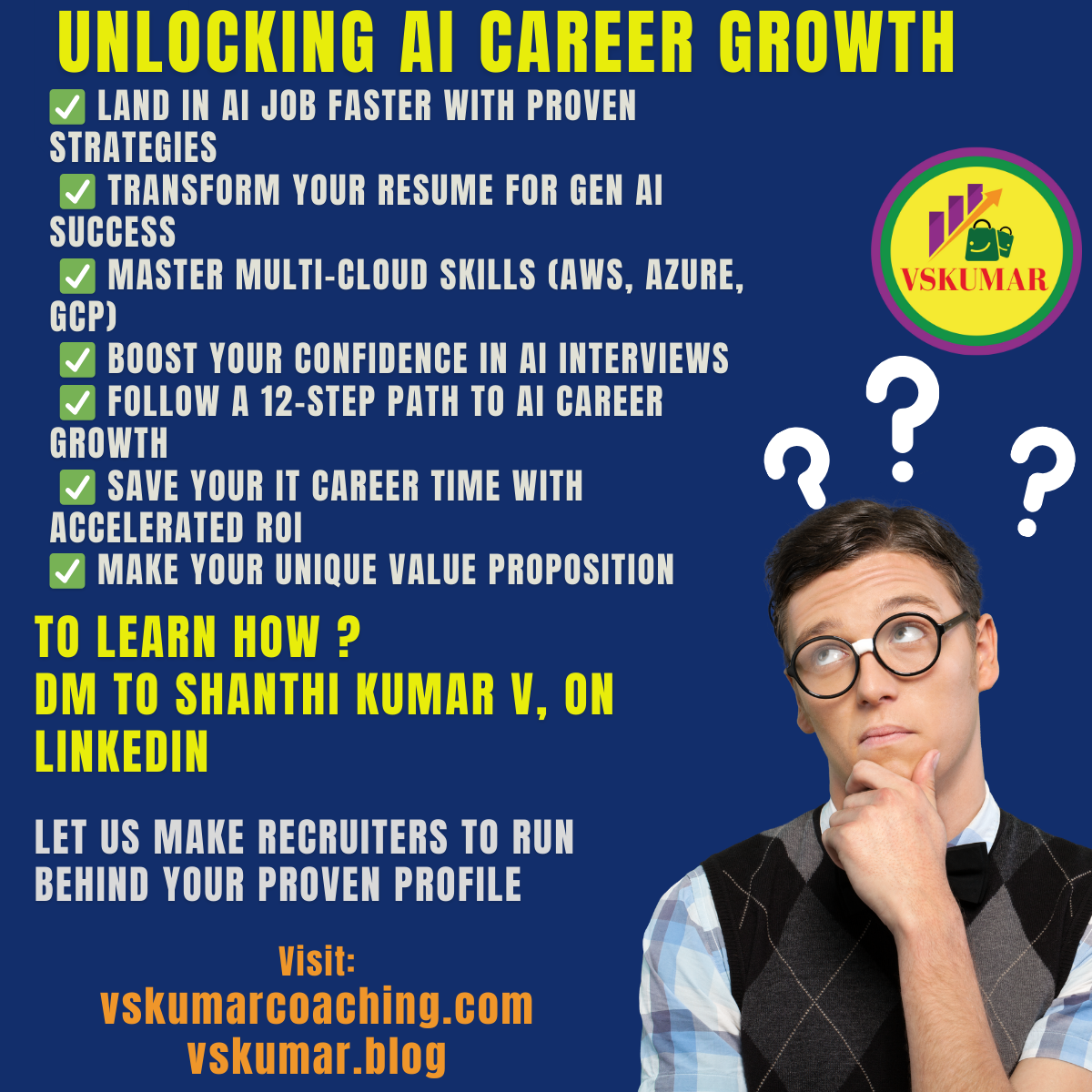


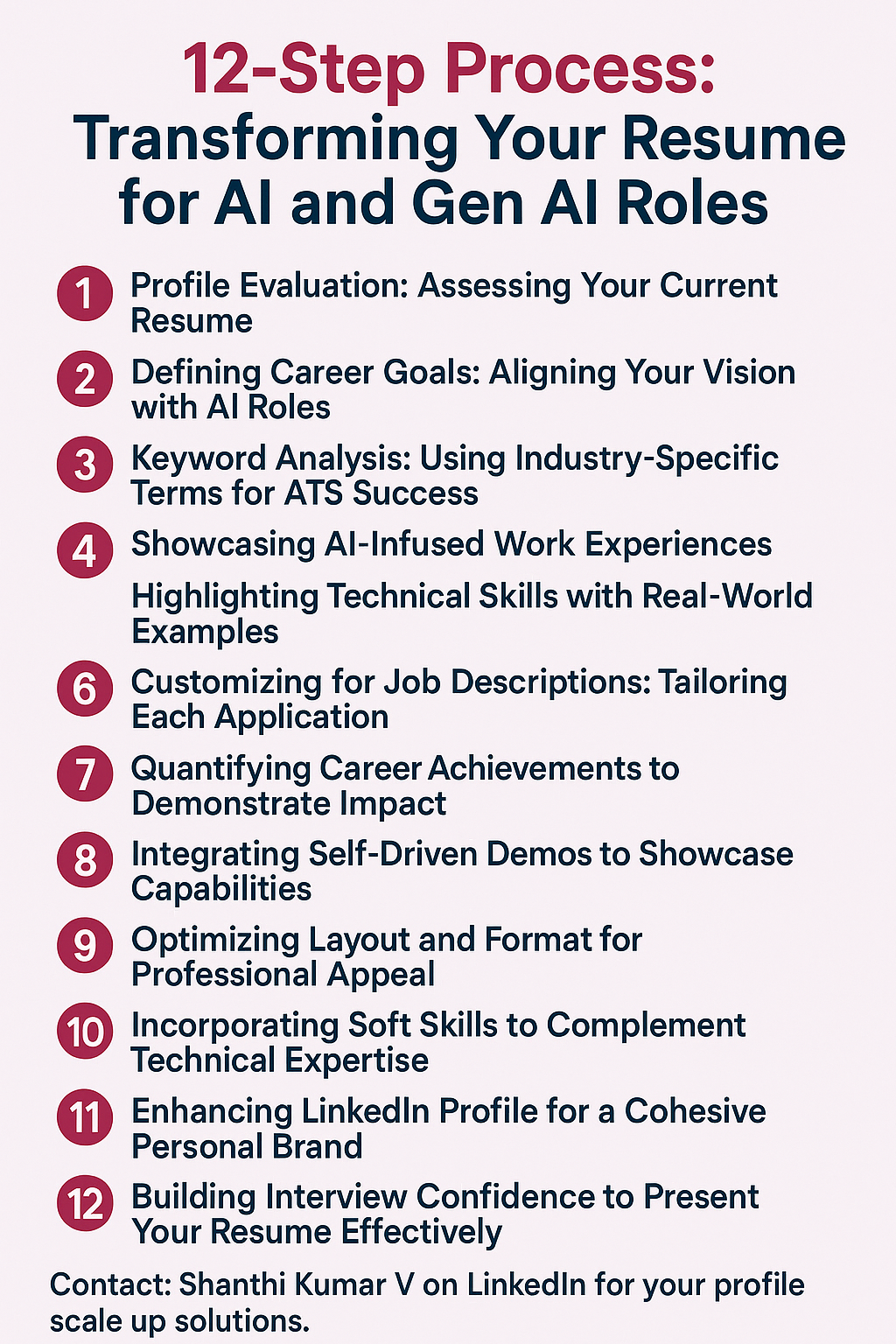
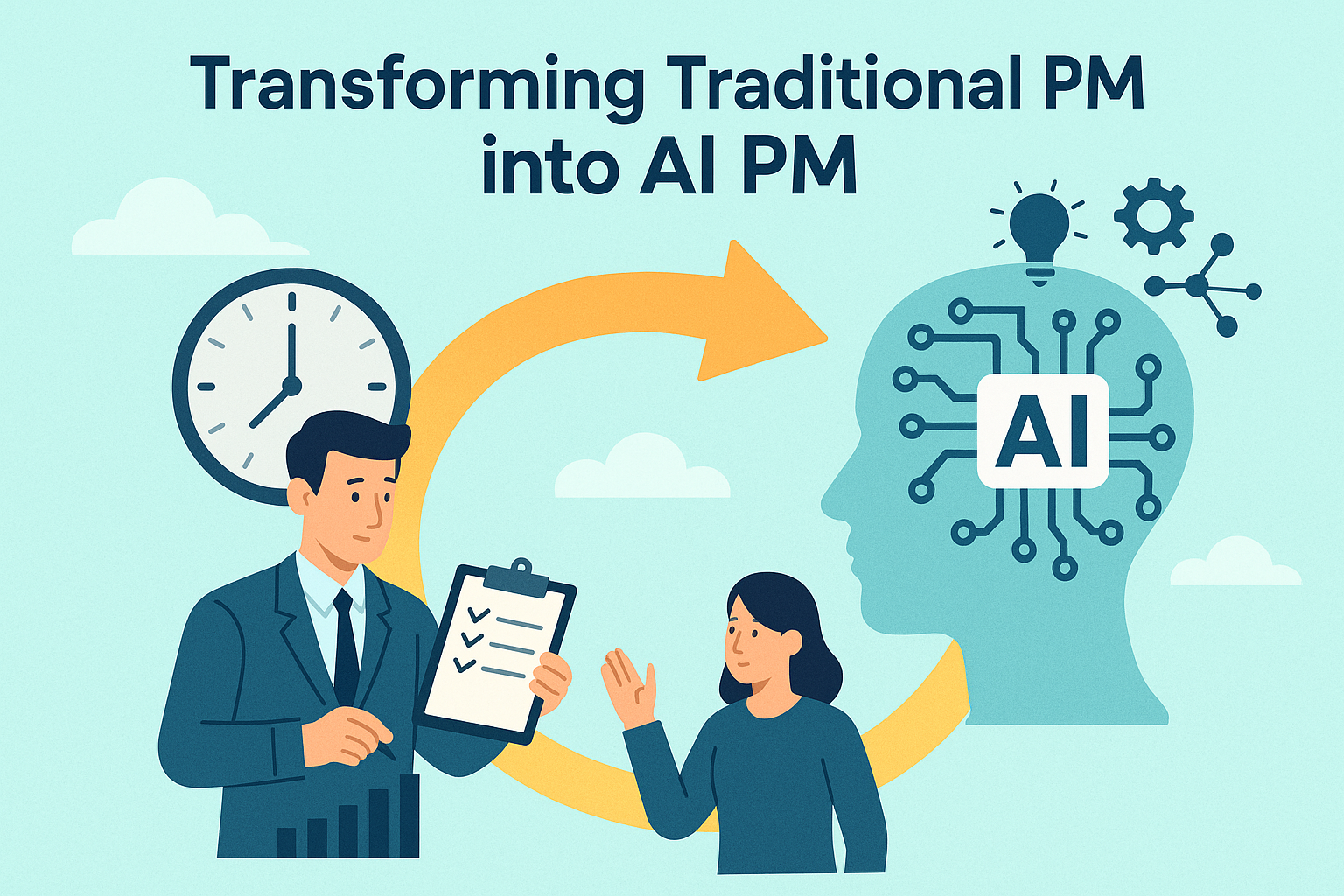



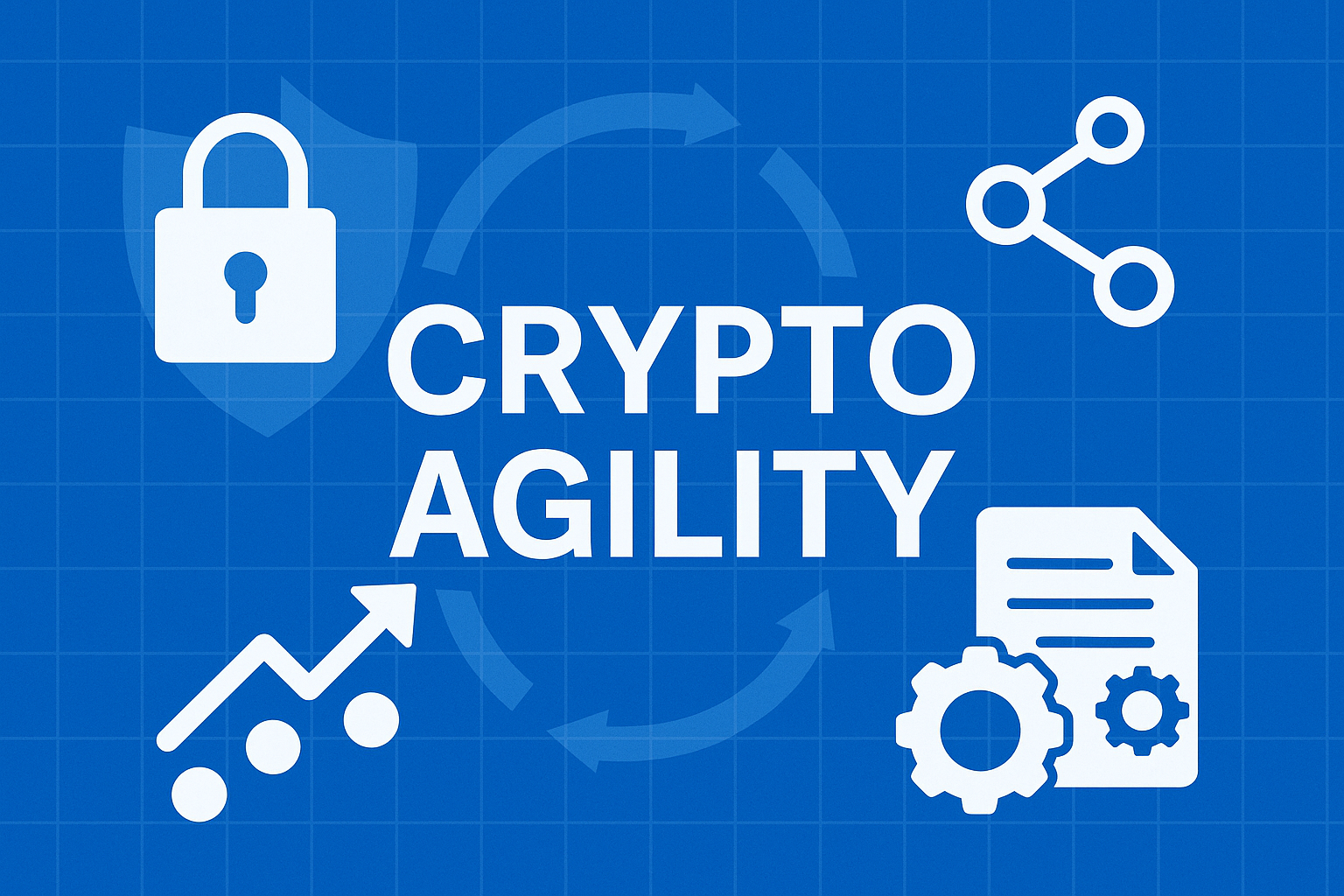









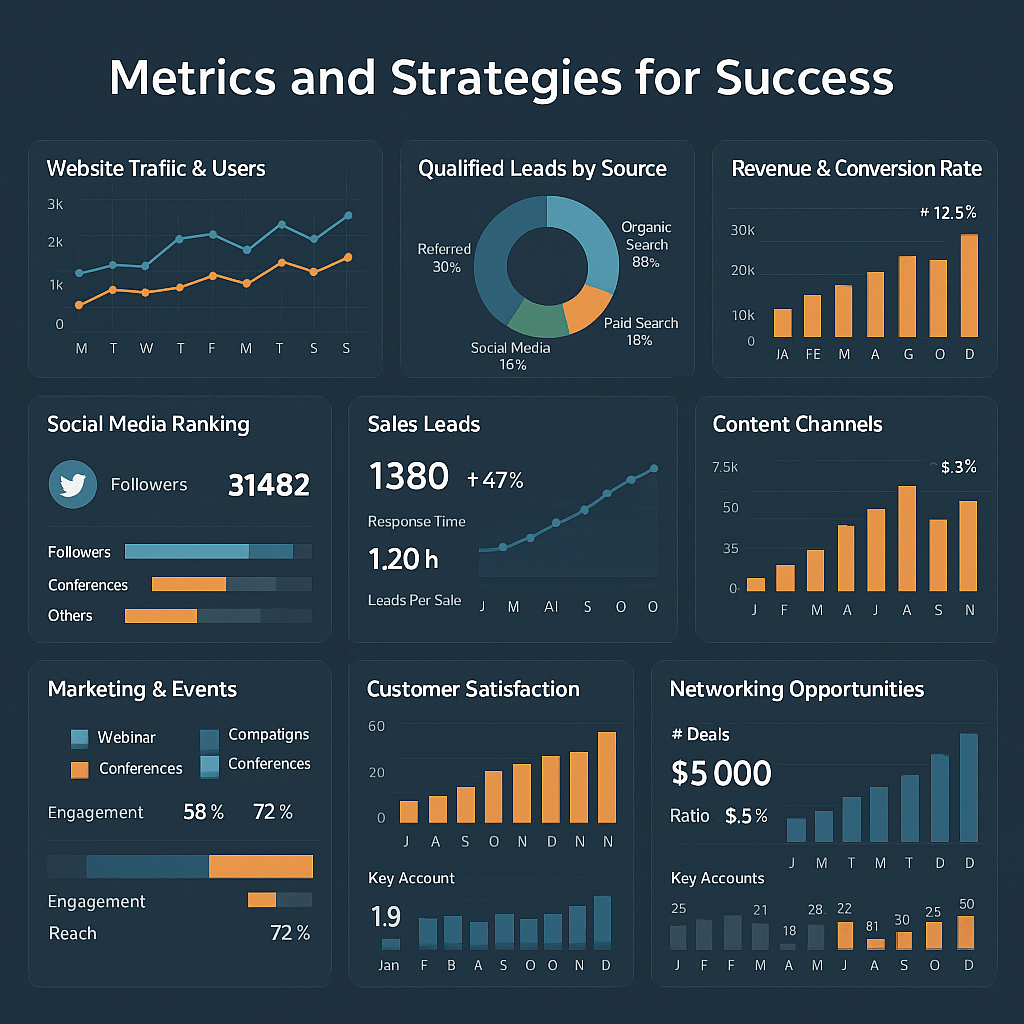
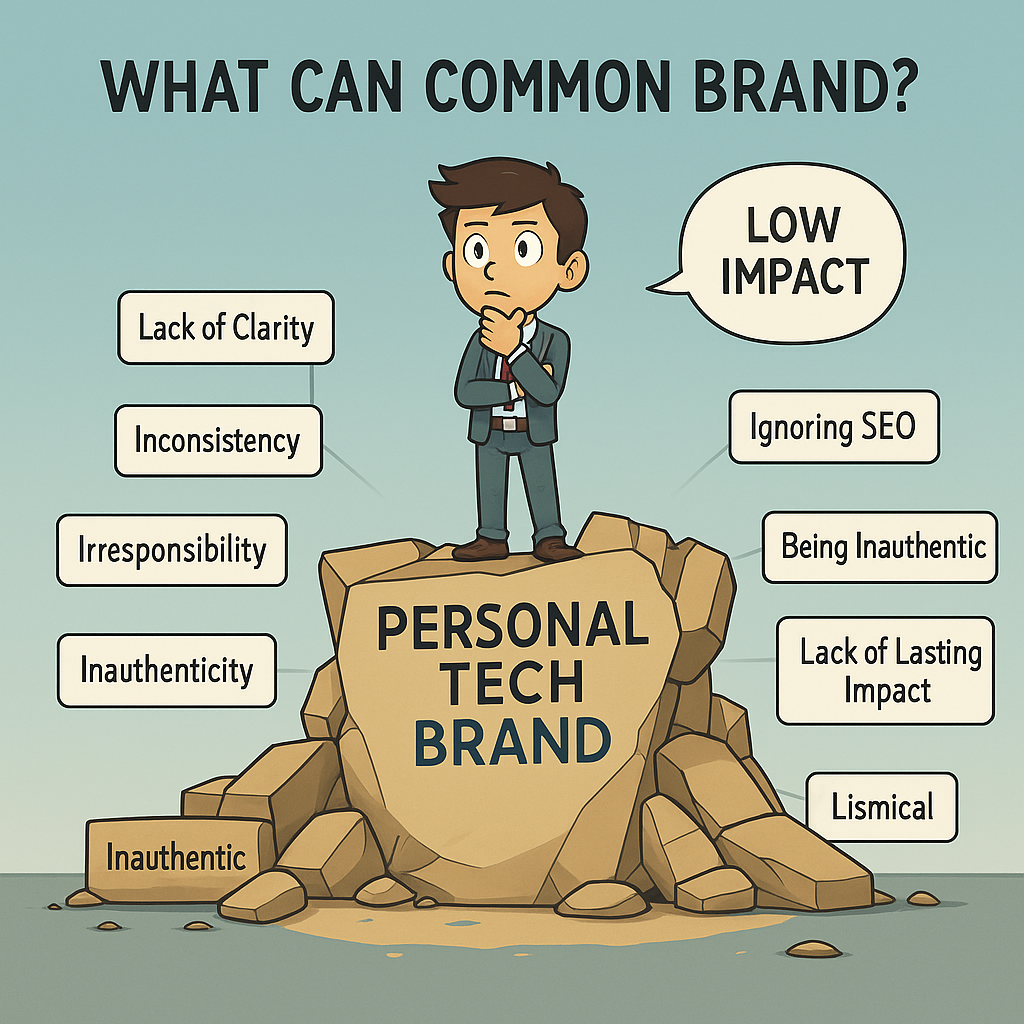

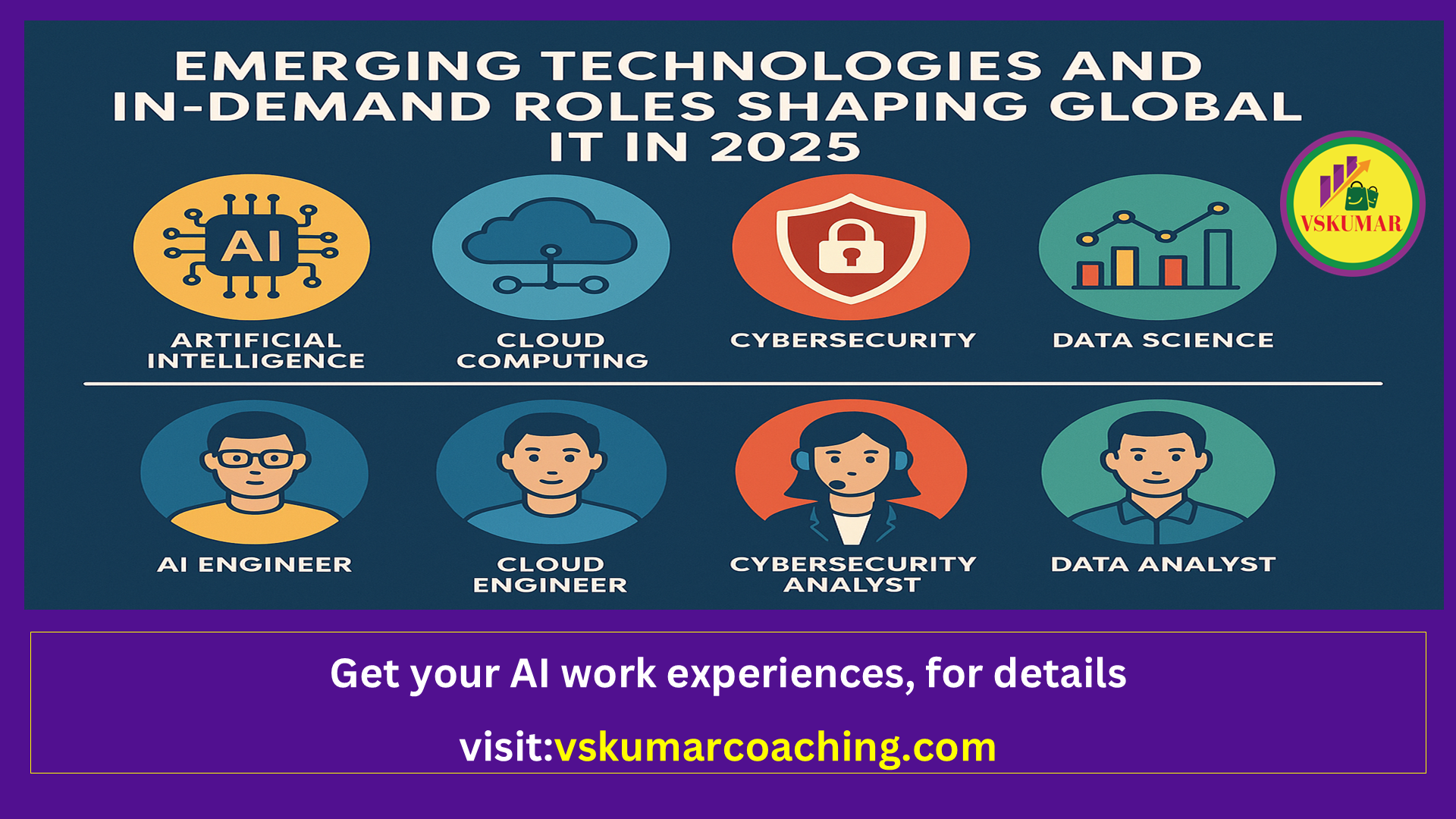
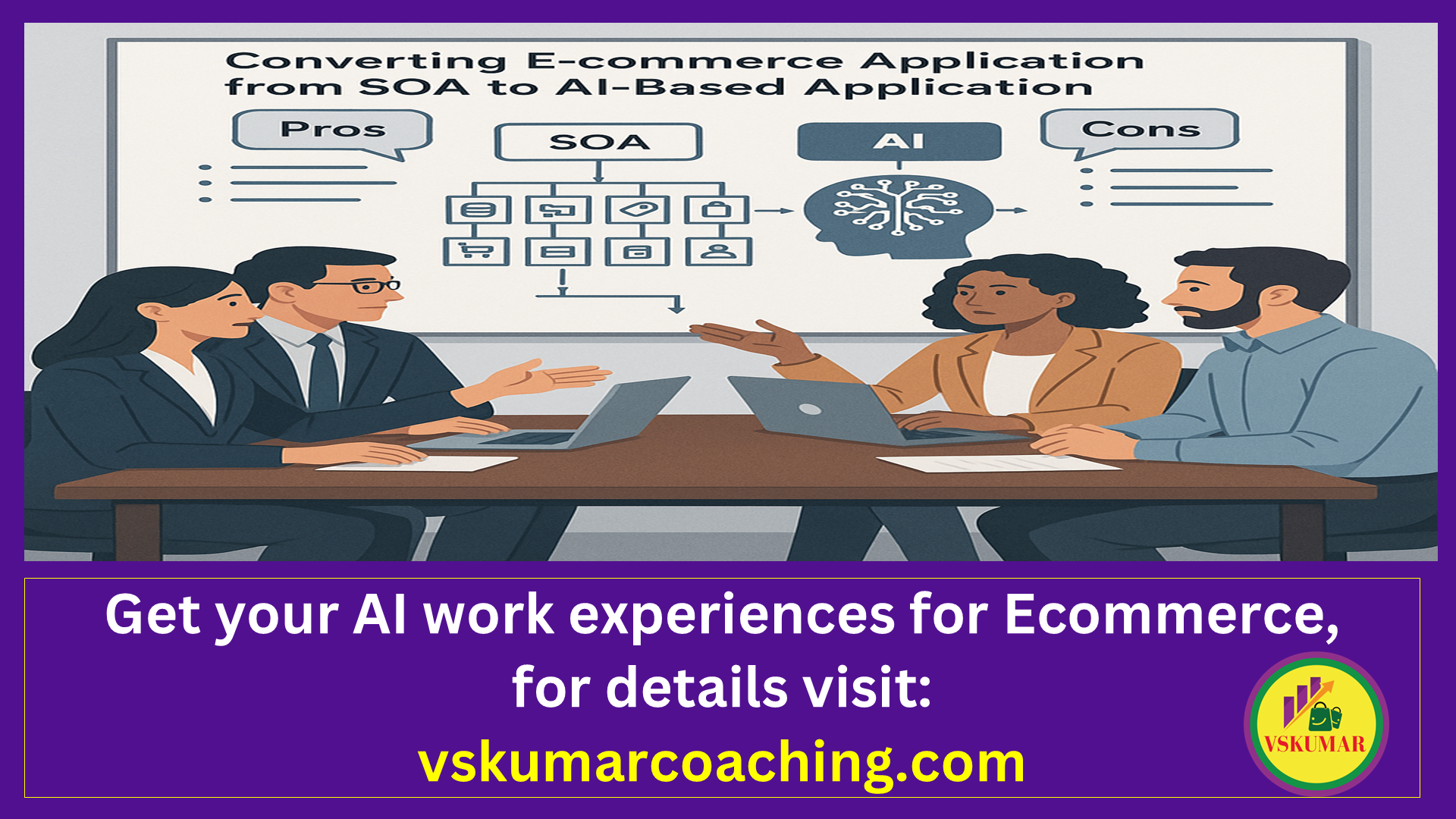
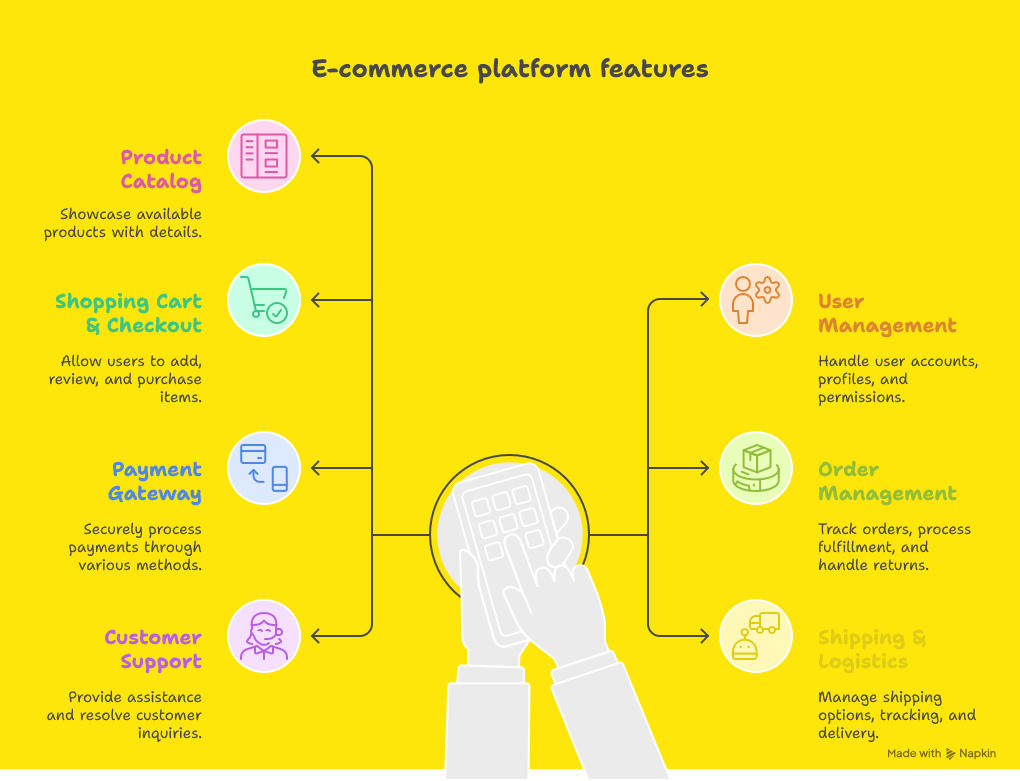
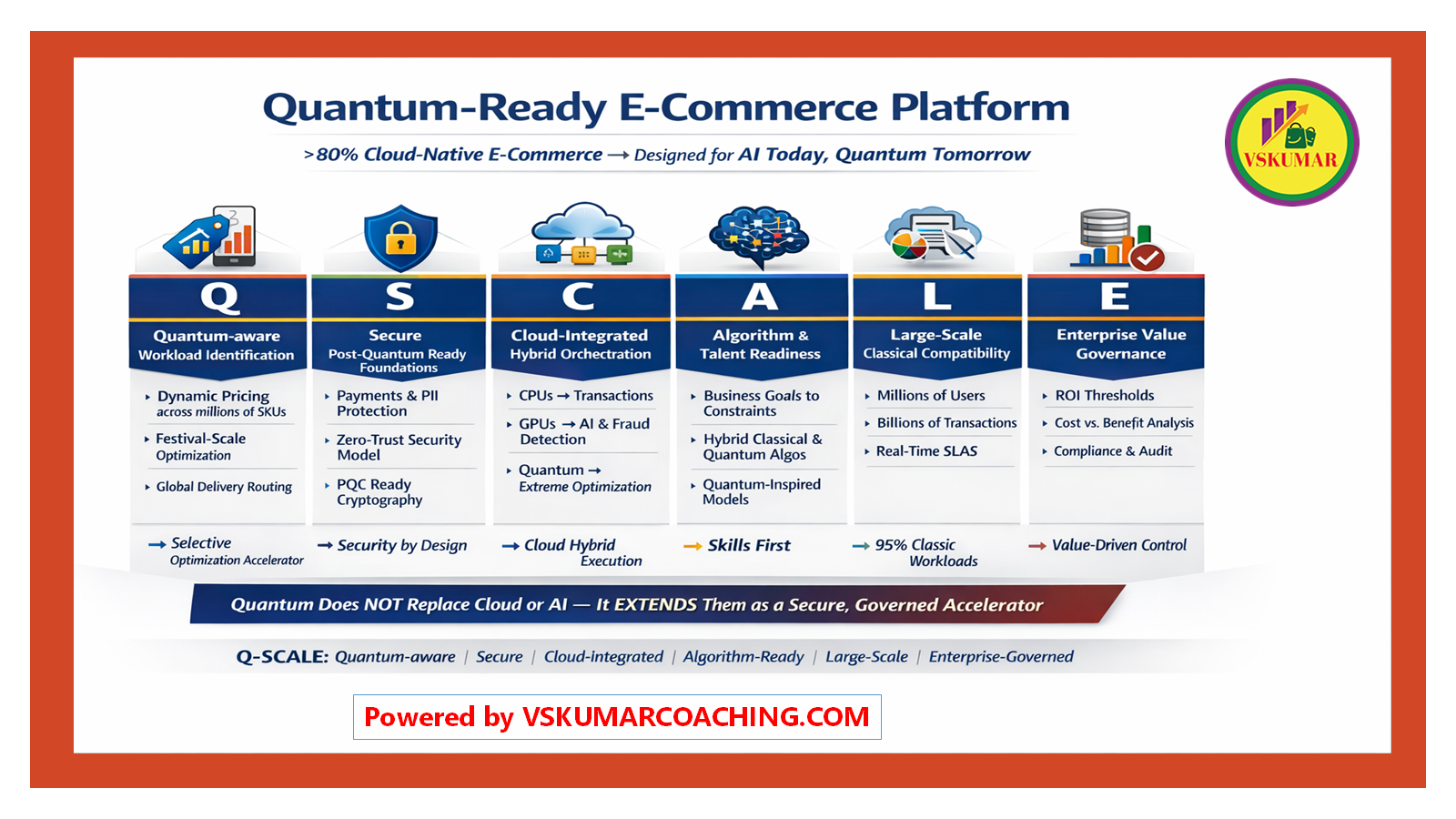

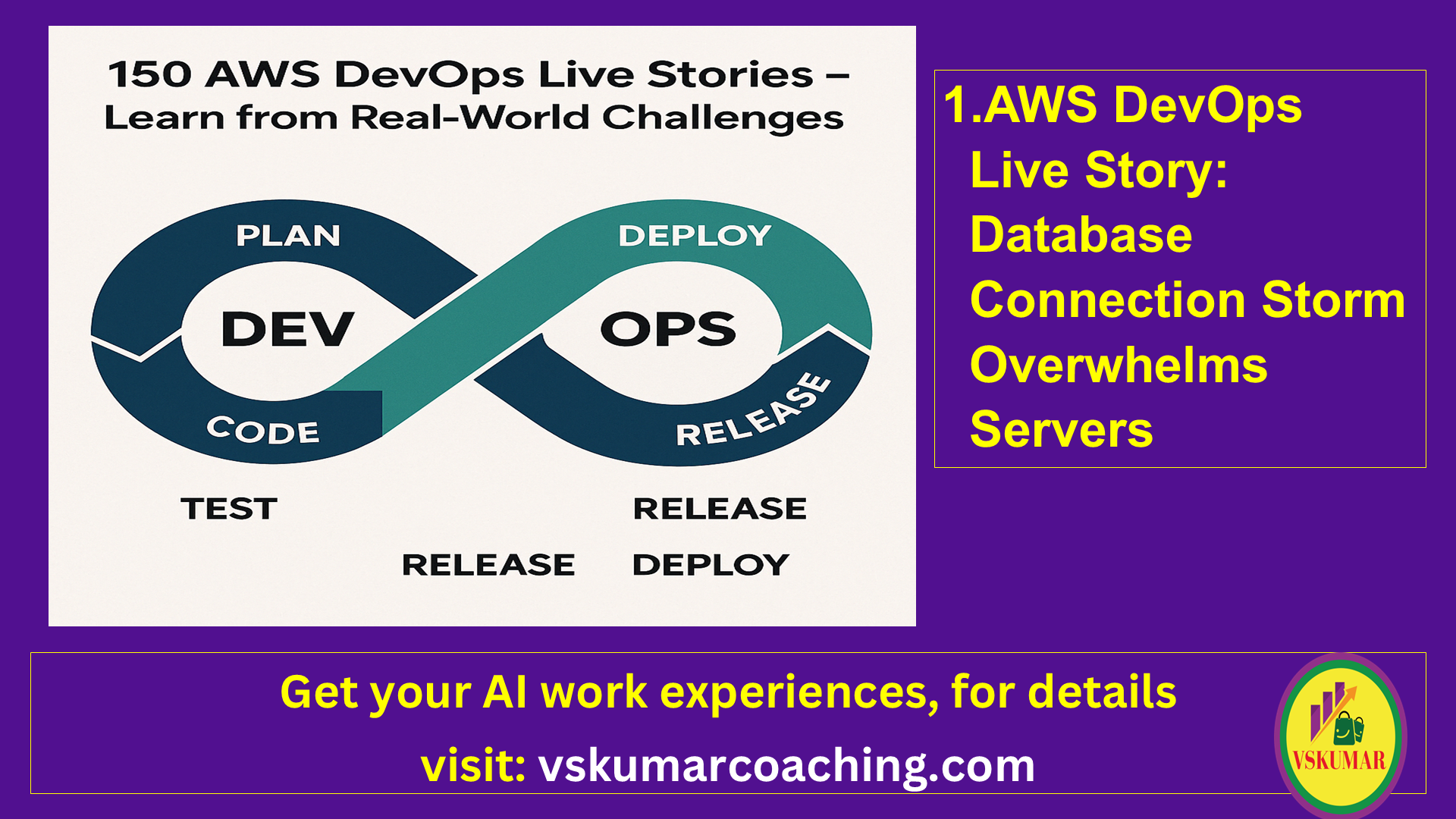

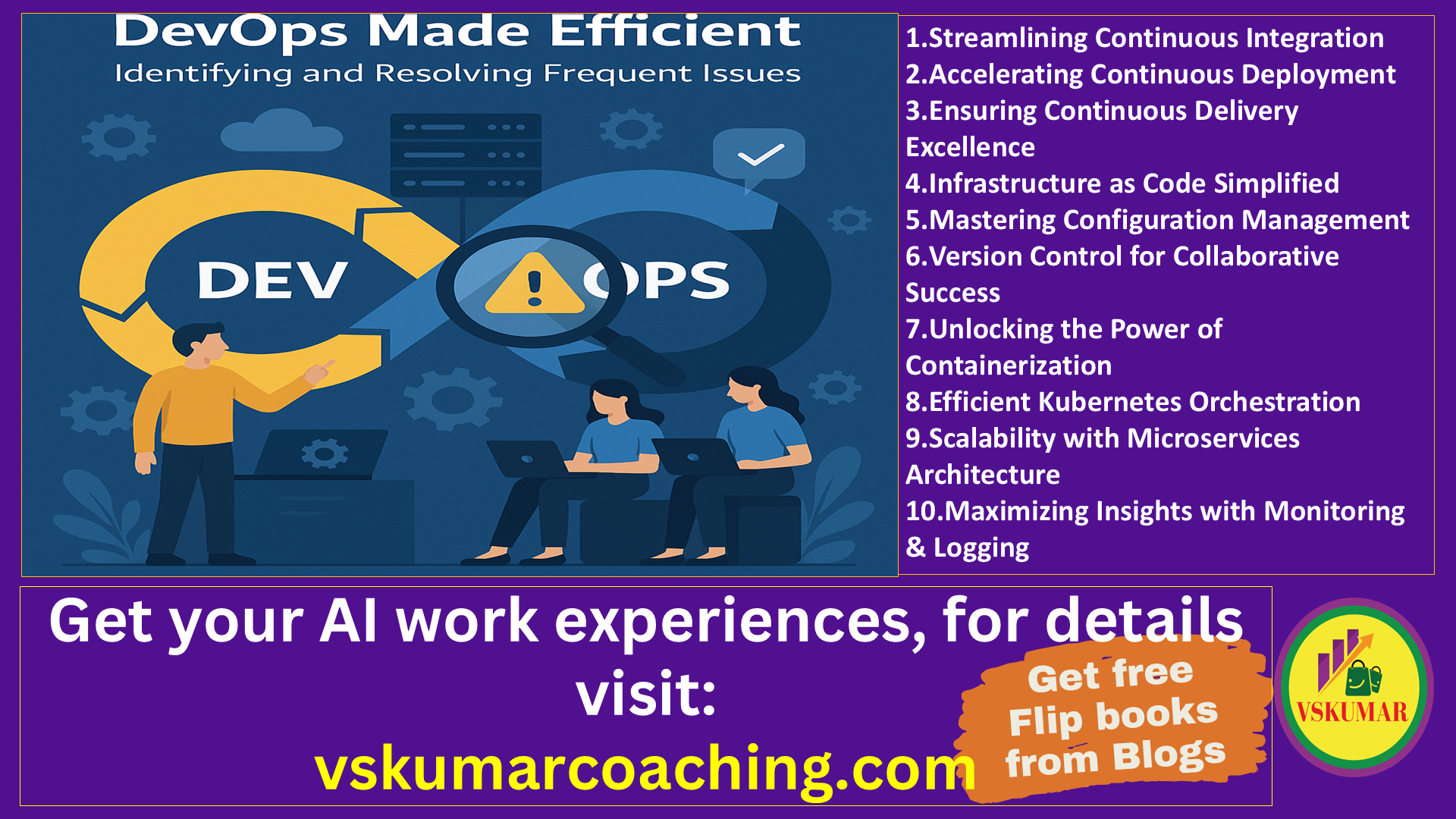
 Building Cloud/DevOps/AI/ML/Gen AI Architects