
Two Paths to Influence: Brand Building for Organizations and Individuals in Tech
Here are two stories illustrating how brand building differs for corporate companies and individual IT professionals:
Story 1: Building a Corporate Brand – “Innovate Solutions Inc.”
Innovate Solutions Inc. was a mid-sized IT company specializing in cloud migration services. They were good, but not particularly known. Their leadership recognized they needed a stronger brand to attract larger clients and top talent.
Their strategy focused on these key areas:
- Thought Leadership: They started a blog and webinar series focusing on the future of cloud computing, data security best practices, and emerging technologies. Their CTO became a regular speaker at industry conferences. The content was high-quality, vendor-neutral, and genuinely helpful.
- Case Studies: They meticulously documented their successful cloud migration projects, highlighting the specific challenges they overcame and the measurable benefits their clients achieved. These case studies were prominently featured on their website and used in sales presentations.
- Corporate Social Responsibility (CSR): They partnered with a local non-profit to provide IT training to underprivileged youth. This initiative not only benefited the community but also showcased their commitment to social impact.
- Consistent Visual Identity: They invested in a modern logo, a consistent color palette, and professional website design. All marketing materials, from business cards to trade show booths, reflected a unified and polished brand.
- Employee Advocacy: They encouraged their employees to share company updates and insights on their own social media channels. They provided employees with training and resources to become brand ambassadors.
Over time, Innovate Solutions Inc. became recognized as a leader in cloud migration. Their brand attracted larger, more complex projects, and they were able to recruit top talent who were drawn to their innovative culture and commitment to social responsibility.

Story 2: Building a Personal Brand – “Anya Sharma, Cloud Security Specialist”
Anya Sharma was a highly skilled cloud security specialist with five years of experience. She wanted to attract the attention of leading IT companies for senior roles, but her resume alone wasn’t cutting it. She decided to build her personal brand.
Anya’s strategy was different, focusing on:
- Niche Expertise: She doubled down on her expertise in cloud security, specifically focusing on AWS security best practices. She became the go-to person for AWS security knowledge in her network. Through Job coaching work samples.
- Active Online Presence: She started a blog where she shared her insights on cloud security threats, vulnerabilities, and mitigation strategies. She also became active on LinkedIn, sharing articles, commenting on industry news, and engaging in relevant discussions.
- Open-Source Contributions: She contributed to open-source security projects, showcasing her technical skills and willingness to collaborate.
- Networking: She attended industry meetups and conferences, actively engaging with other professionals and sharing her knowledge. She made sure to follow up with everyone she met.
- Certifications: She obtained advanced AWS security certifications to validate her expertise and demonstrate her commitment to continuous learning.
Through consistent effort, Anya became a recognized expert in cloud security. Recruiters from top IT companies started reaching out to her directly, and she was able to land a dream role with a company that valued her expertise and contributions.
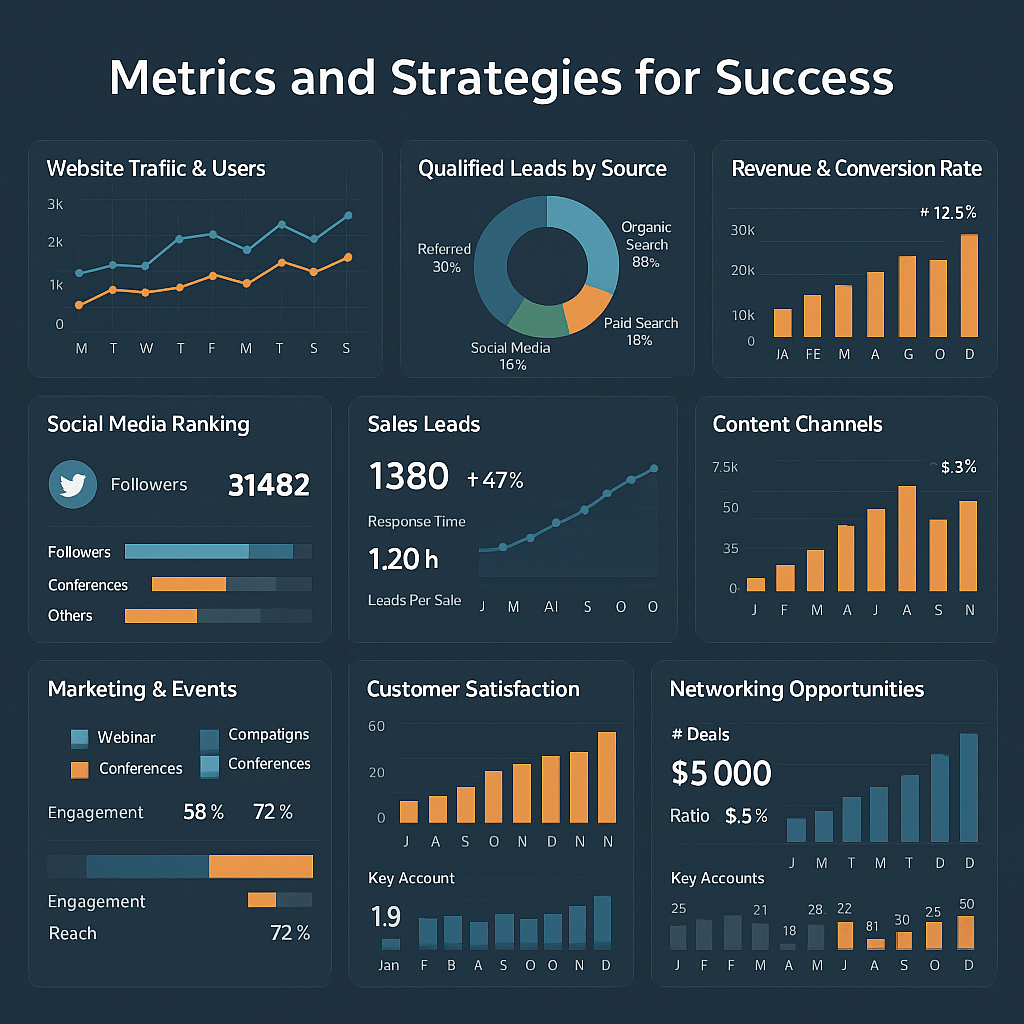
Here’s how individual IT professionals can measure the success of their personal branding efforts:Measuring the success of personal branding isn’t always straightforward, but here are some key metrics and indicators IT professionals can track:
- Increased Website/Blog Traffic: Use tools like Google Analytics to monitor traffic to your personal website or blog. Look for trends in page views, unique visitors, and time spent on site. A consistent increase indicates that your content is resonating with your target audience.
- Social Media Engagement: Track your follower count, likes, shares, comments, and mentions on platforms like LinkedIn, Twitter, and GitHub. High engagement suggests that your content is valuable and attracting attention. Pay attention to the quality of the engagement – are people asking insightful questions or sharing your content with their networks?
- Search Engine Ranking: Monitor your search engine ranking for relevant keywords related to your expertise. If your personal brand is strong, your website or social media profiles should appear prominently in search results when people search for those keywords. Use tools like SEMrush or Ahrefs to track your ranking.
- Inbound Leads and Opportunities: Are you receiving more inquiries for freelance work, consulting engagements, or job opportunities? Track the number of inbound leads you receive and the source of those leads. If your personal branding efforts are effective, you should see an increase in relevant opportunities.
- Speaking Invitations and Media Mentions: Are you being invited to speak at industry events or being quoted in media articles? These are strong indicators that you’re being recognized as an expert in your field.
- Networking Opportunities: Are you finding it easier to connect with other professionals in your industry? Are you receiving more invitations to join exclusive groups or attend industry events? A strong personal brand can open doors to valuable networking opportunities.
- Client Acquisition and Revenue Growth (for freelancers/consultants): For those who are self-employed, track your client acquisition rate and revenue growth. A successful personal brand can attract new clients and increase your earning potential.
- Job Offers and Salary Negotiations (for employees): If you’re looking for a new job, track the number of job offers you receive and your ability to negotiate a higher salary. A strong personal brand can give you a competitive edge in the job market.
- Qualitative Feedback: Don’t underestimate the value of qualitative feedback. Ask colleagues, clients, or mentors for their honest opinions on your personal brand. What do they think are your strengths and weaknesses? What could you do to improve your brand?
- Conversion Rates: Track how many people who visit your website or social media profiles actually take a desired action, such as subscribing to your newsletter, downloading a resource, or contacting you for a consultation.
Remember to set clear goals for your personal branding efforts and track your progress regularly. Analyze the data to identify what’s working and what’s not, and adjust your strategy accordingly.
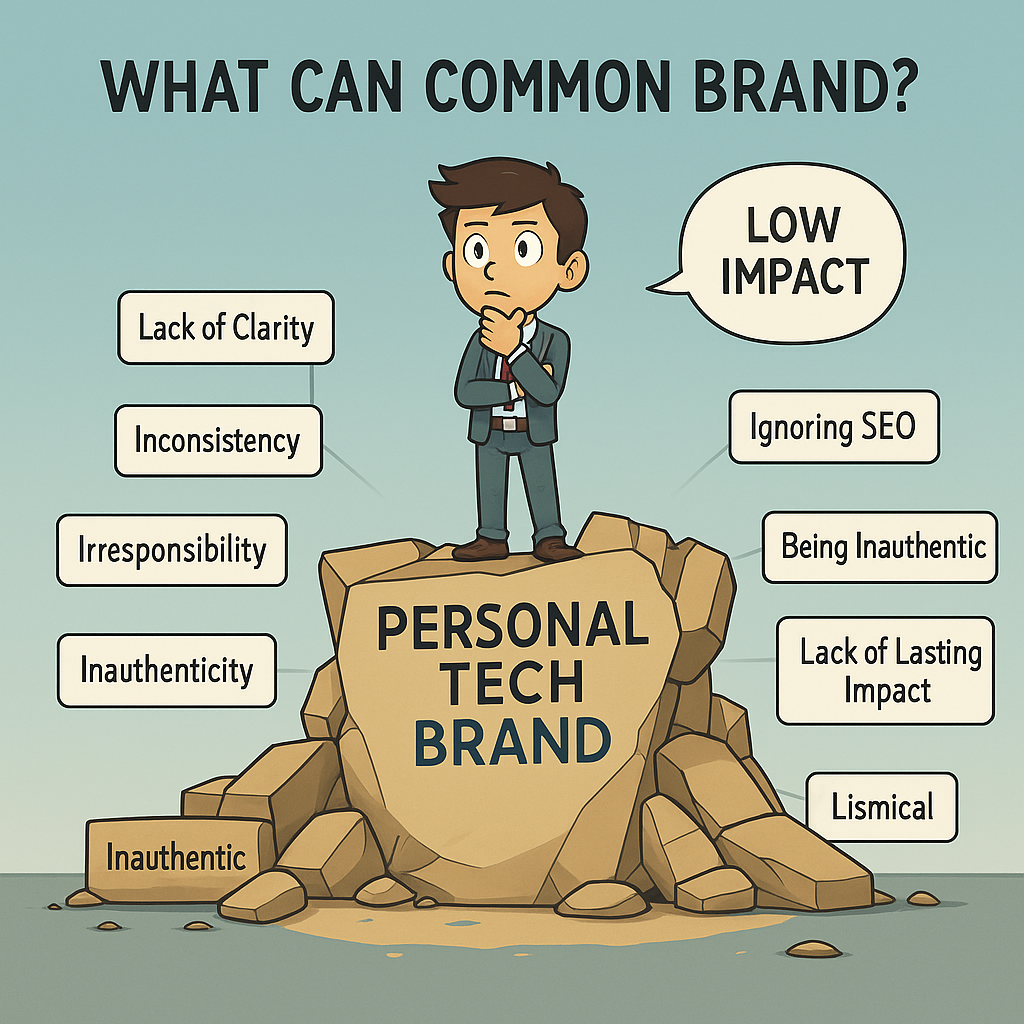
Here are some common mistakes people make when building their personal brand:
- Lack of Clarity: Not defining your target audience, niche, or unique value proposition. Without a clear understanding of who you’re trying to reach and what you offer, your branding efforts will be scattered and ineffective.
- Inconsistency: Inconsistent messaging, visuals, or tone across different platforms. This can confuse your audience and make you appear unprofessional.
- Neglecting Online Presence: Failing to create or maintain a professional website or social media profiles. In today’s digital world, your online presence is often the first impression people have of you.
- Ignoring SEO: Not optimizing your website and social media profiles for search engines. This makes it harder for people to find you when they’re searching for information related to your expertise.
- Not Engaging: Failing to interact with your audience on social media or respond to comments and messages. Building a personal brand is about building relationships, so engagement is crucial.
- Being Too Generic: Not differentiating yourself from the competition. What makes you unique? What specific skills or experiences do you have that set you apart?
- Being Inauthentic: Trying to be someone you’re not. Authenticity is key to building trust and credibility.
- Neglecting Networking: Not attending industry events or connecting with other professionals in your field. Networking can help you build relationships, learn from others, and expand your reach.
- Ignoring Feedback: Not soliciting or acting on feedback from others. Feedback can help you identify areas for improvement and refine your branding strategy.
- Impatience: Expecting overnight success. Building a personal brand takes time and effort. Be patient, persistent, and focus on providing value to your audience.
- Not Measuring Results: Failing to track your progress and measure the results of your branding efforts. Without data, it’s difficult to know what’s working and what’s not.
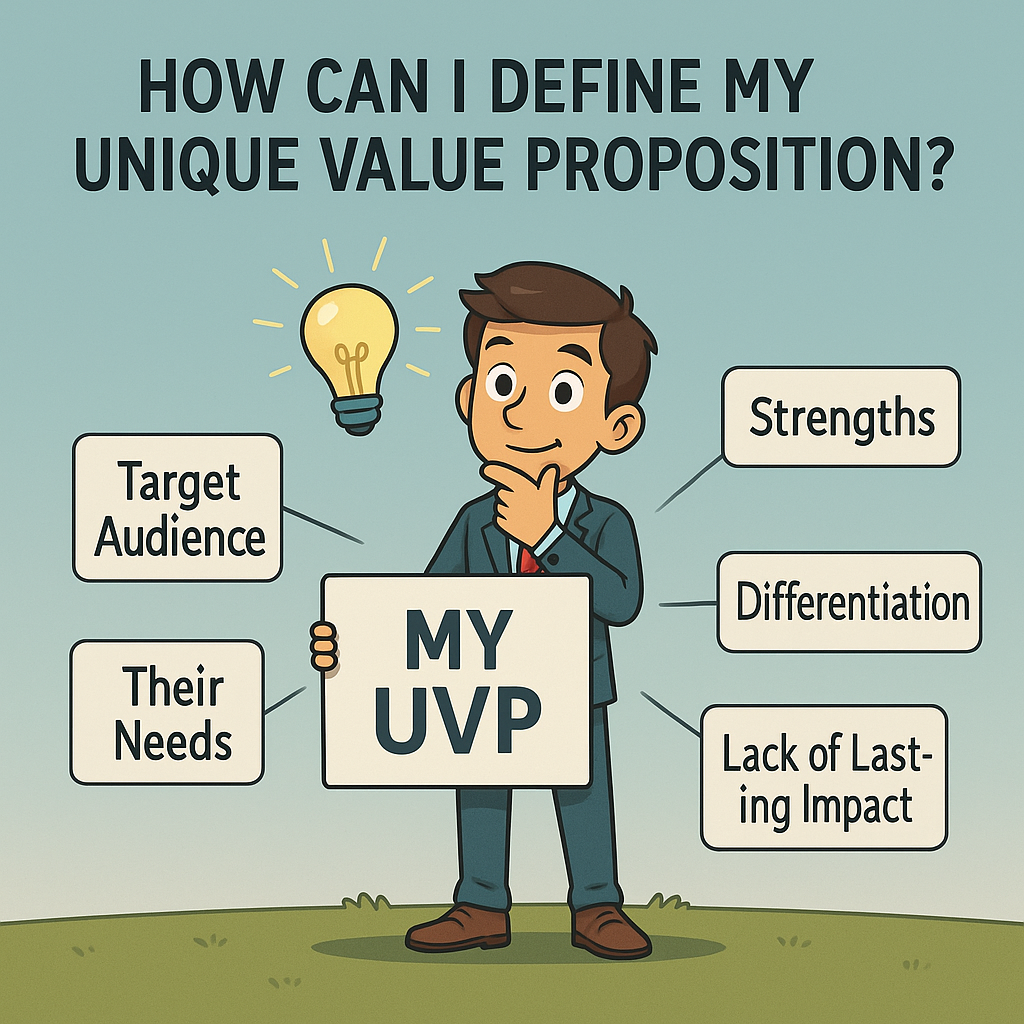
How can I define my unique value proposition?
Defining your unique value proposition (UVP) is crucial for building a strong personal brand. Here’s a breakdown of how to do it, including a process and some helpful questions:
What is a Unique Value Proposition?
Your UVP is a clear statement that describes the benefit of your offer, how you solve your customer’s needs, and what distinguishes you from the competition. It’s not a slogan or a mission statement. It’s a specific reason why someone should choose you.
The Process:
- Identify Your Target Audience: Who are you trying to reach? Be specific. “IT professionals” is too broad. Are you targeting cloud architects, cybersecurity analysts, or DevOps engineers? Knowing your audience is the foundation.
- Understand Their Needs and Pain Points: What problems are your target audience facing? What are their goals, challenges, and frustrations? Conduct research, read industry blogs, participate in online forums, and even talk to people in your target audience.
- List Your Skills and Expertise: What are you exceptionally good at? What skills and knowledge do you possess that can solve your target audience’s problems? Be honest and realistic.
- Connect Your Skills to Their Needs: This is the crucial step. How do your skills and expertise directly address your target audience’s needs and pain points? Translate your skills into tangible benefits.
- Identify Your Differentiators: What makes you different from other IT professionals offering similar services? Do you have specialized knowledge, unique experience, or a particular approach that sets you apart?
- Craft Your UVP Statement: Use the information you’ve gathered to create a concise and compelling statement that answers the following questions:
- Who: Who is your target audience?
- What: What do you offer them? (What problem do you solve?)
- How: How do you solve their problem? (What are your key skills/expertise?)
- Why: Why should they choose you over the competition? (What makes you unique?)
Helpful Questions to Ask Yourself:
- What are the top 3-5 skills I’m most confident in?
- What problems do I consistently solve for others?
- What positive feedback have I received from clients or colleagues?
- What are my competitors doing well? What are they doing poorly?
- What’s my unique perspective or approach to solving problems?
- What’s the one thing I want people to remember about me?
Examples:
- Generic: “I’m a software developer.”
- Better: “I help small businesses automate their workflows with custom-built web applications.”
- Even Better (UVP): “I help small businesses struggling with manual processes automate their workflows with custom-built, scalable web applications, freeing up their time to focus on growing their business. Unlike generic software solutions, my applications are tailored to their specific needs and integrate seamlessly with their existing systems.”
Tips:
- Be specific: Avoid vague language.
- Focus on benefits: Highlight the results you deliver, not just the services you offer.
- Keep it concise: Aim for a statement that’s easy to understand and remember.
- Test and refine: Get feedback from others and iterate on your UVP until it resonates with your target audience.
Can you give me more examples of UVPs for different IT roles?
here are more examples of Unique Value Propositions (UVPs) tailored for different IT roles:
1. Cybersecurity Analyst:
- UVP: “I help small to medium-sized businesses (SMBs) protect their sensitive data and prevent costly cyberattacks by providing proactive threat detection, vulnerability assessments, and incident response plans. Unlike generic security solutions, I offer personalized guidance and hands-on support to help SMBs understand their specific risks and implement effective security measures.”
2. Cloud Architect:
- UVP: “I help businesses migrate to the cloud and optimize their cloud infrastructure to improve scalability, reduce costs, and enhance performance. Unlike cloud vendors who push specific solutions, I provide vendor-neutral consulting and design cloud solutions that are tailored to each business’s unique needs and budget.”
3. DevOps Engineer:
- UVP: “I help software development teams accelerate their release cycles and improve the quality of their software by implementing DevOps practices and automating their build, test, and deployment processes. Unlike traditional DevOps consultants, I focus on building a collaborative culture and empowering teams to own the entire software delivery pipeline.”
4. Data Scientist:
- UVP: “I help organizations unlock the power of their data by building machine learning models and developing data-driven insights that improve decision-making and drive business growth. Unlike generic data analytics services, I specialize in [Specific Industry – e.g., healthcare] and have a proven track record of delivering actionable insights that lead to measurable results.”
5. Network Engineer:
- UVP: “I help businesses build and maintain reliable, secure, and high-performance networks that support their critical business applications. Unlike large networking companies, I provide personalized support and proactive monitoring to ensure that networks are always running smoothly and efficiently.”
6. IT Project Manager:
- UVP: “I help organizations successfully deliver complex IT projects on time, within budget, and to the required quality standards by providing experienced leadership, effective communication, and meticulous planning. Unlike inexperienced project managers, I have a proven track record of managing diverse IT projects and mitigating risks to ensure successful outcomes.”
7. Front-End Developer:
- UVP: I help businesses create engaging and user-friendly websites and web applications that attract and convert customers by building intuitive user interfaces and optimizing the user experience. Unlike developers who focus solely on functionality, I prioritize usability and design to create websites that are both beautiful and effective.”

a few seconds ago
 Building Cloud/DevOps/AI/ML/Gen AI Architects