Daily Archives: June 9, 2025

How to build AI-Powered Data Analysis Agent

Solution Specification – AI-Powered Data Analysis Agent

Overview

The AI-driven Data Analysis Agent is designed to process large datasets, identify trends, and generate insights for strategic decision-making. The system automates data cleaning, visualization, and predictive modeling, enhancing efficiency and reducing manual effort.


Scenario 1: AI-Powered Customer Analytics for E-Commerce

1. Problem Statement

E-commerce businesses often struggle with understanding customer preferences and predicting sales trends. Manual data analysis takes time and may result in inaccurate insights.

2. Proposed AI Agent Solution

An AI-driven Customer Behavior Analysis Agent that:

  • Aggregates customer purchase history, browsing patterns, and engagement data.
  • Performs sentiment analysis on product reviews to assess satisfaction levels.
  • Uses machine learning to segment customers based on shopping habits.
  • Generates predictive sales insights to anticipate demand fluctuations.

3. Technical Specification

  • Data Sources: Website traffic logs, CRM systems, payment transaction databases.
  • Processing Engine: Python-based frameworks (Pandas, NumPy) and Azure AI tools.
  • ML Models: Customer clustering (K-Means), predictive sales forecasting (LSTM neural networks).
  • Visualization Tools: Power BI for dynamic dashboards and trend analysis.

4. Live Scenario Implementation

Retail Company X integrates the AI agent into its e-commerce analytics system:

  • The agent analyzes past purchase trends and identifies peak shopping seasons.
  • Sentiment analysis reveals which products need improvement based on customer feedback.
  • Predictive models suggest personalized discount offers for high-value customers.
  • The system provides real-time insights to optimize inventory and prevent stock shortages.

5. Benefits

✔ Improves customer experience with personalized recommendations.
✔ Reduces inventory waste by predicting demand effectively.
✔ Automates data processing, saving manpower and time.


Scenario 2: AI-Based Financial Fraud Detection for Banking

1. Problem Statement

Banks face difficulties in detecting fraudulent transactions due to high volumes of financial data. Traditional fraud detection methods rely on predefined rules, missing evolving fraud patterns.

2. Proposed AI Agent Solution

An AI-powered Fraud Detection & Risk Assessment Agent that:

  • Analyzes real-time transaction data for anomalies.
  • Flags suspicious activities using behavioral analysis and fraud pattern detection.
  • Learns dynamically from new fraud cases to enhance detection accuracy.
  • Generates risk alerts and automated compliance reports.

3. Technical Specification

  • Data Sources: Transaction logs, banking APIs, credit card purchase records.
  • Processing Engine: Big data processing with Apache Spark and SQL-based analysis.
  • ML Models: Anomaly detection (Isolation Forest), fraud classification (Random Forest).
  • Integration: Connects to banking security systems via REST APIs.

4. Live Scenario Implementation

Bank Y deploys the AI fraud detection system across its financial transactions:

  • The agent detects unusual spending patterns and flags potential fraud.
  • It analyzes location-based transactions to identify suspicious activity (e.g., rapid withdrawals across different cities).
  • AI alerts compliance teams automatically, improving response time for fraudulent cases.
  • The bank reduces fraud losses by adapting models dynamically based on new threats.

5. Benefits

✔ Improves fraud detection accuracy with AI-driven insights.
✔ Enhances security by identifying evolving fraud techniques.
✔ Reduces financial losses and increases customer trust.


Conclusion

These two AI agents—Customer Analytics for E-Commerce and Fraud Detection for Banking—demonstrate how AI-powered Data Analysis Agents can optimize decision-making, automate data insights, and enhance risk management.

To complement the AI-powered Data Analysis Agent, here’s a sample Database Specification for storing and managing data efficiently.

The Blog Discussion video:

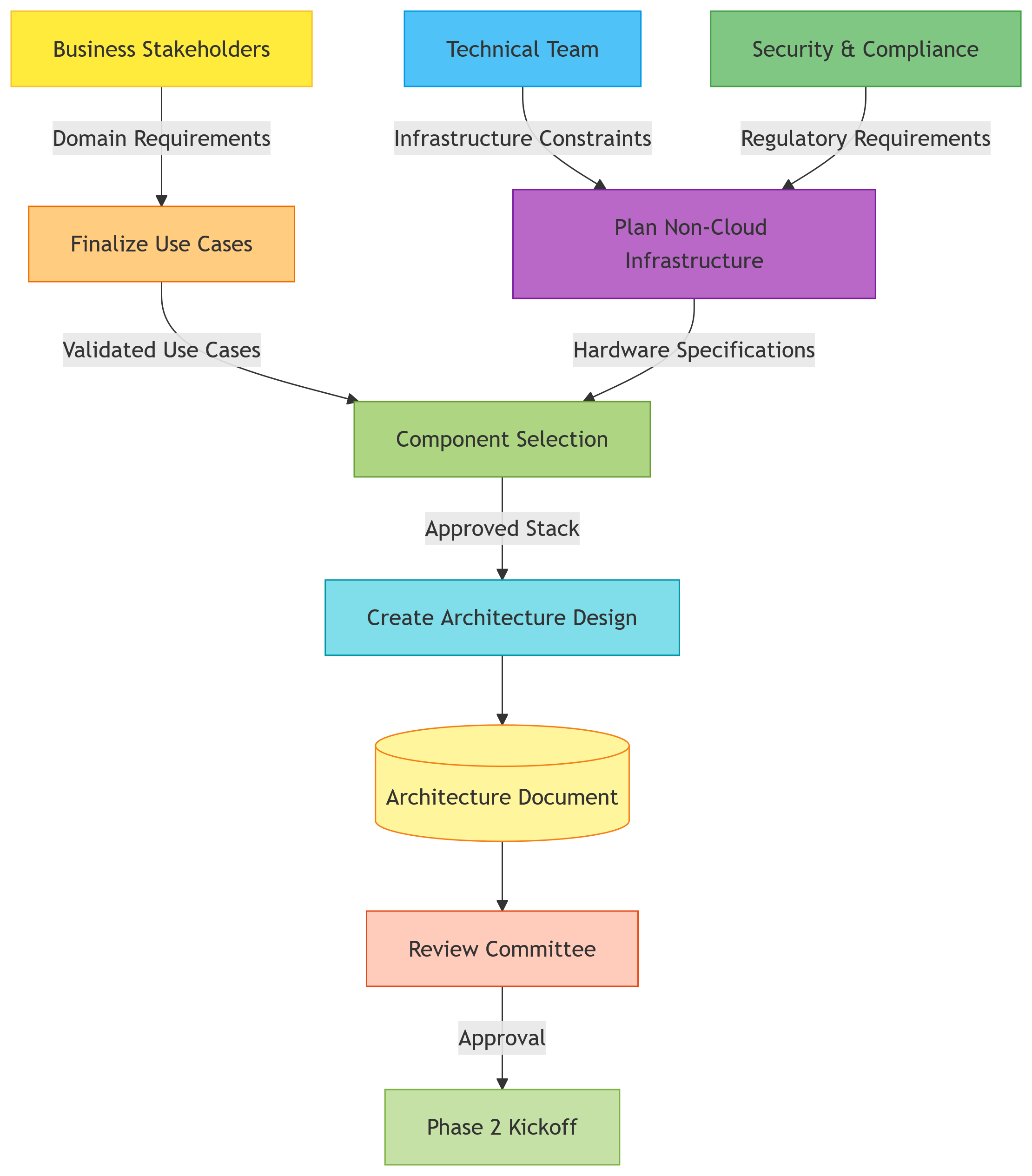
Learn How we built the Project planning/phases with Deep Seek Solution:

Deep Seek solution for Phases planning:

Sample Database Specifications for AI-Powered Data Analysis Agent

1. Database Type

  • Relational Database (SQL-based): Suitable for structured data (e.g., PostgreSQL, MySQL, SQL Server).
  • NoSQL Database (Document-based): For flexible, unstructured data (e.g., MongoDB, Elasticsearch).
  • Hybrid Approach: Combining structured and unstructured data storage.

2. Sample Database Schema

Below is a simplified schema for both scenarios:

Scenario 1: Customer Analytics for E-Commerce

Database Name: customer_analytics_db

Table NameFieldsData TypeDescription
customerscustomer_id (PK), name, email, location, gender, ageINT, VARCHAR, VARCHAR, VARCHAR, VARCHAR, INTStores user details
transactionstransaction_id (PK), customer_id (FK), date, total_amount, payment_methodINT, INT, DATE, DECIMAL, VARCHARStores purchase details
productsproduct_id (PK), name, category, price, stock_availableINT, VARCHAR, VARCHAR, DECIMAL, INTStores product details
customer_behaviorcustomer_id (FK), browsing_time, pages_visited, click_through_rateINT, TIME, INT, FLOATStores browsing behavior details
sentiment_analysisreview_id (PK), customer_id (FK), product_id (FK), review_text, sentiment_scoreINT, INT, INT, TEXT, FLOATStores sentiment analysis results

Scenario 2: Fraud Detection for Banking

Database Name: fraud_detection_db

Table NameFieldsData TypeDescription
transactionstransaction_id (PK), customer_id (FK), amount, location, transaction_type, timestampINT, INT, DECIMAL, VARCHAR, VARCHAR, TIMESTAMPStores transaction details
fraud_casescase_id (PK), transaction_id (FK), fraud_flag, risk_score, remarksINT, INT, BOOLEAN, FLOAT, TEXTStores fraud alerts and analysis
customer_accountscustomer_id (PK), account_number, account_type, balance, statusINT, VARCHAR, VARCHAR, DECIMAL, VARCHARStores customer banking details
device_activitydevice_id (PK), customer_id (FK), ip_address, device_type, last_seenINT, INT, VARCHAR, VARCHAR, TIMESTAMPStores device & login activity
alerts_logalert_id (PK), customer_id (FK), alert_type, severity, timestampINT, INT, VARCHAR, VARCHAR, TIMESTAMPLogs security warnings & notifications

3. Key Features

Indexing & Optimization – Ensures quick retrieval of patterns & insights.
Real-Time Data Processing – Supports immediate fraud detection & customer analytics.
Secure Access & Compliance – Adheres to financial & GDPR regulations.
Scalability – Can handle growing data volumes efficiently.

Here are some AI Design-related Interview Questions that can be used for a blog post focusing on AI Agent Development and Data Analysis Systems:

AI Agent Design – Interview Questions and Answers for Interviews

Certainly! Here are the answers to the 20 AI Design-related interview questions, covering aspects of AI agents, data analysis, system architecture, deployment, and integration.


AI Agent Design – Interview Questions and Answers

1. General AI Design Questions

  1. How do you approach designing AI agents that balance efficiency and adaptability?
    AI agents must be designed with modular architectures that allow customization and scalability. Using techniques like transfer learning and reinforcement learning, agents adapt to new environments without requiring extensive retraining.
  2. What are the key components required to build a scalable AI architecture?
    A scalable AI system needs:
    • Efficient data pipelines to handle large datasets
    • Cloud-based computing for scalability
    • Automated model retraining to stay updated
    • API-driven communication for integration with other systems
  3. How do you ensure AI models avoid biases when analyzing large datasets?
    • Implement fairness-aware machine learning techniques
    • Use diverse and representative training datasets
    • Regularly audit AI decisions for bias detection
    • Fine-tune models with ethical AI principles
  4. What role does data preprocessing play in AI system performance?
    Data preprocessing ensures clean, structured input for AI models, reducing noise and improving accuracy. Key steps include data normalization, outlier removal, and handling missing values.
  5. How do you integrate ethical considerations into AI-driven decision-making systems?
    • Establish transparent AI policies
    • Implement explainability models (e.g., SHAP or LIME)
    • Ensure human oversight in critical decisions
    • Follow legal frameworks like GDPR and AI governance laws

2. Data Analysis Agent-Specific Questions

  1. How can an AI-powered data analysis agent enhance business intelligence?
    AI agents automate data processing, identifying trends, anomalies, and predictive insights to assist decision-makers in refining strategies.
  2. What challenges arise when training AI models for real-time data processing?
    • Latency issues from continuous data streams
    • Handling incomplete or noisy real-time data
    • Balancing speed vs. accuracy in predictions
  3. How do AI agents differentiate between valuable insights and noise in big data analytics?
    • Feature selection algorithms help filter relevant data
    • Anomaly detection eliminates misleading trends
    • Statistical modeling refines data significance
  4. What techniques can be used to improve the accuracy of AI-generated predictions?
    • Hyperparameter tuning to optimize models
    • Ensemble learning combining multiple models
    • Cross-validation for robust model evaluation
  5. How do AI systems handle unstructured data, such as text and images, in analytics?
    AI models utilize:
  • Natural Language Processing (NLP) for text analysis
  • Computer Vision for image processing
  • Deep learning-based embeddings to structure raw data

3. System Architecture & Implementation

  1. What database structure is best suited for AI-driven analytics systems?
    Hybrid models combining SQL and NoSQL databases offer the best balance for structured and unstructured data storage.
  2. How do AI agents interact with cloud-based services for large-scale processing?
  • RESTful APIs connect agents to cloud services
  • Serverless computing (AWS Lambda, Azure Functions) enables scalable execution
  • Data warehouses (e.g., Google BigQuery, Snowflake) facilitate large-scale analytics
  1. What factors determine the choice between SQL and NoSQL databases for AI applications?
  • SQL for structured, relational data analysis
  • NoSQL (MongoDB, Elasticsearch) for flexible, semi-structured data
  1. How do AI agents optimize query performance when handling large datasets?
  • Indexing and caching techniques speed up queries
  • Distributed computing frameworks (Hadoop, Spark) enhance data processing
  • Parallel execution boosts efficiency
  1. What security measures must be considered when designing AI agents for financial fraud detection?
  • End-to-end encryption for secure transactions
  • Anomaly detection models for fraud prevention
  • Regulatory compliance (PCI DSS, GDPR, SOC 2)

4. AI Deployment & Integration

  1. How do AI models integrate with existing business workflows?
    AI models connect via:
  • APIs for seamless business software integration
  • Microservices architecture ensuring modular design
  • Automation tools (RPA, AI-driven alerts)
  1. What are common challenges faced when deploying AI-powered automation solutions?
  • Resistance to change from employees
  • Integration complexity with legacy systems
  • High computational costs for model inference
  1. How do AI agents update and evolve based on new data and industry trends?
  • Continuous learning models improve predictions over time
  • Retraining pipelines ensure adaptation
  • Active learning refines AI based on feedback
  1. What strategies ensure AI-driven analytics provide actionable insights instead of just raw data?
  • Context-aware insights instead of raw metrics
  • Data storytelling visualization for easy interpretation
  • Customizable dashboards for executive decision-making
  1. How do AI-powered agents improve cross-functional decision-making within organizations?
  • Consolidating data from multiple departments
  • Providing unified analytics dashboards
  • Generating insights tailored to business objectives

Conclusion

These AI design, analytics, and deployment interview questions and answers provide valuable insights into developing scalable, efficient, and adaptable AI agents. They cover technical implementation, business impact, and best practices in AI system design.

This set of questions can stimulate discussions and insights into AI design, system architecture, deployment, and analytics for interviews.


During our Job Coaching you will be designing/developing this kind of products and making you for doing demos for your profile scale up. DM me for your scale up program.
Solution demo by Rahul Patil [ML Engineer]-21st June 2025:

Phase1 Technical setup demo by Rahul Patil [ML Engineer] on 29th June 2025:

Ravi Kumar [NONIT] Created a Project plan document for 7 phases of this project, you can see his demo.

Data Analysis Agent-Project Plan document discussion by Ravi Kumar [NONIT]- 2-06-2025

Solution demo by Ravi Kumar[NONIT] on 23rd June 2025:

Phase1 Technical setup demo by Ravi [NONIT] on 10th July 2025:

Note:

Keep visiting this blog for further phases solutions.

What we do and how we scale up the IT Professionals skills into AI Role?

At vskumarcoaching.com, we shape AI Consultants through hands-on, real-world project experience. These professionals present their work as live POCs to showcase their execution skills and strategic thinking.

As a result, their resumes gain high visibility among recruiters, making them highly sought-after in today’s competitive job market. Our mission is to empower professionals to level up and secure consistent, long-term careers in IT. This is where the large IT services cos build the Resources [under Center of Excellence] with latest skills to showcase to their Client on their competencies.


The planning phases document is explained by Ravi. [he is a NON IT Professional: https://www.linkedin.com/in/ravikumar-kangne-364207223/


What Are the IT Roles That Will Be Obsolete with AI Implementation

Artificial intelligence (AI) and automation are transforming the information technology (IT) landscape at unprecedented speed. As organizations race to adopt AI-driven tools for efficiency, cost reduction, and innovation, certain IT roles are becoming vulnerable to displacement or fundamental change. This article explores the IT functions most at risk of obsolescence, examines the technological drivers behind these shifts, and offers guidance for IT professionals seeking to future-proof their careers.

Introduction

The rise of AI has sparked concerns and opportunities across the global workforce. In IT specifically, roles involving repetitive, rule-based tasks are the first to face automation. According to a McKinsey report, by 2030 up to 30% of current U.S. jobs could be automated(Forbes) – a projection echoed in the broader tech sector. As generative AI, robotic process automation (RPA), and intelligent agents mature, organizations can deploy systems that write code, resolve network issues, test software, and handle service-desk requests with minimal human intervention(UC Online) .

  1. Data Entry and Routine Database Administration

Data entry clerks and junior database administrators perform high-volume, low-complexity tasks that are ideal for automation. AI OCR (optical character recognition) and NLP (natural language processing) systems can extract, validate, and load data with greater speed and accuracy than humans(Forbes) . Robotic process automation platforms automate invoice processing, record updates, and basic data cleansing, reducing the need for dedicated data entry roles(DataScience Central) .

  1. Help Desk and Tier-1 Support

Tier-1 support technicians field routine user inquiries—password resets, software installations, and basic troubleshooting—that AI chatbots and virtual agents can resolve around the clock. Gartner has noted that conversational AI bots can handle up to 70% of routine IT service-desk tickets(TechCrunch) . By training models on historical ticket data, organizations deploy self-service portals and AI assistants that automatically diagnose common issues, further eroding entry-level support positions(Forbes) .

  1. Manual Quality Assurance and Testing

Software quality assurance (QA) and testing roles that focus on manual, scripted test cases face replacement by automated testing frameworks powered by AI. Tools like Testim, Mabl, and Applitools leverage machine learning to generate, execute, and maintain test suites, detecting regressions and performance issues faster than human testers(World Economic Forum) . A 2025 World Economic Forum report estimates that 40% of programming tasks—including testing—could be automated by 2040(Forbes) .

  1. Network Monitoring and Basic Infrastructure Management

Network operations center (NOC) analysts monitor alerts and performance metrics, escalating only the most severe incidents. AI-driven monitoring platforms like Cisco DNA Center and Juniper Mist apply anomaly detection and predictive analytics to preemptively identify potential outages and configuration drift(UC Online) . Automated remediation scripts and self-healing networks reduce the need for staff to watch dashboards, shifting roles toward higher-level network architecture and strategy.

  1. Routine System Administration

System administrators manage server provisioning, patching, backups, and log reviews—tasks increasingly delegated to infrastructure as code (IaC) and AI orchestration tools. Platforms like Terraform, Ansible, and Puppet, when paired with AI modules, can interpret desired state definitions, apply configurations, and troubleshoot failures without human intervention(DataScience Central) . As these tools mature, traditional sysadmin roles risk becoming obsolete unless professionals upskill in DevOps, SRE (site reliability engineering), and AI governance.

  1. Basic Cybersecurity Triage

Entry-level cybersecurity analysts often spend time reviewing alerts from intrusion detection systems and security information and event management (SIEM) platforms. AI-powered security orchestration, automation, and response (SOAR) solutions ingest threat intelligence, correlate events, and execute playbooks to contain incidents. According to a PwC AI Jobs Barometer, nearly 50% of cybersecurity tasks can be automated by 2030(PwC) . This evolution redirects human effort to strategic threat hunting, architecture, and policy development.

  1. Junior Software Development and Code Maintenance

Generative AI tools such as GitHub Copilot and OpenAI’s Codex can write boilerplate code, produce unit tests, and even refactor legacy codebases. A 2025 World Economic Forum report suggests up to 40% of programming tasks could be automated by mid-century(Forbes) . While human developers will still craft complex algorithms and design architecture, junior developer roles focused on routine CRUD (create, read, update, delete) operations and basic integrations are increasingly at risk(TechCrunch) .

  1. On-Premise Data Center Roles

As enterprises shift workloads to cloud and edge platforms, physical data center roles—cable installers, hardware maintenance technicians, and rack mounting specialists—face decline. Autonomous guided vehicles (AGVs) and AI-controlled robotics handle material movement, while digital twins simulate capacity planning and power distribution for remote management(SHRM) . Those who maintain on-premise infrastructure must adapt to virtualized, software-defined paradigms or transition into cloud engineering roles.

  1. Basic Business Intelligence Reporting

Traditional BI analysts spend hours extracting data, building dashboards, and refreshing reports. Augmented analytics platforms like Tableau AutoML, Microsoft Power BI’s AI visuals, and ThoughtSpot use natural language query and automated insight generation to produce dashboards with minimal user effort(Goodwin University) . As these tools democratize data access, the role of the pure reporting specialist diminishes in favor of data translators who interpret complex insights for stakeholders.

  1. Manual Documentation and Knowledge Base Updates

Documenting processes, writing standard operating procedures, and updating knowledge bases are time-consuming but low-skill tasks. AI language models—fine-tuned on internal wikis and SOPs—can generate, summarize, and revise technical documentation automatically(Forbes) . This trend reduces the burden on technical writers focused on routine updates and shifts emphasis toward user experience design and content strategy.

Technological Drivers

Several advancements underpin the automation of these IT roles:

  • Generative AI and Large Language Models (LLMs)
    LLMs like GPT-4 and Claude can write code, draft documentation, and power chatbots that resolve user issues(Fortune) .
  • Robotic Process Automation (RPA)
    RPA tools handle repetitive workflows across UI-driven applications—data entry, invoice processing, and simple reconciliations(DataScience Central) .
  • AI-Driven Monitoring and Self-Healing Systems
    Network and infrastructure monitoring platforms apply predictive analytics to detect anomalies and trigger automatic remediation playbooks(SHRM) .
  • Low-Code/No-Code Platforms
    Citizen developers can build applications and integrations via visual interfaces, bypassing traditional development roles(Goodwin University) .

Implications for IT Professionals

While certain roles diminish, AI also creates new opportunities:

  • AI Model Trainers and Annotators
    Experts who prepare training data, label datasets, and fine-tune models become essential in maintaining AI accuracy and fairness(LinkedIn) .
  • AI Ethics and Governance Specialists
    Organizations need professionals to develop policies, ensure regulatory compliance, and manage bias and transparency in AI systems(Sridhar Vembu) .
  • DevOps and Site Reliability Engineers (SREs)
    Infrastructure as code, container orchestration, and CI/CD pipelines require expertise that AI alone cannot replicate(UC Online) .
  • Cybersecurity Strategists and Threat Hunters
    As AI automates routine triage, skilled analysts focus on sophisticated threat detection and defense architecture(PwC) .
  • Data Scientists and AI/ML Engineers
    Developing, validating, and deploying AI models requires specialized skills in statistics, machine learning, and software engineering(World Economic Forum) .

Career Strategies for Future-Proofing

To remain relevant, IT professionals should:

  1. Embrace Continuous Learning
    Acquire skills in AI, cloud platforms, DevOps, cybersecurity, and data science through certifications and online courses(Skillsoft) .
  2. Develop Soft Skills
    Strengthen critical thinking, creativity, communication, and leadership—attributes AI struggles to replicate(Goodwin University) .
  3. Specialize in Niche Domains
    Focus on industries or functions—healthcare IT, industrial automation, or AI ethics—where human expertise remains indispensable(Forbes) .
  4. Build AI-Augmented Workflows
    Learn to collaborate with AI tools—co-author code with Copilot, design tests with AI-powered suites, and automate infrastructure with AI orchestration(Fortune) .
  5. Advocate for Ethical AI Adoption
    Participate in governance councils, contribute to policy frameworks, and ensure responsible AI usage in your organization(Economic Times) .

Conclusion

AI implementation is reshaping the IT workforce: roles centered on repetitive, rule-based tasks are rapidly becoming obsolete, while new positions requiring advanced technical, strategic, and ethical expertise are emerging. By proactively embracing lifelong learning, specializing in high-value domains, and honing uniquely human skills, IT professionals can navigate this transition and thrive in the AI-driven future.

IT Layoffs in 2025 Driven by AI Implementation: A Comprehensive Analysis

The first half of 2025 has seen unprecedented job cuts across the global information technology (IT) sector, with artificial intelligence (AI) emerging as a central catalyst.

As companies race to adopt AI-driven automation and streamline operations, tens of thousands of tech employees have faced layoffs. This article delves into the drivers behind AI-related layoffs, examines high-profile corporate examples, explores the broader economic and social impacts, and offers insights into how workers and organizations can adapt to this seismic shift.

The Rising Tide of Tech Layoffs in Early 2025

According to data from the Trueup layoff tracker, 62,000 IT professionals were laid off across 284 companies during the first five months of 2025 alone. This surge builds on the 240,000 tech layoffs recorded in 2024(Times of India). While economic headwinds such as high interest rates, inflation, and post-pandemic overhiring partially explain the reductions, AI implementation has become a recurring theme in corporate statements announcing these cuts.

In May 2025 alone, over 16,000 jobs were eliminated by major firms including Microsoft, Google, Intel, Amazon, Meta, and others(Indian Express). AI-driven efficiency goals and the high costs of developing and maintaining AI infrastructure prompted many organizations to “right-size” their workforces, reallocating headcount to AI-centric roles and reducing human involvement in routine tasks.

Why AI Is Driving Layoffs

Automation of Repetitive Tasks

One of AI’s most immediate benefits is its ability to automate repetitive, rule-based processes. Customer support chatbots, automated code testing tools, and AI-powered data entry systems can handle high volumes of work more quickly and consistently than human employees. As these systems mature, companies find they need fewer staff in roles once considered immune to automation.

For example, Klarna’s “AI-first” approach to customer service led the firm to replace human agents with AI chatbots, only to later rehire humans when AI performance failed to meet quality standards(Indian Express). This illustrates both AI’s potential to reduce headcount and the challenges of fully replacing complex human tasks.

High Infrastructure and Talent Costs

Building AI systems requires significant investment in computing infrastructure—GPUs, data centers, and cloud services—as well as in specialized talent such as data scientists, machine learning engineers, and AI researchers. To fund these priorities, firms often cut spending elsewhere, including workforce reductions in non-AI divisions. This reallocation of resources aims to maximize returns on AI initiatives by focusing on core AI competencies.

Strategic Reorganization toward AI-First Models

Many tech giants publicly declare an “AI-first” strategy, integrating AI into product roadmaps, customer solutions, and operational workflows. In an AI-first company structure, roles directly tied to AI development and deployment are prioritized for growth, while roles in legacy or lower-value areas face scrutiny. Microsoft CEO Satya Nadella notes that organizational changes are driven by a desire to remain agile and competitive in an AI-centric market(Times of India).

High-Profile Corporate Layoff Case Studies

Microsoft: 6,000 Jobs Cut Globally

On May 13, 2025, Microsoft announced it was laying off 3% of its global workforce—approximately 6,000 employees—citing reorganization rather than performance as the key driver(Indian Express). Cuts impacted middle management layers, engineering teams, and even AI leadership. Gabriela de Queiroz, Microsoft’s Director of AI for Startups, was among the unexpected departures, fueling debate over the company’s commitment to AI talent(Economic Times).

Key Points:

  • Focus on reducing management layers to increase each manager’s “span of control.”
  • Reinvestment of resources into AI engineering and product development.
  • Emphasis on organizational agility amid global economic uncertainty.

Google: Hundreds of Roles Automated Away

Google continued its steady trimming of staff through 2025, cutting hundreds of roles in its Global Business Organization and hardware divisions, including Pixel and Chrome teams(Times of India). The company automates sales, customer service, and code-testing tasks using AI tools, refocusing human efforts on core AI research and cloud services.

Intel: Realigning R&D Priorities

Intel’s restructuring plan, part of its multi-year “Future Now” initiative, targets improved profitability and efficiency by investing heavily in AI accelerators and semiconductor fabs(Times of India). While specific job cut numbers remain undisclosed, Intel is reallocating R&D budgets toward AI hardware innovation at the expense of other research groups.

Amazon: Device Group Reductions

In mid-May 2025, Amazon eliminated roughly 100 roles in its Devices and Services unit, which oversees Amazon Echo, Kindle, and Alexa(Indian Express). The layoffs reflect Amazon’s drive to optimize product roadmaps and integrate AI features into consumer hardware more efficiently.

Meta: 3,600 Roles Cut to Fund AI

Meta Platforms announced cuts of 3,600 positions across its Facebook, Instagram, and Reality Labs divisions, as the company redirects funds to AI initiatives, including generative models for content creation and VR/AR experiences. Meta views these reductions as necessary to maintain growth amid slowing ad revenue(Times of India).

Chegg: EdTech Hit by AI Content

EdTech provider Chegg cut 248 roles—22% of its workforce—in May 2025, attributing the decision to declining demand for textbook solutions as students turn to AI tools like ChatGPT for homework help(Indian Express). Chegg also announced plans to close its North America offices and focus on AI-driven learning platforms.

CrowdStrike: Cybersecurity Streamlining

CrowdStrike, a leader in AI-powered endpoint security, laid off approximately 500 employees (5% of staff) in May 2025. This move aligns operations with a strategy to automate threat detection workflows and prioritize engineering roles that enhance its AI security platform(Indian Express).

Match Group: Dating App Consolidation

Match Group reduced headcount by 325 employees (13% of staff), aiming to consolidate brand management and invest in AI features such as automated recommendation engines and content moderation tools(Indian Express).

Economic Uncertainty Versus AI Influence

While economic factors such as high interest rates, inflation, and geopolitical tensions play significant roles in driving layoffs, analysts emphasize AI’s growing influence in corporate decision-making. Many organizations view AI as a long-term solution to cost pressures and competitive differentiation, justifying short-term workforce reductions in non-AI areas.

Pandemic Overexpansion and “Right-Sizing”

A post-pandemic surge in tech hiring led to bloated teams, especially in customer support, sales, and research. As demand normalized in 2024–2025, companies undertook “right-sizing” to realign headcount with current needs, citing AI automation as a means to maintain service levels with fewer employees.

Investor Pressure and Profitability Goals

Publicly traded tech firms face pressure from investors to deliver consistent revenue growth and profitability. Allocating budget to AI R&D and infrastructure often requires reducing labor costs in other segments, accelerating layoffs in departments where AI can replicate human functions.

Impact on India’s Tech Workforce

India, home to 4 million IT professionals, has seen a wave of layoffs across its global capability centers (GCCs) and offshore delivery teams. Although Indian GCCs emphasize AI upskilling programs, employees report anxiety over job security as their roles become susceptible to automation(BizzBuzz).

Skill-Shift and Reskilling Initiatives

To mitigate job displacement, India’s IT sector and government are launching AI reskilling initiatives. National and state-level programs aim to train workers in AI-related skills such as machine learning, data engineering, and AI ethics, enabling employees to transition from routine roles to higher-value positions.

Economic Distribution Concerns

Zoho cofounder Sridhar Vembu argues that the real threat is not job loss but unequal distribution of wealth generated by AI and automation. Vembu envisions a future where goods become nearly free or where human-centric roles like caregiving and education are compensated more generously, necessitating regulatory frameworks to prevent AI-driven monopolies(Times of India).

The Human Toll: Employee Experiences

Layoff announcements are often abrupt and impersonal, leaving affected employees in shock. Stories from laid-off professionals highlight emotional distress, financial uncertainty, and challenges in securing new positions in an increasingly AI-saturated market.

  • Sudden Notifications: Employees recount last-minute calendar invites followed by immediate termination notices, with little time to wrap up projects or retrieve personal belongings(Economic Times).
  • Director-Level Cuts: The dismissal of senior AI leaders like Gabriela de Queiroz underscores the indiscriminate nature of cuts and raises questions about corporate strategy and morale.
  • Reemployability Challenges: As more companies adopt AI tools, the skills required for in-demand roles shift rapidly, leaving many newly unemployed professionals needing to retrain or pivot careers.

Mitigation Strategies for Workers

Proactive Upskilling and Reskilling

To remain competitive, IT professionals should pursue continuous learning in AI-related disciplines:

  • Machine Learning and Deep Learning: Understanding algorithms, model training, and neural network architectures.
  • Data Engineering: Skills in data pipelines, ETL processes, and large-scale data management.
  • AI Ethics and Governance: Knowledge of bias mitigation, compliance, and responsible AI frameworks.
  • Cloud AI Services: Expertise in AWS SageMaker, Google Cloud AI, and Azure Machine Learning.

Platforms like Coursera, edX, and IBM SkillsBuild offer specialized AI certifications and courses tailored for working professionals(Forbes).

Building a Versatile Skill Portfolio

Beyond technical AI skills, workers should develop soft skills and domain expertise that complement AI systems:

  • Critical Thinking and Problem-Solving: Designing complex solutions where AI falls short.
  • Communication and Collaboration: Explaining AI insights to non-technical stakeholders.
  • Domain Knowledge: Industry-specific expertise in healthcare, finance, or manufacturing to guide AI applications.
  • Ethical Judgment: Overseeing AI decision-making and ensuring compliance with regulations.

Networking and Personal Branding

Establishing a strong professional network and personal brand can provide an edge in a competitive job market. Engaging in open-source AI projects, publishing technical blogs, and presenting at industry conferences help showcase expertise.

Exploring Alternative Career Paths

AI-driven layoffs may encourage professionals to explore adjacent careers:

  • AI Product Management: Bridging technical teams and business stakeholders.
  • AI Implementation Consulting: Guiding enterprises through AI adoption and change management.
  • AI Training and Support: Developing and delivering educational programs on AI tools.
  • Gig Economy and Freelancing: Offering specialized AI services on platforms like Upwork or Toptal.

Corporate Best Practices for Managing AI-Driven Layoffs

Organizations can mitigate the social and reputational impact of layoffs by adopting humane and transparent approaches:

  1. Advance Communication: Inform employees of strategic shifts before executing layoffs.
  2. Severance and Transition Support: Provide competitive severance packages, career counseling, and reskilling subsidies.
  3. Internal Mobility Programs: Redeploy affected staff into AI-related roles or adjacent business units.
  4. Ethical Layoff Policies: Establish clear criteria for layoffs and ensure non-discrimination.
  5. Mental Health Assistance: Offer counseling and wellness resources to impacted employees.

The Future of AI and Employment

AI Augmentation Over Replacement

Research from PwC suggests AI can augment human roles, making workers more productive rather than obsolete. Jobs with high automation potential often see new responsibilities emerge, focusing on creativity, critical thinking, and emotional intelligence(PwC).

Emergence of New Roles

As AI adoption deepens, new roles are proliferating:

  • AI Operations (AIOps) Engineer: Managing AI system deployment and maintenance.
  • Prompt Engineer: Crafting effective prompts for generative AI models.
  • AI Quality Assurance Tester: Validating AI outputs for accuracy and safety.
  • AI Ethics Officer: Overseeing responsible AI frameworks and compliance.

Policy and Regulatory Considerations

Governments and international bodies are assessing policy measures to ensure equitable AI benefits, such as:

  • Universal Basic Income (UBI): Offsetting income loss from automation.
  • Tax Incentives for Reskilling: Subsidizing workforce upskilling programs.
  • Antitrust Enforcement: Preventing AI monopolies and ensuring competitive markets.
  • Data Privacy Regulations: Balancing innovation with individual rights.

Conclusion

AI implementation is reshaping the IT labor market, driving layoffs in routine roles while creating demand for specialized AI talents. The first half of 2025 has underscored the urgency for both workers and organizations to adapt: employees must embrace continuous learning and versatile skill development, while companies should adopt ethical, transparent strategies when realigning workforces. With thoughtful governance, robust reskilling initiatives, and a focus on augmenting human capabilities, the IT sector can navigate this transformation and unlock AI’s promise to enhance productivity, innovation, and economic value for all.