
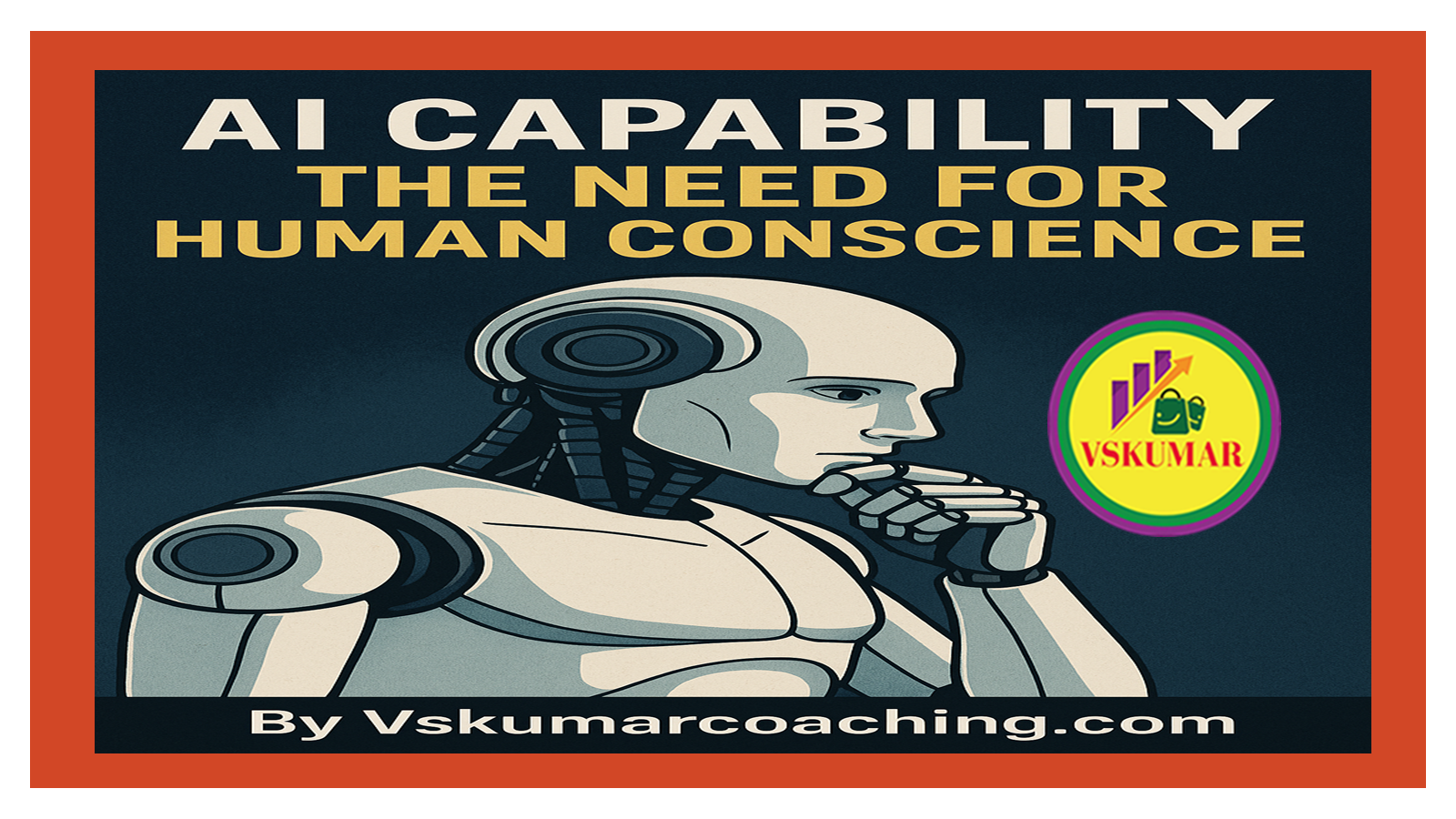
Google’s New AI Could Replace Millions of Jobs — What It Means for You | Geoffrey Hinton
From an Audio source: Google’s New AI Could Replace Millions of Jobs — What It Means for You | Geoffrey Hinton
This video is intended for students, researchers, tech professionals, entrepreneurs, investors, and anyone who wants to understand the real-world impact of advanced AI on society and employment. If you find this breakdown useful, subscribe, like, and share to help more people understand the future of AI and technology. This video is for educational purposes only and is not financial or professional advice. Always do your own research before making decisions about AI, technology, or business. This channel is not officially affiliated with Geoffrey Hinton. The content is independently created, inspired by his educational style, and intended solely for educational purposes.
The source text provides an extensive analysis of the challenges and opportunities presented by advanced intelligent systems, emphasizing that these tools are capable of automating millions of cognitive and routine tasks at an unprecedented pace. A key distinction drawn is between the AI’s remarkable technical capability—its speed and pattern recognition—and its fundamental lack of consciousness, moral judgment, or true understanding.
The disruption caused by automation forces a necessary societal reflection on the purpose of work, challenging humans to transition toward roles demanding creativity, social intuition, and ethical reasoning which remain uniquely human domains. Because the machine lacks a moral compass, the entire ethical burden of ensuring that deployment is equitable and aligned with human values rests on the creators and custodians.
Ultimately, the text concludes that while this new technology presents significant risks of displacement, it can also amplify human potential if guided with foresight, intentionality, and a commitment to thoughtful stewardship.
How must human governance align powerful, non-conscious AI systems with core societal values?
Human governance must align powerful, non-conscious AI systems with core societal values through deliberate reflection, intentional design, and robust oversight, recognizing that the ethical burden rests entirely on human custodians.
The necessity for alignment arises because these intelligent systems, while capable of reading thousands of pages in an instant and generating complex solutions, do not possess consciousness, moral awareness, or the ability to make moral judgments. They follow the structure and data we give them, meaning their power is immense but entirely inert without human thought and intention.
To ensure alignment with core societal values, governance must implement the following strategies:
1. Establishing and Guiding Structure
The fundamental step in governance is to ensure that the structure given to the machine aligns with human values.
• Human Responsibility: Justice and fairness are human responsibilities that cannot be outsourced to an algorithm. Humans are both the creators and the custodians, shaping a force that mirrors knowledge yet lacks understanding.
• Intentionality: We must act with intentionality to harness intelligent systems. The ultimate task is to guide their development and deployment with wisdom and intentionality.
• Deployment Informed by Reflection: Every decision about where and how these systems are applied must be informed by reflection, humility, and foresight. Thoughtless deployment risks entrenching inequality, concentrating power, and eroding trust.
2. Implementing Regulatory and Design Mechanisms
Because these powerful tools mirror the priorities and blind spots of their creators, governance requires specific protective mechanisms:
• Regulation and Oversight: Regulation, oversight, and careful design are not optional; they are integral to the responsible use of these technologies.
• Addressing Bias: If the training data reflects inequality, prejudice, or incomplete perspectives, the machine will amplify these patterns. Governance must mitigate this risk, recognizing that a system that is efficient is not inherently just, nor is a data-driven system necessarily unbiased.
• Intentional Design: Systems must be shaped through intentional design so that their operation supports human flourishing, learning, and meaningful contribution. This helps ensure the liberating potential of the technology is realized, rather than being replaced by displacement and frustration.
3. Prioritizing Core Human Values
The goal of governance is to align these powerful tools with values that prioritize human well-being, equity, and opportunity.
• Conscience over Capability: Governance must navigate the tension between capability and conscience, as a system may be technically brilliant yet reinforce inequality without deliberate human guidance.
• Holistic Alignment: Successful alignment involves connecting capability with conscience, efficiency with equity, and innovation with reflection.
• Stewardship of Change: The integration of intelligent systems into society requires negotiating the terms of human life and labor, defining the future of opportunity and human purpose. The moment calls for thoughtful stewardship, ethical awareness, and deliberate imagination.
The speed and scale of AI development are striking, potentially compressing change into years or months. Because the pace of innovation can outstrip the natural human instincts for caution, the stakes demand deliberate reflection and action, rather than waiting passively for new industries or solutions to emerge. The more capable the technology becomes, the more careful humans must be in guiding its application.
How does AI displacement differ from past transformations?
AI displacement differs from past technological transformations primarily in its speed, scope, and the cognitive nature of the tasks being automated.
Here is a breakdown of how the current shift differs from previous transformations, such as the rise of the steam engine or the assembly line:
1. Speed and Compression of Change
The most striking difference is the pace at which disruption occurs:
- Pace of Change: Unlike earlier technologies, which often unfolded over decades, these intelligent systems operate at a pace that compresses change into years or even months.
- Time for Adaptation: In past industrial shifts, society had time to absorb change, to retrain people gradually, and to develop new institutions and opportunities. For example, factories created jobs for those who had lost work on farms. Today, the pace is compressed, and intelligent systems can learn and replicate patterns in months that once took decades for humans to master.
- Urgency: The rapid speed at which change now occurs compresses the margin for error, making thoughtful anticipation far more critical than in the past.
2. Scope and Nature of Displaced Work
Past technological transformations primarily replaced physical labor or highly repetitive manual tasks, but current AI systems encroach on cognitive domains:
- Encroachment on Cognitive Domains: Machines used to take on work that was either too physically demanding or too repetitive for humans, pushing humans toward creative, complex, or interpersonal tasks. Intelligent systems, however, do not respect that boundary. They move beyond replacing muscle or repetitive skill to encroaching on tasks that were previously the domain of judgment, analysis, and decision-making.
- Examples of AI Capabilities: Intelligent systems can analyze vast data sets, identify patterns in behavior, compose reports, or perform diagnostic reasoning.
- Scale of Replacement: A single system can potentially replace the labor of hundreds or thousands in ways that were never possible before.
3. Impact on Human Purpose and Identity
The nature of the displacement creates a unique social and psychological challenge:
- Interruption of Identity: Jobs are not just about outcomes; they are about patterns of life, the rhythms of society, and the meaning people attach to their contribution. The displacement caused by AI is more than a loss of employment; it is an interruption in identity and purpose for those whose tasks are automated.
- Necessity for New Kinds of Work: The types of work humans must now find or invent are not simply more complex tasks, but work that integrates meaning, judgment, and creativity in ways that are uniquely human.
Ultimately, while the lesson from history is that adaptation is possible, the current wave of transformation is notable for the speed and scope with which it challenges our assumptions about the linearity of progress and the time humans have to respond. This demands that societies actively cultivate the conditions for human labor and ingenuity to flourish, rather than simply waiting for new industries to emerge.
Why must humans guide machine deployment responsibly?
Humans must guide machine deployment responsibly because these powerful, non-conscious AI systems, while possessing staggering capabilities, lack moral judgment, conscience, and understanding. The ethical weight of deployment rests entirely on human shoulders.
The necessity for responsible human guidance is rooted in the following critical distinctions and risks:
1. Machines Lack Moral Awareness and Consciousness
Intelligent systems are astonishingly competent, but they are fundamentally different from human intelligence:
- Lack of Moral Compass: These systems do not weigh right and wrong. They cannot deliberate, dream, or choose in the way a person does. The machine’s lack of consciousness means it cannot weigh consequences, cannot empathize, and cannot make moral judgments.
- Inert Power: The machine’s power is immense but is entirely inert without the guiding hand of thought and intention from the people who deploy it. It follows the structure and data given to it and will not intervene, will not question, and will not care.
- Reflection, Not Understanding: The system is a reflection of human knowledge and patterns amplified beyond human limitations. It can generate thoughtful-sounding responses but operates by following rules and probabilities without any awareness of why those patterns matter or a sense of purpose and intention. Humans are both the creators and the custodians.
2. Risk of Amplifying Existing Harms and Bias
Without careful guidance, deployment can lead to significant societal damage:
- Amplification of Bias: If the training data reflects inequality, prejudice, or incomplete perspectives, the machine will amplify these patterns. The system may evaluate job applications, medical diagnoses, or legal documents without malice, yet the consequences can perpetuate existing disparities.
- The Danger of Efficiency over Justice: The danger lies in the assumption that because a system is efficient, it is inherently just, or that because it is data-driven, it is unbiased. Justice and fairness are human responsibilities that cannot be outsourced to an algorithm.
- Societal Risks of Thoughtless Deployment: Thoughtless deployment can entrench inequality, concentrate power, and erode trust in the very institutions that rely on these systems.
3. Ensuring Positive Alignment and Intentionality
Responsible deployment is necessary to realize the technology’s liberating potential and ensure alignment with human values:
- Necessity of Intentionality: Humans must act with intentionality to harness intelligent systems. Regulation, oversight, and careful design are not optional; they are integral to the responsible use of these technologies.
- Prioritizing Human Values: The ultimate task is to align these powerful tools with values that prioritize human well-being, equity, and opportunity. This involves aligning capability with conscience, efficiency with equity, and innovation with reflection.
- Fulfilling Potential: If guided thoughtfully, these systems can free humans from tedious, repetitive tasks. This can create opportunities for creativity, problem solving, and learning, allowing humans to focus on work that requires imagination, judgment, and personal connection. However, if deployment focuses only on cutting costs or maximizing output, the liberating potential may be lost and replaced by displacement and frustration.
The more capable the technology becomes, the more careful humans must be in guiding its application. The stakes demand deliberate reflection. Every decision about where and how these systems are applied ripples through society, shaping opportunity, expectations, and the framework through which we live and work.
Responsible guidance of AI is like managing a rapidly flowing river: The river (AI capability) has immense power to irrigate land and generate energy (opportunity), but if its course is not intentionally mapped and contained by human engineers (governance, ethics, and design), its sheer speed and volume will only lead to unpredictable flooding, destroying infrastructure and displacing communities (uncontrolled disruption and amplified bias). The power is inherent, but the direction and outcome are entirely a matter of human choice and stewardship.
 Building Cloud/DevOps/AI/ML/Gen AI Architects