
As organizations generate and rely on increasingly large volumes of data, the role of an Azure Data Engineer Associate has become essential for designing, building, and maintaining scalable data solutions on Microsoft Azure. Earning the Microsoft Certified: Azure Data Engineer Associate credential validates one’s ability to integrate, transform, and consolidate data from diverse sources into structures ready for analysis and reporting. In this comprehensive article, we explore in depth the key activities that Azure Data Engineer Associates perform, how they implement best practices, and why these tasks matter for modern data-driven enterprises.

For our Cloud/DevOps/AI/ML/ Ge AI digital job tasks Courses, visit URL:
https://kqegdo.courses.store/
Designing and Implementing Data Storage Solutions
One of the foundational activities for an Azure Data Engineer Associate is to architect data storage solutions that meet performance, scalability, and cost requirements. This involves:
- Selecting Appropriate Storage Services
Azure offers multiple storage options—Azure Data Lake Storage Gen2, Azure Blob Storage, Azure SQL Database, Azure Synapse Analytics dedicated SQL pools, and Azure Cosmos DB. An Azure Data Engineer Associate evaluates factors such as data volume, query patterns, latency requirements, and data types (structured, unstructured, or semi-structured) to choose the optimal service.(Microsoft Learn: DP-203) - Implementing Partitioning Strategies
Partitioning improves query performance and manageability by dividing large datasets into smaller, more manageable segments. For file-based storage in Data Lake Storage Gen2, engineers implement folder hierarchies based on attributes such as date, region, or source system. In Synapse Analytics dedicated SQL pools, they define partition schemes on date or integer columns to ensure that maintenance operations like partition switching and archiving can occur efficiently.(Microsoft Learn: DP-203) - Designing Data Models and Schemas
An effective data model aligns with business requirements, supports analytical workloads, and promotes consistency. Azure Data Engineer Associates design star or snowflake schemas for data warehouses and leverage normalized schemas or NoSQL patterns for operational stores. They also define appropriate data types, column lengths, and indexing strategies to optimize storage and retrieval. - Implementing Data Storage Security
Ensuring data is protected at rest and in transit is critical. Engineers configure encryption using Azure Storage Service Encryption or Transparent Data Encryption in SQL databases. They also implement Azure Role-Based Access Control (RBAC), managed identities, shared access signatures, and network security features such as virtual network service endpoints and private links to restrict unauthorized access.(Microsoft Learn: DP-203) - Defining Retention and Archival Policies
Data lifecycle management involves implementing policies to move older or less-frequently accessed data to lower-cost tiers or archive it in long-term storage. Azure Data Engineer Associates configure Azure Blob Storage lifecycle management rules or automate archival workflows using Azure Data Factory to balance cost and compliance needs.
Ingesting and Transforming Data
A primary activity for Azure Data Engineer Associates is building robust data ingestion and transformation pipelines that efficiently move data from diverse sources into target stores:
- Data Ingestion Patterns
Engineers use Azure Data Factory (ADF) or Synapse Pipelines to orchestrate data movement. They connect to on-premises databases via the self-hosted integration runtime, ingest data from SaaS sources using REST APIs, and stream data in near real time using Azure Event Hubs or Azure IoT Hub.(Microsoft Learn: DP-203) - Implementing Incremental and Full Loads
To optimize performance and reduce resource usage, Azure Data Engineer Associates distinguish between full refresh and incremental loads. They implement watermark-based patterns, change data capture (CDC), or timestamp columns to only move new or changed records since the last run. - Data Cleansing and Standardization
Raw data often contains duplicates, nulls, or inconsistent formats. Engineers implement transformations in ADF mapping data flows or use Azure Databricks notebooks to cleanse, deduplicate, and standardize data. They handle missing values by applying default values or deriving values from existing fields and enforce schema mappings for consistency. - JSON Shredding and Complex Type Handling
Many modern applications generate semi-structured JSON data. Azure Data Engineer Associates parse JSON payloads using ADF mapping data flows or Spark code in Databricks to extract nested fields into relational tables or Parquet structures for efficient querying. - Encoding and Decoding
For specialized formats such as base64, CSV, Avro, or Parquet, engineers configure proper readers and writers. They ensure that data is encoded and compressed appropriately to optimize storage usage and query performance, often choosing Parquet for analytics workloads due to its columnar storage.(Microsoft Fabric Data Engineer) - Error Handling and Retry Logic
Robust data pipelines must handle transient failures and data quality issues gracefully. Engineers configure retry policies, alert on failed activities, and implement dead-lettering to capture and analyze problematic records without halting entire workflows.
Developing Batch Processing Solutions
Batch data processing remains a core activity for large-scale data engineering:
- Designing Batch Pipelines
Azure Data Engineer Associates orchestrate batch workflows using ADF pipelines or Synapse Pipelines. They sequence activities such as data copy, transformation, and control flow constructs (If Conditions, ForEach loops) to handle complex dependencies. - Integrating Azure Databricks and Spark
For high-performance transformations on large datasets, engineers use Azure Databricks or Spark pools in Synapse Analytics. They write PySpark or Scala code to process data in parallel across multiple worker nodes, leveraging Spark’s optimization engine and caching capabilities. - PolyBase and External Tables
In Synapse Analytics dedicated SQL pools, engineers use PolyBase to load and query data stored in Azure Data Lake Storage gen2. They create external tables over Parquet or CSV files and use CTAS (CREATE TABLE AS SELECT) statements to import data into optimized internal tables. - Partition Switching and Data Archival
To manage time-series fact tables, Azure Data Engineer Associates implement table partitioning by month or quarter. At regular intervals, they use partition switching to move stale partitions to staging tables and subsequently drop or archive them to maintain performance.(ExamTopics: DP-203) - Batch Size and Resource Tuning
Engineers optimize batch performance by tuning compute resources, selecting appropriate cluster sizes in Databricks or scale-out SQL pool DWUs, and adjusting parallel copy settings or batch sizes in data flows. - Testing and Validation
Quality assurance of batch pipelines involves creating unit and integration tests. Engineers validate row counts, checksum values, or data completeness post-execution, and automate testing tasks in CI/CD pipelines using Azure DevOps.
Developing Stream Processing Solutions
Real-time or near-real-time data processing is increasingly important for scenarios such as fraud detection, IoT telemetry, and live dashboards:
- Azure Stream Analytics Jobs
Azure Data Engineer Associates configure Stream Analytics jobs that consume data from Azure Event Hubs or IoT Hub, apply windowed aggregations, and output results to Azure SQL Database, Cosmos DB, or Power BI. They define tumbling, sliding, or hopping windows for event-time processing and implement exactly-once semantics. - Spark Structured Streaming
For advanced streaming scenarios, engineers use Spark Structured Streaming in Databricks to process data at scale. They write streaming queries that continuously ingest from Event Hubs, apply transformations, and write to Delta Lake tables, leveraging checkpointing and watermarking to manage state and late-arrival events. - Schema Drift Handling
Stream sources can evolve over time, causing schema drift. Azure Data Engineer Associates implement schema inference and dynamic field mapping in Stream Analytics or Databricks to accommodate new fields without pipeline failures. - High Availability and Scalability
Engineers design streaming solutions for resilience by scaling out Stream Analytics units or Spark executors, configuring retry policies, and deploying geo-redundant setups for critical workloads. - Testing and Monitoring
They validate streaming jobs using synthetic test data, test end-to-end latency, and monitor metrics in Azure Monitor or Synapse Studio. Alerts are configured to trigger on performance degradation or job failures.
Securing, Monitoring, and Optimizing Data Solutions
Ensuring data solutions are secure, performant, and cost-effective is a continuous activity:
- Implementing Security Controls
Beyond storage encryption and network security, Azure Data Engineer Associates enforce column-level and row-level security in SQL databases and Synapse SQL pools. They integrate with Azure Key Vault for secrets management and configure Private Link endpoints for secure service connectivity. - Data Lineage and Governance
Engineers push metadata and lineage information to Microsoft Purview to enable data discovery, impact analysis, and compliance reporting. They tag assets, document schemas, and maintain catalogs for data consumers.(Microsoft Learn: DP-203) - Performance Monitoring
Using Azure Monitor, Log Analytics, and Synapse Studio’s monitoring dashboards, engineers track pipeline durations, query performance, and resource utilization. They set up alerts on metrics such as CPU, Data Factory activity failures, and job throughput. - Cost Optimization
To manage Azure spending, engineers implement cost controls by selecting appropriate compute tiers, scheduling development clusters to auto-pause, and using serverless SQL pools for sporadic queries. They also archive or delete unused data to reduce storage costs. - Indexing and Statistics Management
In dedicated SQL pools or Azure SQL Database, they maintain indexes and update statistics to ensure efficient query plans. They also leverage materialized views and result-set caching for repeated queries. - Resource Autoscaling
For variable workloads, Azure Data Factory pipelines use triggers and event-driven executions. Synapse Spark pools and Databricks clusters are configured to autoscale based on queued tasks, ensuring responsiveness without over-provisioning.
Managing Data Environments and Collaboration
Azure Data Engineer Associates not only build pipelines but also manage environments and collaborate effectively:
- Environment Promotion
Engineers use Infrastructure as Code (IaC) with ARM templates, Terraform, or Bicep to provision consistent development, test, and production environments. Data Factory pipelines and Synapse artifacts are deployed through Azure DevOps or GitHub Actions. - Source Control and CI/CD
They integrate Azure Data Factory and Synapse workspaces with Git repositories to version control notebooks, pipelines, datasets, and SQL scripts. Automated CI/CD pipelines validate changes, run integration tests, and promote artifacts to higher environments. - Collaboration with Stakeholders
Effective communication with data scientists, analysts, and business stakeholders ensures that data solutions meet requirements. Engineers gather specifications, provide data samples, and deliver documentation and training. - Support Data Consumers
After deploying pipelines and data stores, they assist data analysts and BI developers by creating semantic models in Power BI or Synapse Serverless SQL pools and providing guidance on query best practices.
Continuous Improvement and Professional Growth
Given the rapid evolution of Azure services and data engineering techniques, Azure Data Engineer Associates engage in continuous learning:
- Staying Current with Azure Updates
They monitor Azure’s release notes, attend webinars, and participate in Microsoft Learn modules and challenges. They experiment with preview features such as Synapse Link or Fabric’s operational SQL databases. - Participating in Community and Conferences
By engaging in the Microsoft Fabric Community Conference (FabCon), user groups, and online forums, engineers exchange best practices, learn from peers, and contribute feedback to product teams. - Earning Advanced Certifications
After achieving the Azure Data Engineer Associate certification, professionals pursue advanced credentials such as Microsoft Certified: Azure Solutions Architect Expert or Microsoft Certified: Fabric Data Engineer Associate to deepen their expertise.(Microsoft Fabric Data Engineer) - Experimentation and Proofs of Concept
They prototype new data architectures, such as lakehouse patterns in Microsoft Fabric, or evaluate emerging technologies like serverless SQL databases in Fabric to determine their applicability to enterprise scenarios.
Conclusion
The activities of an Azure Data Engineer Associate encompass the full lifecycle of data solutions: from designing secure, scalable storage architectures to developing robust batch and streaming pipelines; from ensuring data quality and governance to monitoring performance and optimizing cost; and from managing collaborative development environments to pursuing continuous professional growth. By mastering these activities, Azure Data Engineer Associates play a pivotal role in enabling organizations to harness the power of data for actionable insights and competitive advantage. Their expertise in Azure services, data processing patterns, and best practices positions them as vital contributors in today’s data-driven world.
Okay, here are six short stories about the activities of an Azure Data Engineer Associate and interview scenes, designed to be engaging and informative, and I’ll include image prompts for each one.
Story 1: The Pipeline Problem
Ava, an Azure Data Engineer Associate, stared at the failing data pipeline. Red error messages filled her screen. “Damn,” she muttered, “not again.” The pipeline, responsible for ingesting customer sales data into Azure Data Lake Storage, had been intermittently failing all week. She suspected a change in the source system was the culprit.
Ava dove into the Azure Data Factory logs, tracing the data flow step-by-step. She pinpointed the issue: a new field in the source data was causing a schema mismatch in the data transformation activity. With a sigh of relief, she quickly adjusted the data flow to accommodate the new field, redeployed the pipeline, and watched as the errors disappeared. “Another fire put out,” she thought, grabbing a much-needed coffee.

Story 2: The Cost Optimization Challenge
Mark, another Azure Data Engineer Associate, was tasked with reducing the costs associated with their Azure Synapse Analytics data warehouse. The CFO had been asking pointed questions about their monthly Azure bill. Mark knew he needed to find areas for optimization.
He started by analyzing resource utilization. He discovered that several Synapse SQL pools were significantly underutilized during off-peak hours. He implemented a scaling policy to automatically pause the SQL pools when not in use and resume them when demand increased. He also identified several outdated datasets that were consuming valuable storage space in Azure Data Lake Storage. After archiving these datasets to a cheaper storage tier, Mark presented his findings to the team. “We’ve managed to cut our monthly Azure bill by 15%,” he announced proudly.
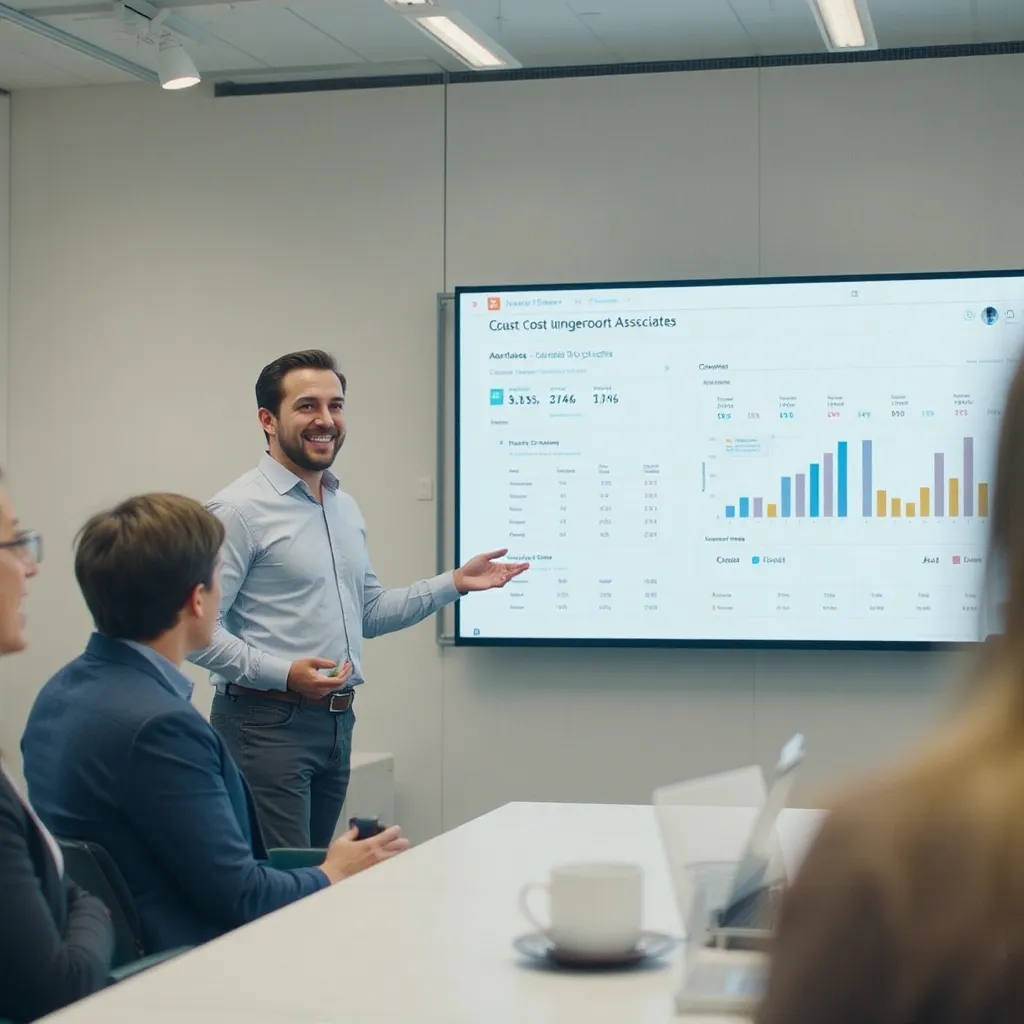
Story 3: The Interview – Technical Deep Dive
“So, tell me about your experience with Azure Databricks,” the interviewer, a senior data engineer named Sarah, asked. Emily, a candidate for an Azure Data Engineer Associate role, took a deep breath. This was her chance to shine.
“I’ve used Databricks extensively for data processing and machine learning tasks,” Emily replied. “In my previous role, I built a Databricks notebook to process clickstream data from our website. I used Spark SQL to perform aggregations and transformations, and then I used the data to train a recommendation model. I also integrated Databricks with Azure Data Lake Storage for data storage and retrieval.” Sarah nodded, impressed. “Can you describe the challenges you faced and how you overcame them?” she probed. Emily described a particularly tricky issue with data skew and how she resolved it using partitioning and bucketing techniques.

Story 4: The Data Governance Dilemma
David, an Azure Data Engineer Associate, was responsible for implementing data governance policies across their Azure data estate. He realized that data quality was inconsistent, and data lineage was poorly documented. He needed to establish a framework for ensuring data trustworthiness.
He started by implementing Azure Purview to catalog and classify their data assets. He then worked with data owners to define data quality rules and implement data validation checks in their data pipelines. He also created a data lineage dashboard to track the flow of data from source to destination. After several months of hard work, David presented the improved data governance framework to the stakeholders. “We now have a single source of truth for our data, and we can be confident in its accuracy and reliability,” he declared.

Story 5: The Real-Time Analytics Project
Maria, an Azure Data Engineer Associate, was assigned to a new project involving real-time analytics. The goal was to ingest and analyze sensor data from IoT devices in near real-time to optimize manufacturing processes.
Maria chose Azure Event Hubs for data ingestion, Azure Stream Analytics for data processing, and Azure Synapse Analytics for data storage and analysis. She configured Stream Analytics to perform real-time aggregations and anomaly detection on the sensor data. She then used Power BI to visualize the results and provide real-time insights to the manufacturing team. The project was a huge success, enabling the company to proactively identify and address potential issues in the manufacturing process.

Story 6: The Interview – Behavioral Questions
“Tell me about a time you faced a challenging technical problem and how you approached it,” the interviewer, a hiring manager named John, asked. Michael, a candidate for an Azure Data Engineer Associate role, paused to collect his thoughts.
“In my previous role, we had a critical data pipeline that was experiencing intermittent failures,” Michael began. “The failures were difficult to diagnose because they were happening randomly and the error messages were not very informative. I started by gathering as much information as possible about the failures, including the error logs, the system metrics, and the recent changes that had been made to the pipeline. I then systematically tested different hypotheses until I identified the root cause: a race condition in the data transformation logic. I implemented a locking mechanism to prevent the race condition and the pipeline became stable.” John nodded approvingly. “That’s a great example of problem-solving and perseverance,” he said.

Story 7: The Data Migration ProjectOmar, an Azure Data Engineer Associate, was tasked with migrating a large on-premises SQL Server database to Azure SQL Database. The migration needed to be performed with minimal downtime and data loss.
Omar used the Azure Database Migration Service (DMS) to perform the migration. He carefully planned the migration process, performing a test migration first to identify and address any potential issues. He also implemented data validation checks to ensure that the data was migrated correctly. After the migration was complete, Omar worked with the application teams to update their connection strings and verify that the applications were working as expected. The migration was a success, and the company was able to retire its on-premises SQL Server infrastructure.
Story 8: The Data Lake Security Implementation
Priya, an Azure Data Engineer Associate, was responsible for implementing security policies for their Azure Data Lake Storage Gen2 account. They needed to ensure that sensitive data was protected from unauthorized access.
Priya implemented Azure Active Directory (Azure AD) authentication and authorization for the data lake. She assigned different roles and permissions to different users and groups, based on their job responsibilities. She also implemented data encryption at rest and in transit. Priya regularly monitored the data lake access logs to detect and investigate any suspicious activity. The security measures implemented by Priya helped to protect the company’s data from unauthorized access and data breaches.
Story 9: The Automation Scripting Task
Kenji, an Azure Data Engineer Associate, needed to automate the deployment of Azure Data Factory pipelines across different environments (development, testing, production). He wanted to avoid manual configuration and ensure consistency.
Kenji used Azure DevOps and PowerShell scripting to create a CI/CD pipeline. He wrote scripts to automatically create and configure Azure Data Factory resources, deploy the pipelines, and run integration tests. He integrated the CI/CD pipeline with their source control system, so that any changes to the pipeline code would automatically trigger a new deployment. The automation scripts saved Kenji a significant amount of time and effort, and they also reduced the risk of human error.
 Building Cloud/DevOps/AI/ML/Gen AI Architects